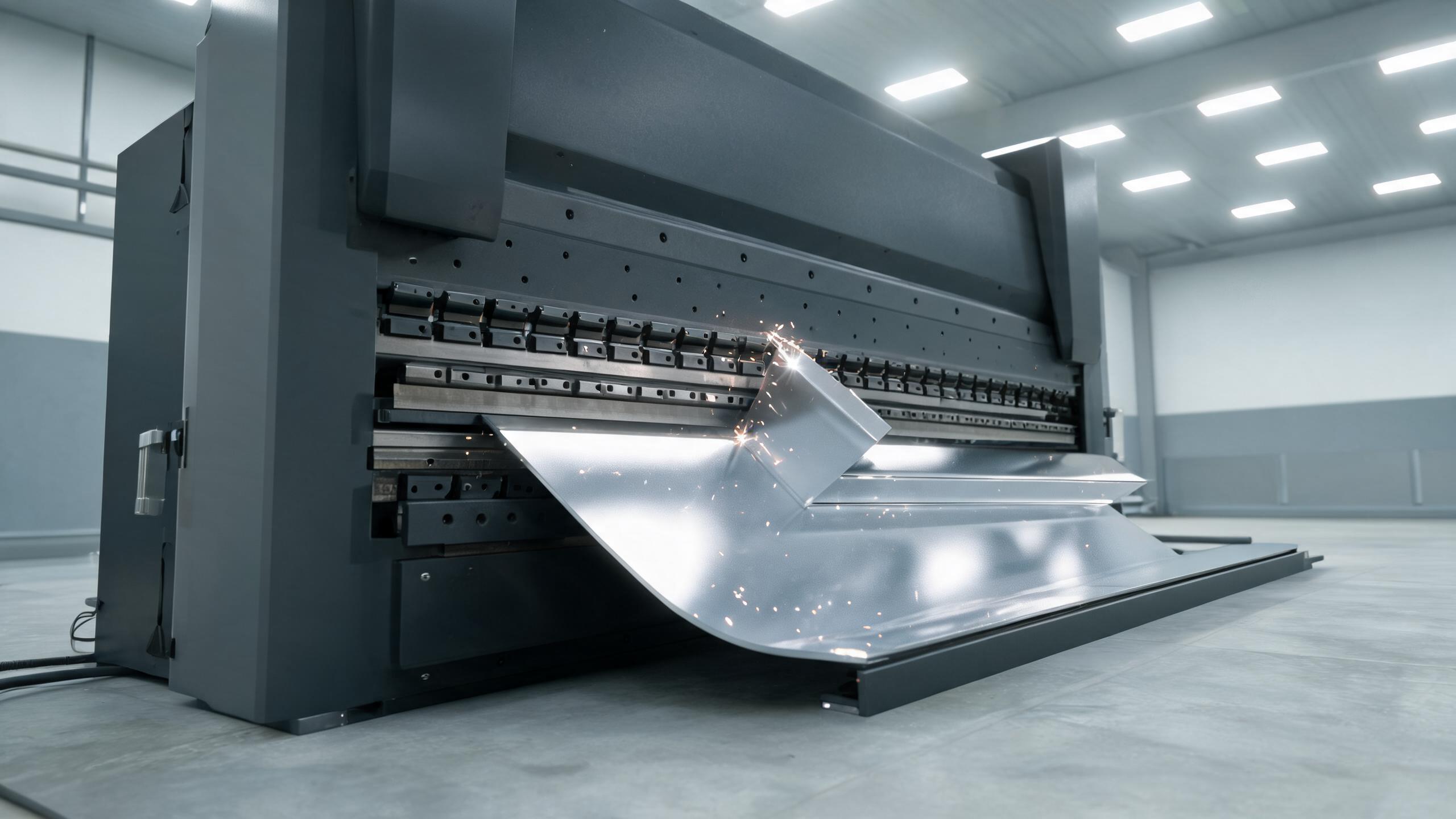
Custom Sheet Metal Bending Services
Custom sheet metal bending services for precision formed components. Press brake forming for brackets, enclosures, chassis panels and structural parts. IATF 16949 certified facility serving global machinery buyers.
Send RFQ FileProduct Detail
Custom Sheet Metal Bending Services for Precision Formed Components
Sheet metal bending is where dimensional accuracy is won or lost. A bend angle that drifts 1 degree on a 500 mm flange translates to nearly 9 mm of deviation at the edge - enough to misalign mounting holes, gap enclosure seams, or fail assembly tolerance stacks. When you source bent parts from a supplier that treats bending as an afterthought to cutting and welding, these deviations show up at your incoming inspection, not at the supplier's quote stage.age.
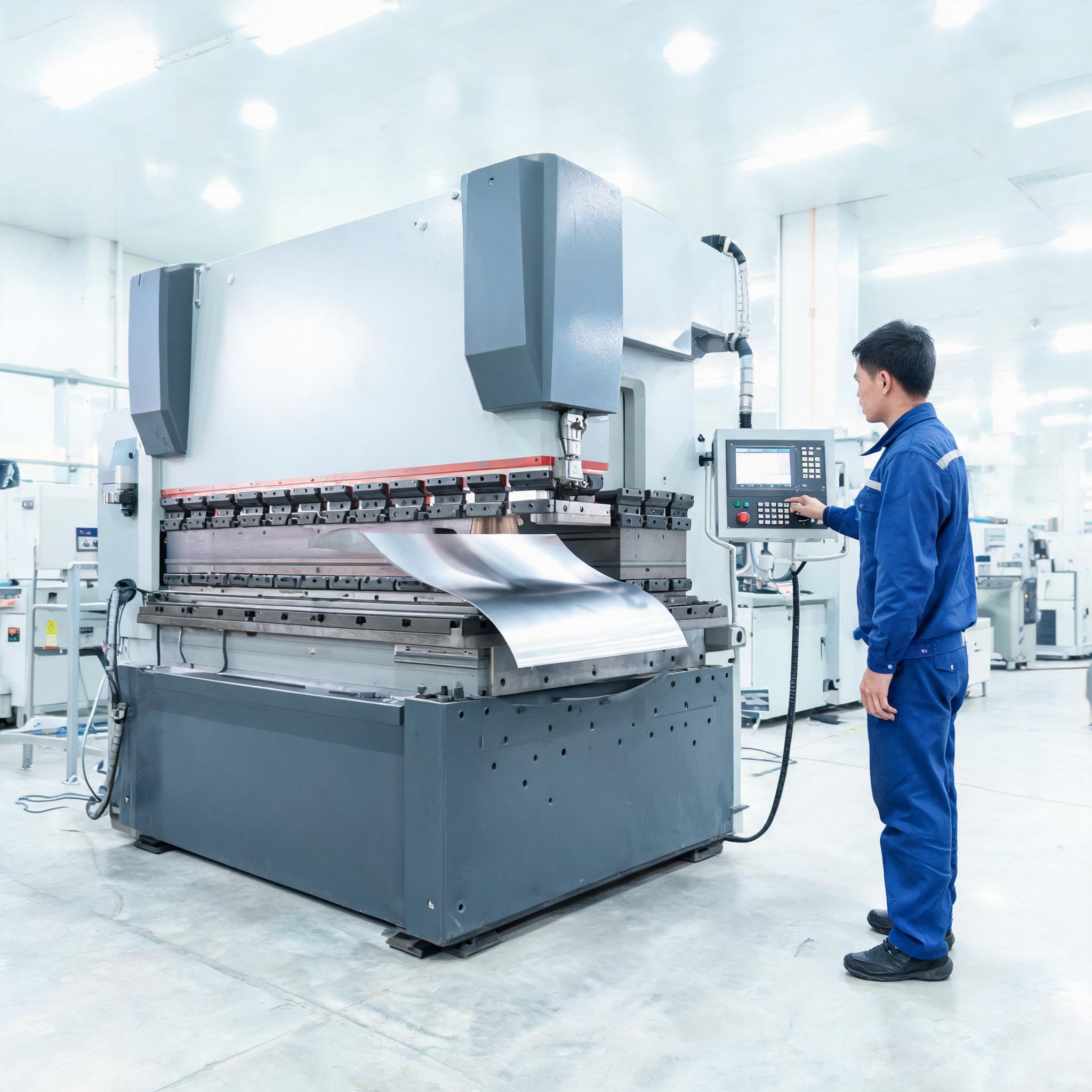
Our sheet metal bending service is built around controlled, repeatable forming. Every project starts with a drawing review: our engineers analyze bend lines, flange lengths, material grain direction, and relief cuts to flag springback risk and recommend tooling selection before quoting. Bent parts are verified against your CAD model with angle measurement tools, and results are documented in inspection records that travel with the shipment.
What We Bend
We form brackets, enclosures, chassis panels, mounting plates, angles, channels, and complex multi-bend assemblies from a range of materials and thicknesses. Common applications include:
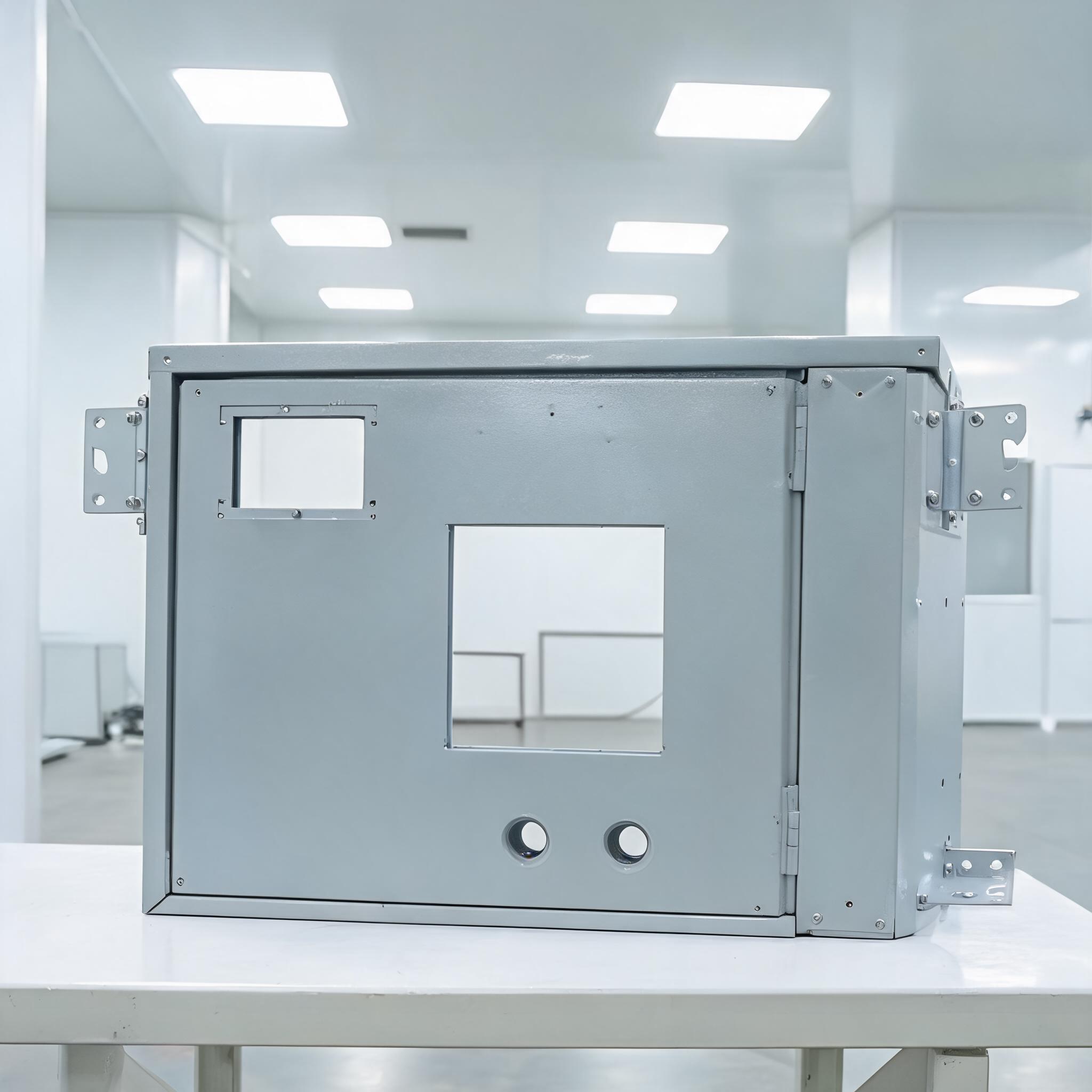
- Electrical enclosures and control cabinets - multi-bend boxes with tight seam gaps and consistent flange widths
- Equipment chassis and frames - structural panels where bend angle accuracy directly affects assembly fit
- Mounting brackets - single and compound bends with hole pattern alignment requirements
- Architectural and decorative panels - where visible surface finish and edge quality matter as much as dimensions
- Custom formed parts - prototypes through production volumes, with design-for-manufacturing feedback during quoting
Materials & Capabilitiesties
| Parameter | Specification |
|---|---|
| Bendable Materials | Cold-rolled steel (CRS), hot-rolled steel (HRS), stainless steel (304/316), aluminum (5052/6061), galvanized steel |
| Material Thickness Range | 0.5 mm – 6 mm (typical); thicker gauges available - confirm with your drawing |
| Bend Angles | 0°–90° standard; up to 135° depending on tooling and material |
| Minimum Internal Bend Radius | 1.0 × material thickness (standard); tighter radii subject to material and tooling review |
| Maximum Flange Length | Up to 3,000 mm depending on machine capacity and part geometry |
| Angle Tolerance | ±0.5° typical; ±0.25° achievable on critical features with dedicated tooling |
| Dimensional Tolerance | ±0.1 mm on bend-to-edge and bend-to-hole dimensions |
Specific capacity depends on your part geometry, material, and thickness. Submit your drawing for a detailed manufacturability review and tooling assessment.
How We Control Bend Quality
Springback, bend deduction, and tooling marks are the three variables that separate a good bent part from a reject. Our approach addresses each:
- Springback compensation - Material grade, thickness, grain direction, and bend radius all affect how much a part springs back after forming. We calculate expected springback per material lot and adjust overbend accordingly, rather than relying on trial-and-error on the shop floor.
- Bend deduction calculation - Flat pattern blank size is computed from material-specific bend deduction tables, ensuring that post-bend hole patterns and overall dimensions land within tolerance without secondary rework.
- Tooling selection - Die opening width, punch nose radius, and tooling profile are matched to material thickness and bend length. Using an oversized die opening for a thin gauge part produces inconsistent angles; we size tooling to the job.
- Surface protection - For pre-coated, painted, or brushed materials, we use protective films and appropriate tooling inserts to minimize marking and scratching during forming.
Integrated Fabrication Under One Roof
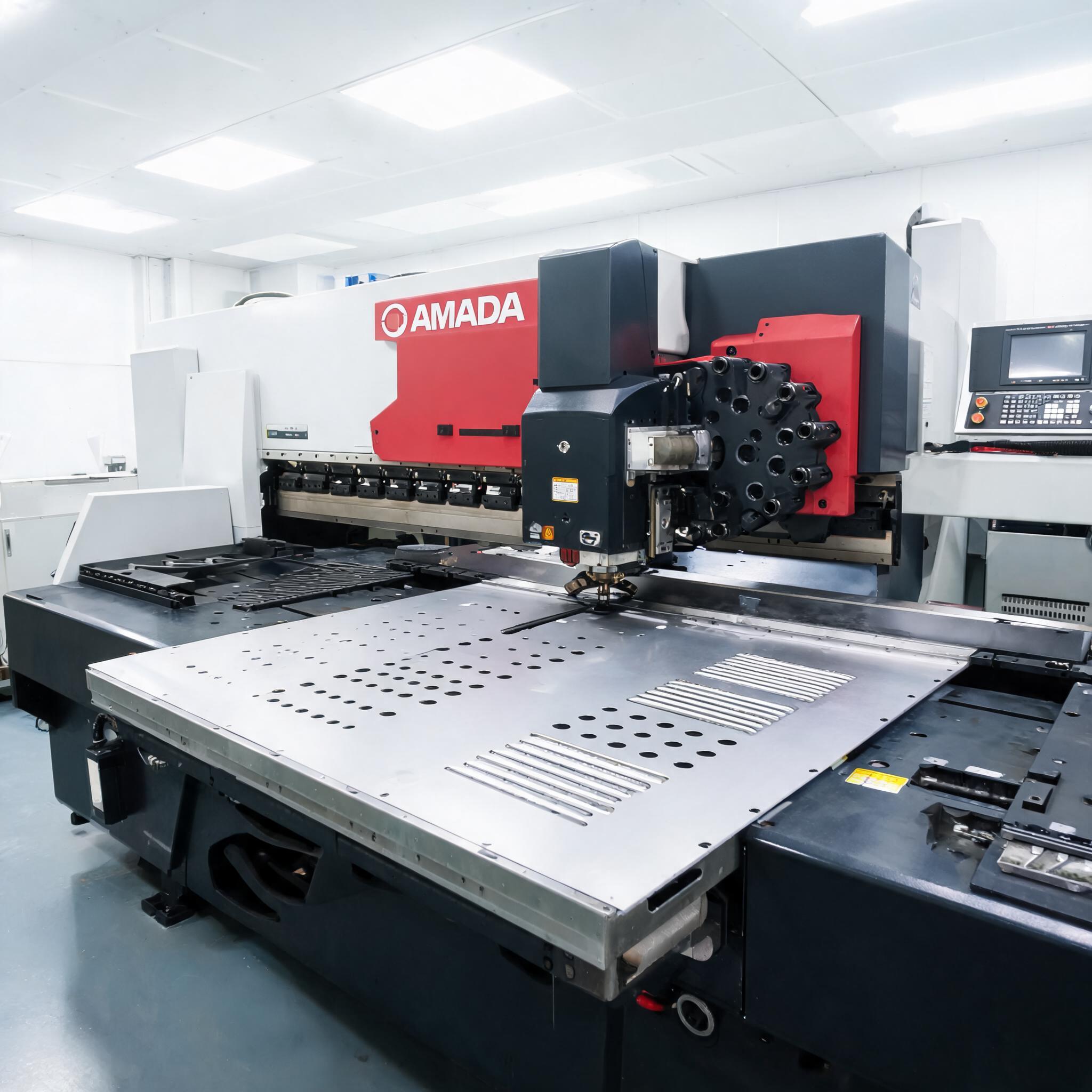
Bending rarely happens in isolation. Most bent parts require cut blanks first, and many need holes, cutouts, or welding after forming. Because we operate laser cutting, CNC punching, bending, and welding in the same facility, we manage the entire process sequence without handing your parts between subcontractors. This means:
- Flat blanks are cut to the correct bend deduction dimensions in-house, with tolerance stack-up controlled across operations
- Hole patterns and cutouts are positioned before bending, with bend relief slots added where needed to prevent tearing
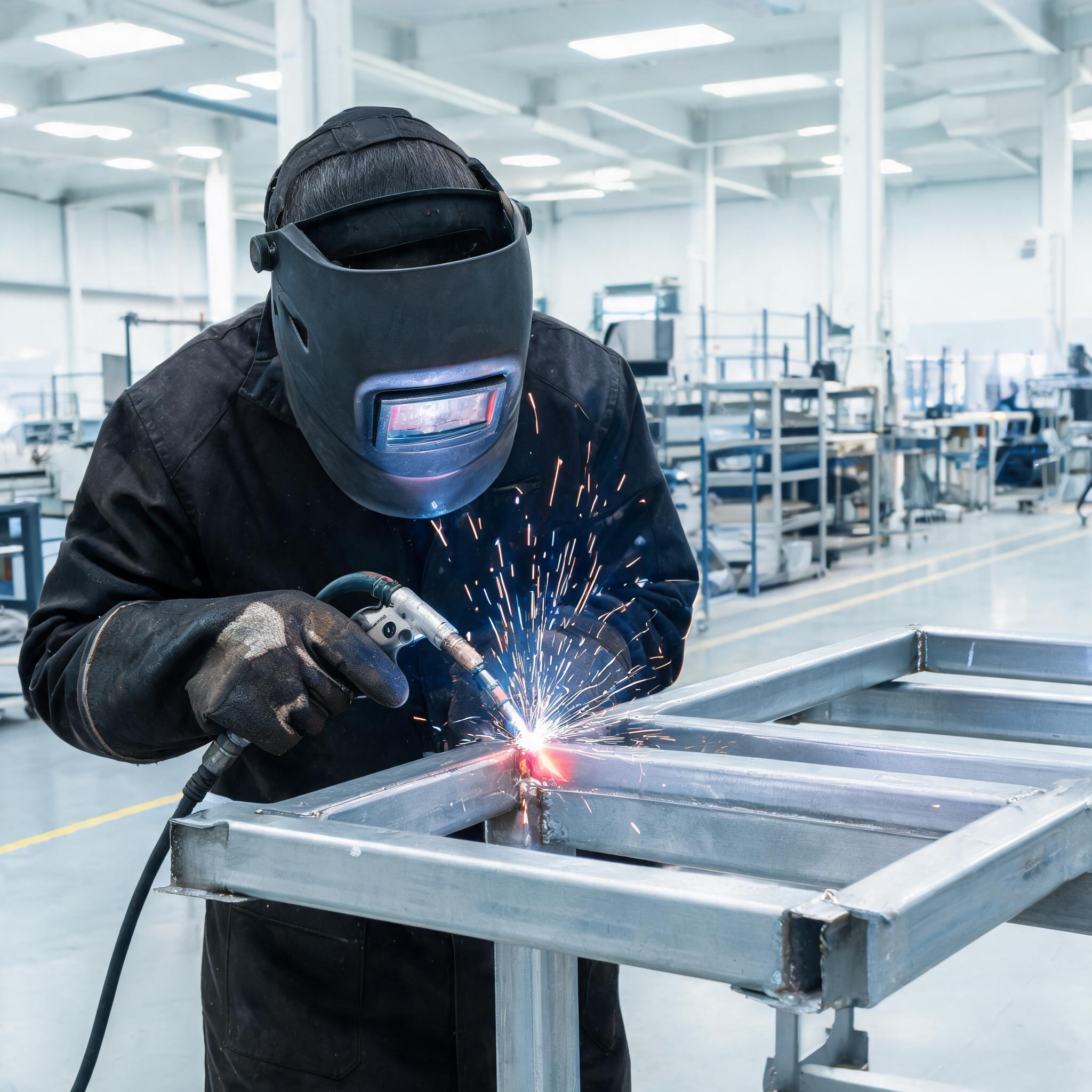
- Post-bend welding, hardware insertion, and surface finishing are coordinated to avoid distortion from secondary operations
- One quality record set covers the entire process chain - from raw material traceability through final bend inspection
Quality Documentation
Our facility holds IATF 16949:2016 certification, and our export workflow follows a structured pre-production process for every project:
- Drawing review and tolerance risk assessment before quoting
- Sample gate approval for first article inspection
- In-process angle and dimension verification during bending
- QC photo packs documenting bend angles, surface condition, and stack count before shipment
- Shipment checklist with inspection records attached
Procurement FAQ
Q: What information do you need to quote a bending project?
A: Send your 2D drawing or 3D CAD model with material specification, thickness, required quantities, and any surface finish requirements. We will review bend feasibility, flag potential issues, and return a quote with manufacturability notes.
Q: Can you bend materials thicker than 6 mm?
A: Thicker materials may be formable depending on the bend length and angle. Submit your drawing and we will confirm tooling capacity and provide a manufacturability assessment.
Q: How do you handle springback for different materials?
A: We calculate expected springback based on material grade, thickness, grain direction, and bend radius, then apply overbend compensation. For critical angles, we verify with angle measurement tools and adjust tooling setup as needed.
Q: Do you provide first article inspection (FAI) reports?
A: Yes. First article parts are measured against your CAD model, with bend angles, flange dimensions, and hole positions documented in an inspection report before production runs begin.
Q: Can you bend pre-painted or pre-coated materials?
A: Yes, with appropriate protective films and tooling inserts to minimize surface marking. Please specify the coating type in your drawing so we can select the right tooling setup.
Q: What is the MOQ for bent parts?
A: MOQ depends on material, complexity, and tooling requirements. Contact us with your drawing for a specific MOQ and pricing structure.
Ready to Source Precision Bent Parts?
Send us your drawing and material specifications. Our engineers will review bend feasibility, flag tolerance risks, and return a manufacturability assessment with your quote. To get the most accurate pricing, include material grade, thickness, bend angles, quantities, and any surface finish requirements.
Request a Bending Quote