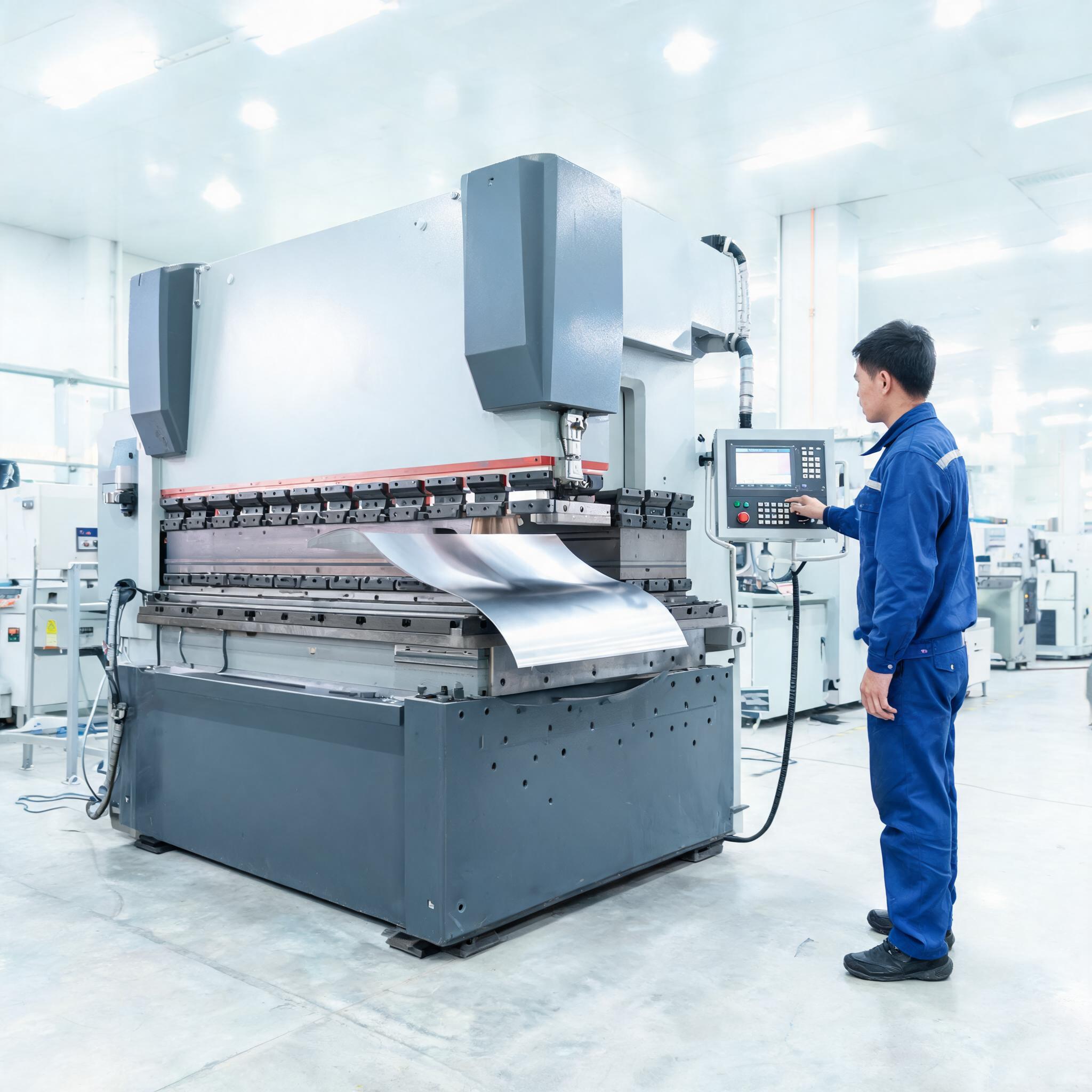
Custom Sheet Metal Bending Services
Precision sheet metal bending and forming services. Press brake bending for brackets, enclosures, and structural components. IATF 16949 certified facility serving global machinery buyers.
Send RFQ FileProduct Detail
Custom Sheet Metal Bending & Forming Services
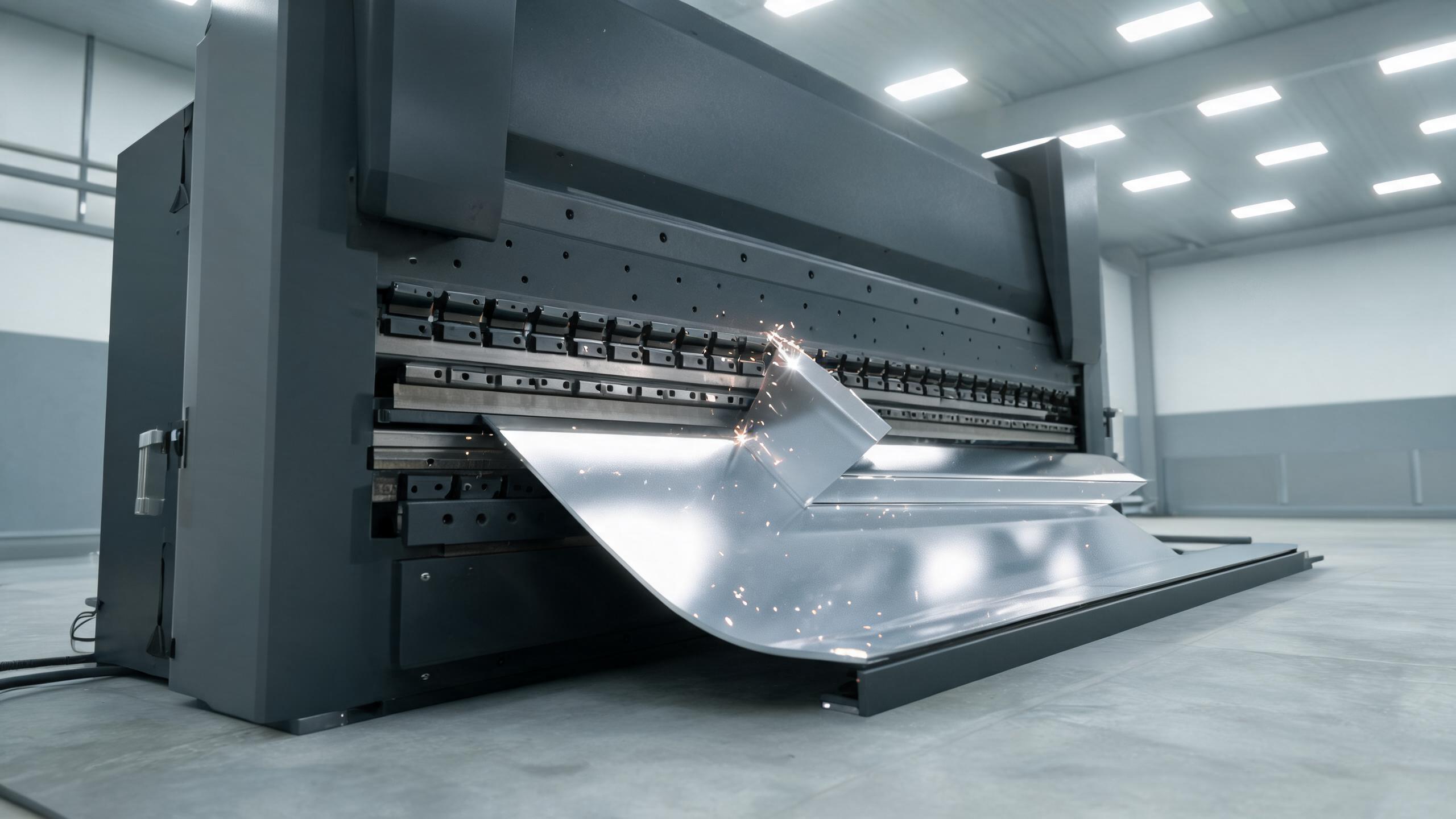
Accurate bending is what transforms a flat blank into a functional part. Whether you need simple L-brackets, multi-bend enclosures or complex structural channels, our press brake bending service delivers consistent angles and dimensions across production batches — because the risks that ruin bent parts are managed before the first bend is made.
The pain point: springback and tolerance stack-up that only show up at assembly
A bent part rarely fails at the first bend. It fails at the third or fourth one — where each small angle deviation, each unaccounted springback and each material thinning at the radius adds up. The bracket checks almost within tolerance on its own, but when your fitter brings it to the enclosure, the mounting holes do not line up, the panel will not close, or the flange interferes with the component it was designed to hold. That is the nature of bending: springback behaves differently for every material, thickness and bend angle, and multi-bend parts accumulate every error along the sequence.
The procurement impact is expensive precisely because the parts look fine: incoming inspection may pass, the defect appears during your assembly or your customer's installation, and by then the fix is rework, re-order and a slipped delivery — for a part that cost far less than the assembly it delayed. If your supplier bends without planning the sequence, tool interference can also force mid-production process changes that change the final geometry.
Our solution: manage bending quality at the drawing stage, not after the first bad batch. Our pre-production drawing review identifies springback risks, bend accessibility and tolerance stack-up before quoting. In setup, springback is compensated based on material data and machine calibration rather than guesswork. For multi-bend parts, the bend sequence is planned to avoid tool interference and keep every bend reachable. And before volume production, a first article is produced and dimensionally checked — with the results documented and shared, so what you approve is what ships.
Capabilities
| Parameter | Specification |
|---|---|
| Process | Press brake bending (air bending, bottom bending) |
| Material range | Mild steel, stainless steel, aluminum |
| Bend angles | Per drawing specification |
| Minimum bend radius | Per material and thickness — reviewed at quoting stage |
| Tooling | Standard and custom press brake tooling |
How we manage bending quality
- Springback compensation: different materials and thicknesses spring back differently. We account for this in setup based on material data and machine calibration, not trial and error on your parts.
- Bend sequence planning: for multi-bend parts, we plan the sequence to avoid tool interference and ensure each bend is accessible — decided in the pre-production review, not discovered mid-run.
- First-article inspection: before volume production, we produce a first article for your approval. Dimensional check results are documented and shared, so the approval is based on measurements, not photos.
- Certified quality system: bending processes are governed by our IATF 16949:2016 certified quality management system.
Customization and what to specify
Bend angles are produced per drawing specification, and standard or custom press brake tooling is available for special profiles. Send your drawing with the material and thickness, and note anything that affects forming: tight inside radii, critical hole-to-bend distances, or pre-coated material. Pre-painted or coated material requires special tooling to avoid surface damage — tell us the material condition at quoting stage so it is planned instead of improvised. Minimum bend radius depends on material and thickness and is reviewed at quoting; if a requested radius is not formable, we will tell you what is achievable before you commit.
Typical applications
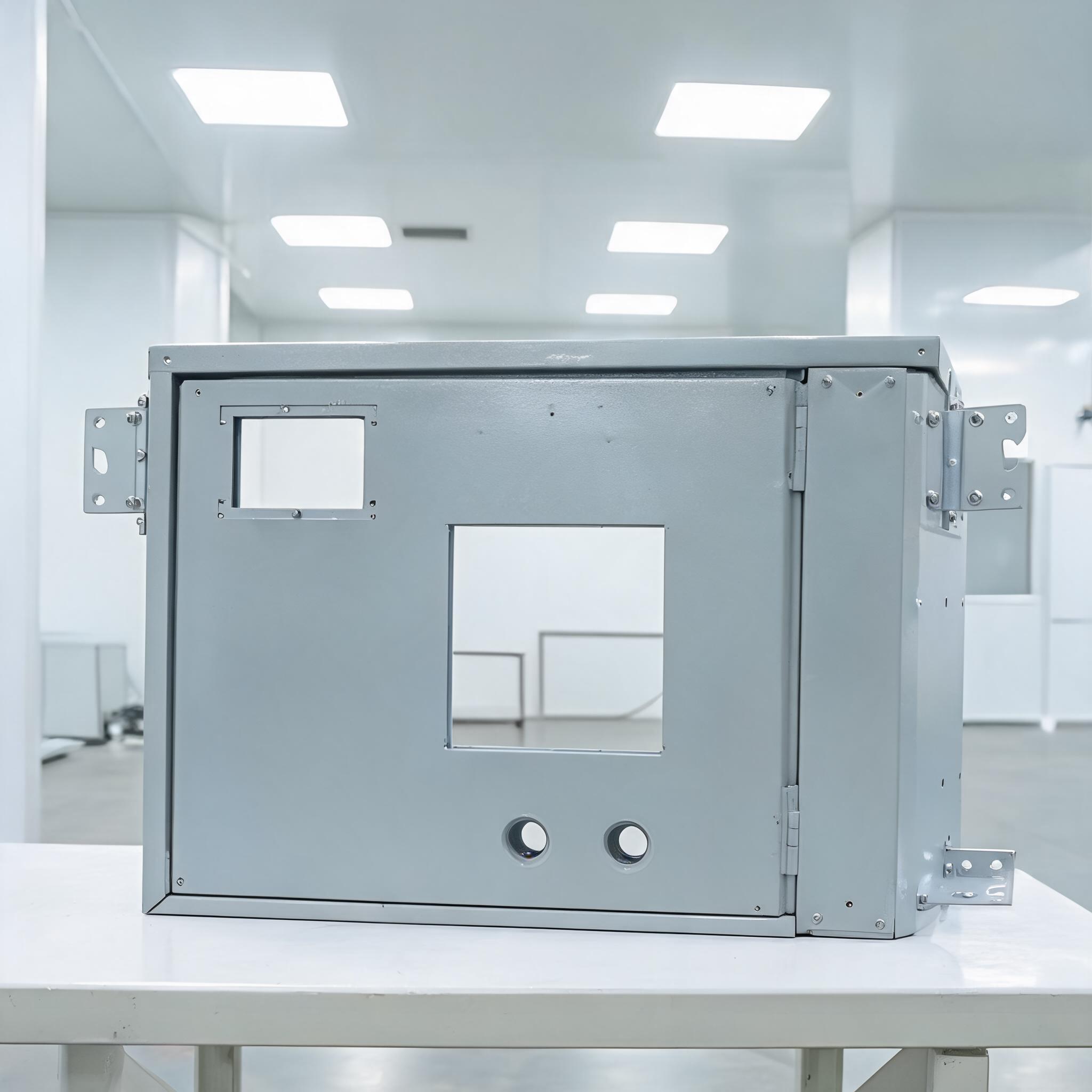
- Equipment enclosures and housings with multiple bends that must close and align.
- Mounting brackets and support frames where hole-to-bend position drives assembly.
- Chassis panels and structural channels carrying cumulative tolerances across several bends.
- Door frames, access covers and custom angles and profiles.
Frequently asked questions
How do you handle springback for different materials?
Springback varies by material type, thickness and bend angle. We compensate based on material properties and machine calibration, and critical dimensions are verified on the first article before the volume run.
What is the maximum bend length you can handle?
Bend length capacity depends on the press brake model and the part thickness. Send your drawing and we will confirm capability at quoting — we do not leave this question unanswered until production.
Can you bend pre-painted or coated material?
Yes, but coated materials require special tooling to avoid surface damage. Let us know the material condition at quoting stage so tooling and process are planned accordingly.
Will I see measurements before volume production?
Yes. A first article is produced and dimensionally checked before volume production, and the results are documented and shared with you for approval.
What should I send for a quotation?
Send your drawings with material specifications and required bend angles. We will review bend feasibility, tolerance risks and sequence planning before quoting, and provide a quotation and lead time for your review.
Get a Bending Quote for Your Parts
Send your drawings with material specifications and required bend angles — we will review bend feasibility, tolerance risks and sequence planning before quoting.
Request a quote