Custom Welding Fabrication Services
Custom welding fabrication services for sheet metal assemblies. MIG, TIG and spot welding for enclosures, frames and structural components. IATF 16949 certified facility serving global machinery buyers.
Send RFQ FileProduct Detail
Custom Welding Fabrication Services for Sheet Metal Assemblies
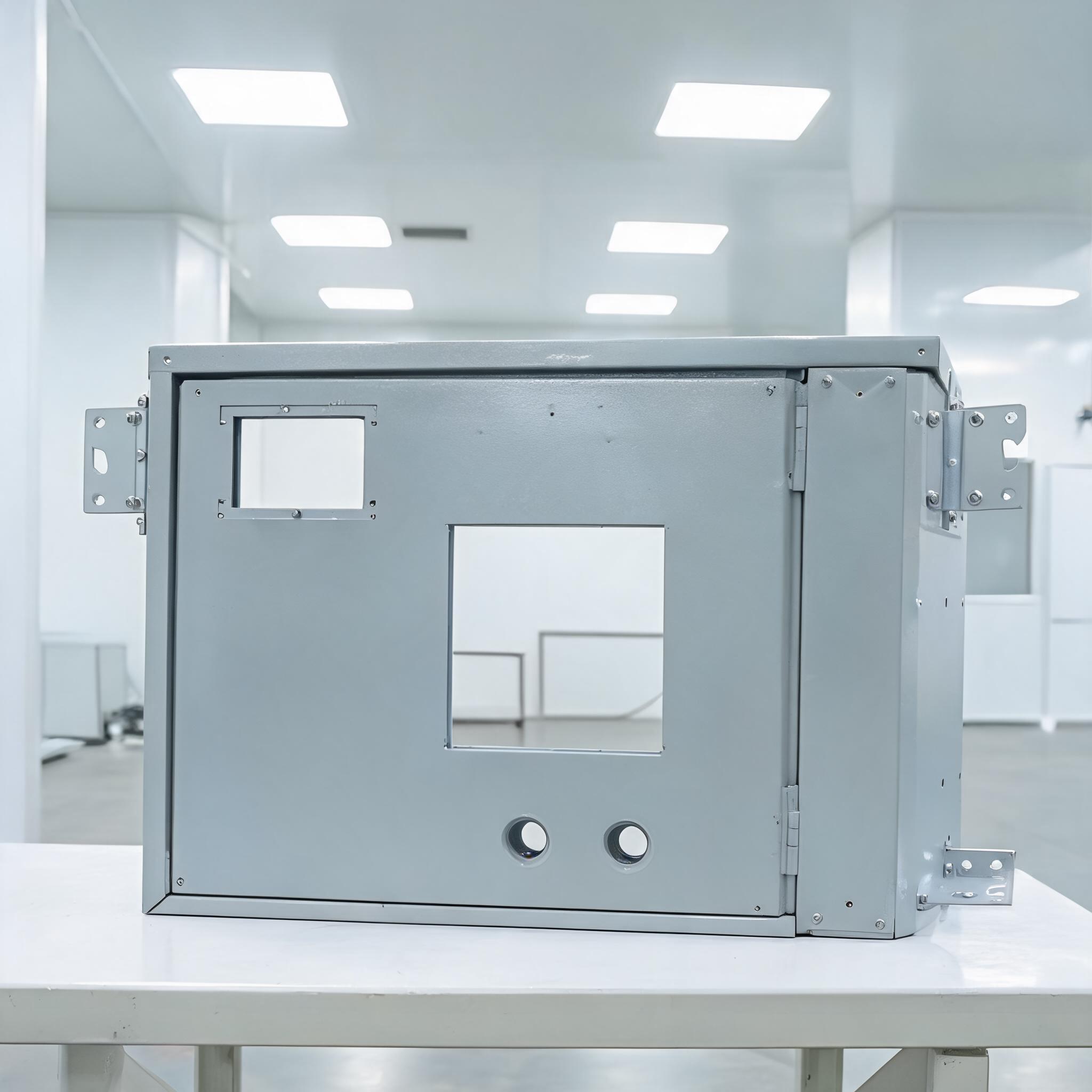
Sourcing welded assemblies from overseas suppliers carries real risks: distortion from uneven heat input, inconsistent weld penetration that fails under load, and documentation gaps that hold up your incoming inspection. When you are importing enclosures, frames, or structural weldments at volume, these problems turn into rework costs, delivery delays, and disputed shipments.
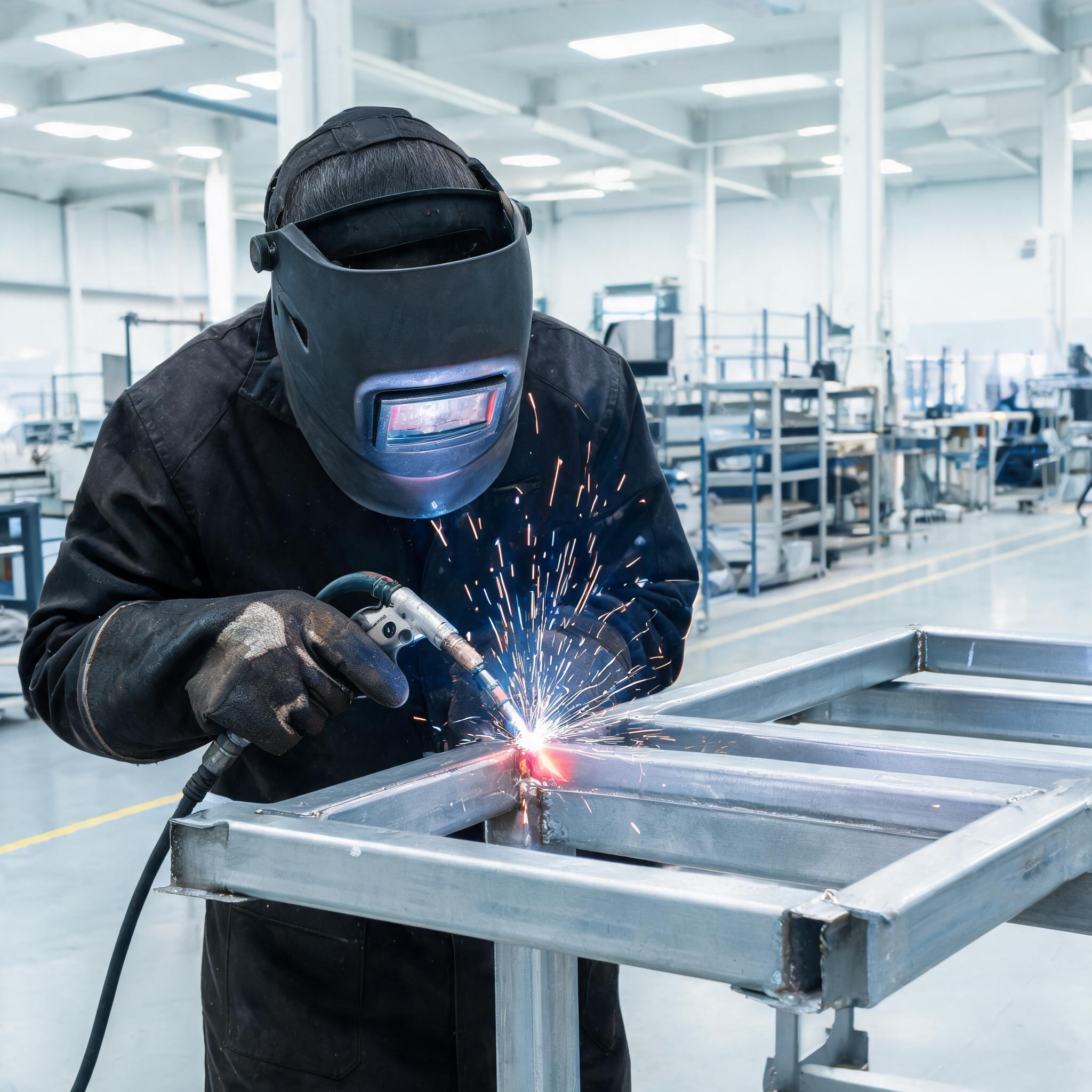
Our welding fabrication service addresses those risks directly. We weld mild steel, stainless steel, and aluminum using MIG, TIG, spot, and laser welding processes—selected based on material type, wall thickness, and structural requirements. Every welding project goes through our standard pre-production workflow: drawing review, tolerance risk assessment, and sample gate approval before full production begins. Post-weld, we inspect dimensions, weld bead quality, and structural alignment, and document the results in QC photo packs shared with your team.
Welding Processes & Capabilities
| Process | Typical Application | Materials |
|---|---|---|
| MIG Welding (GMAW) | Enclosure seams, frame joints, thick-section structural weldments | Mild steel, stainless steel |
| TIG Welding (GTAW) | Precision joints, thin-gauge sheet, stainless cosmetic welds | Stainless steel, aluminum |
| Spot Welding | Sheet-to-sheet lap joints, brackets, tabs | Mild steel, stainless steel |
| Laser Welding | High-speed, low-heat-input joints for automotive and aerospace components | Stainless steel, aluminum |
Our laser welding robot delivers high welding speed with low heat input—reducing distortion on thin-gauge parts where conventional processes would warp the material. For heavier structural weldments, MIG welding provides deep penetration and deposition rate. TIG welding is used where weld appearance and precision matter most, such as visible stainless steel enclosures or thin-wall aluminum assemblies.
Materials We Weld
- Mild steel – enclosures, frames, brackets, machinery bases
- Stainless steel – food-grade equipment, medical housings, corrosion-resistant assemblies
- Aluminum – lightweight structural parts, heat sink assemblies, enclosure panels
Core Features
- Distortion control: Fixturing and clamping protocols based on material thickness and joint geometry, with sequential welding patterns to manage heat distribution.
- Laser welding robot: Automated high-speed welding with minimal heat-affected zone, suitable for thin-gauge sheet and precision components.
- Full-process traceability: Every project starts with a drawing review and tolerance risk assessment. Sample gate approvals, FAT (Factory Acceptance Test) records, QC photo packs, and shipment checklists are prepared and shared with buyers.
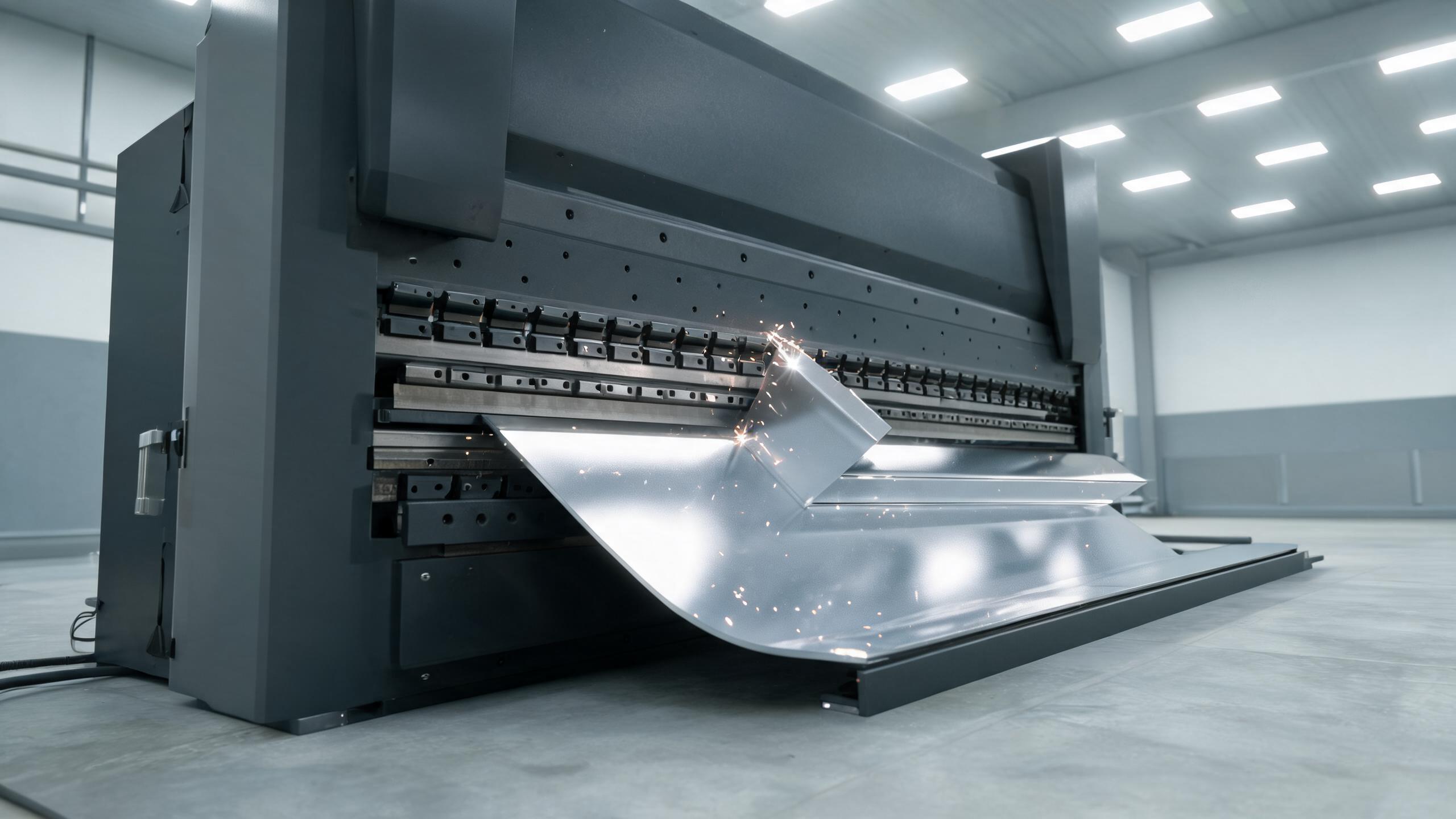
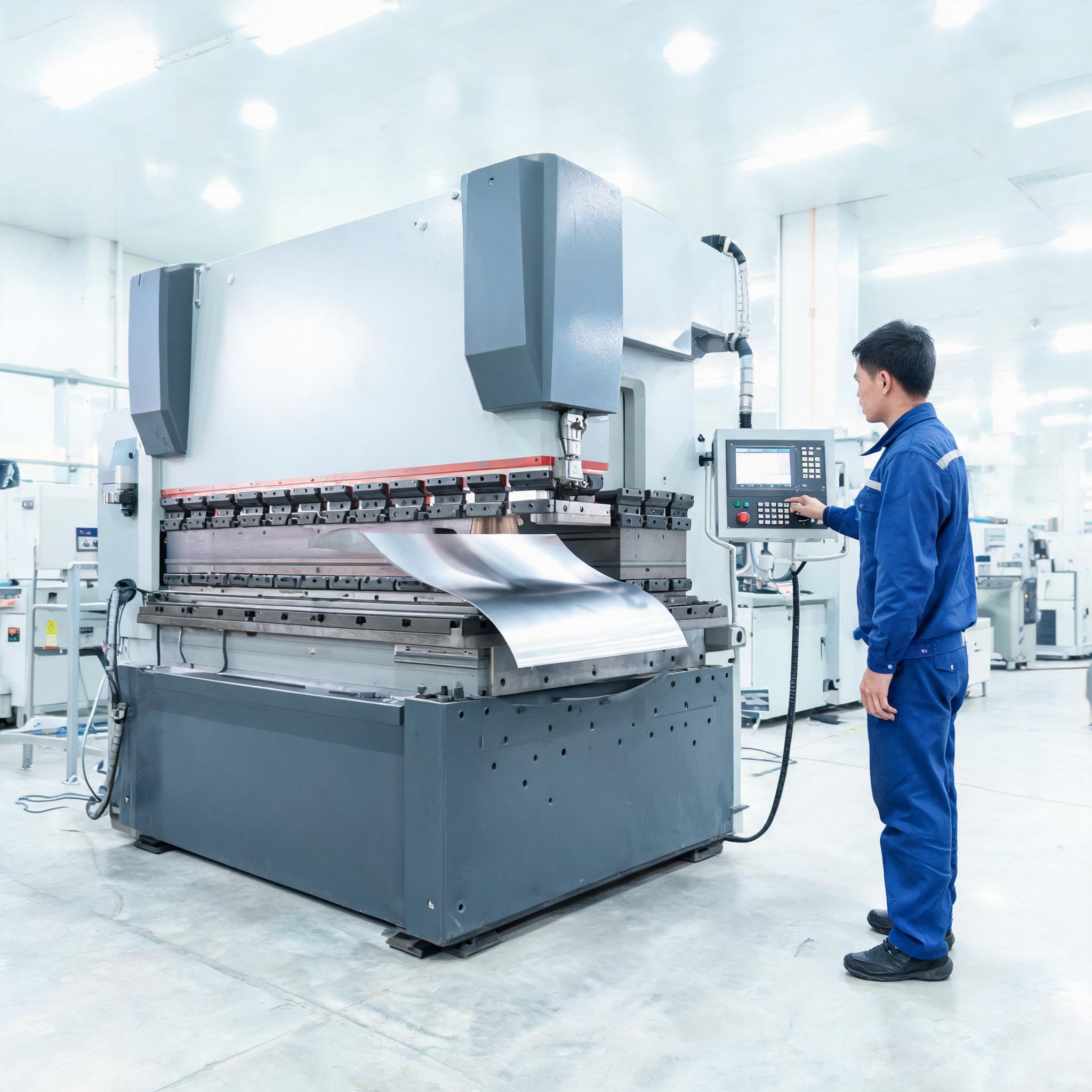
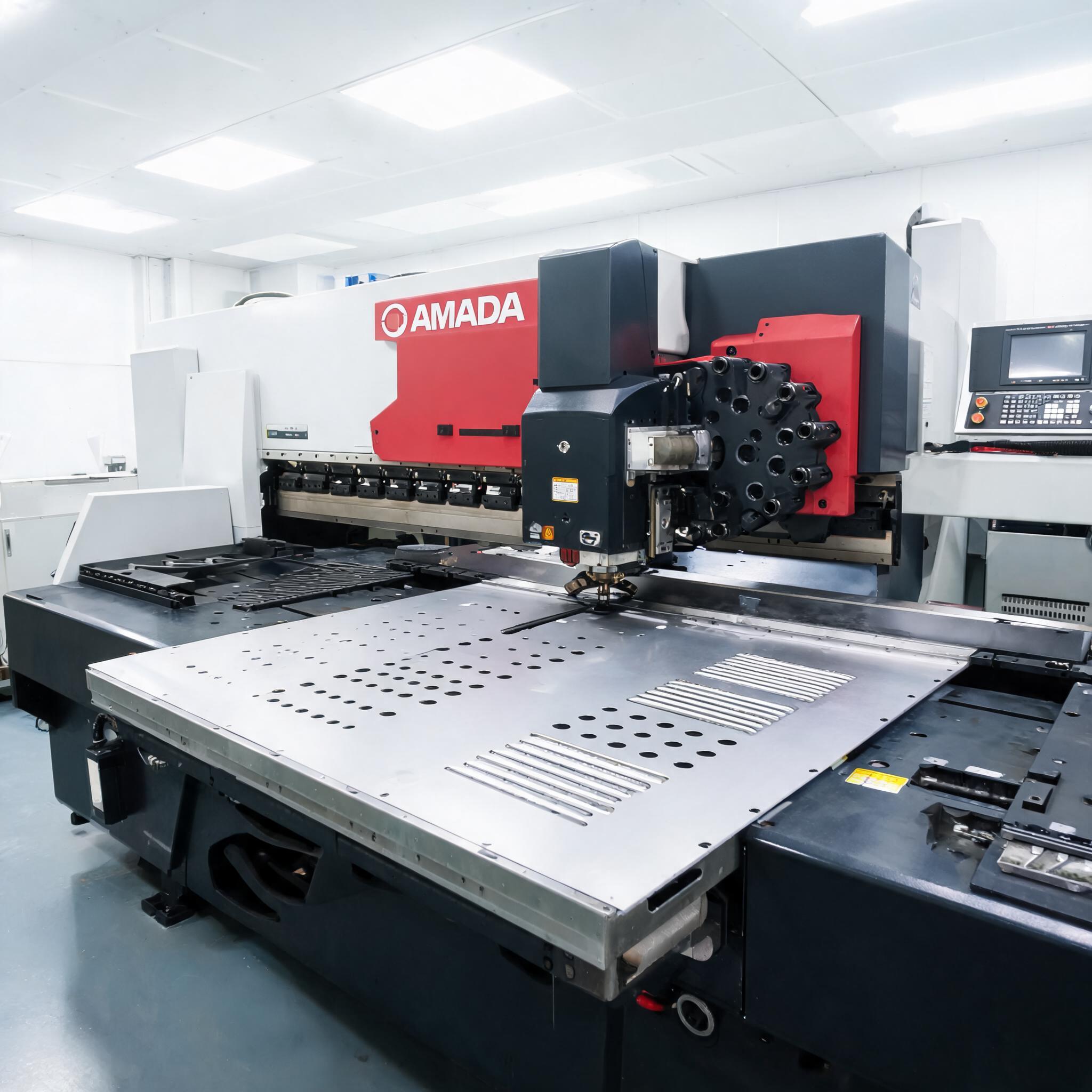
- In-house fabrication chain: Laser cutting, CNC punching, bending, welding, and CNC machining under one roof—no outsourcing between operations, which means tighter dimensional control on the final assembly.
- IATF 16949:2016 certified quality system: Welding procedures and inspection standards are documented within our certified QMS, not improvised per order.
Product Advantages for B2B Buyers
- One-stop fabrication: Send one set of drawings; we handle cutting, forming, welding, machining, and surface finishing. You receive a finished assembly, not a stack of loose parts from multiple vendors.
- Pre-production risk identification: Our engineering team reviews your drawings before quoting and flags tolerance risks, weld accessibility issues, and material compatibility concerns—before production starts.
- Documentation that passes incoming inspection: FAT records, dimensional inspection reports, and QC photo packs travel with every shipment, so your receiving team has what they need without follow-up emails.
- Prototype-to-volume consistency: The same welding procedures, fixtures, and inspection criteria apply whether you are ordering 5 prototype units or 5,000 production parts.
Quality Certifications
Our facility operates under multiple certified management systems. These certifications are current and verifiable:
- IATF 16949:2016 – Automotive quality management
- ISO 9001 – Quality management
- ISO 14001:2015 – Environmental management
- ISO 13485:2016 – Medical device quality management
- ASME authorized – Pressure equipment fabrication
Frequently Asked Questions
What welding processes do you offer?
We offer MIG, TIG, spot, and laser welding. Process selection depends on your material, wall thickness, joint type, and structural requirements. Our engineers will recommend the appropriate method during drawing review.
Can you weld assemblies that combine sheet metal with CNC machined parts?
Yes. Because we handle laser cutting, CNC punching, bending, welding, and CNC machining in-house, we can weld machined components into sheet metal assemblies without coordinating multiple suppliers.
How do you control weld distortion on thin-gauge parts?
We use proper fixturing, sequenced welding patterns, and—where applicable—laser welding, which has a narrow heat-affected zone. For critical thin-gauge work, we validate the approach on sample parts before production.
What documentation do you provide with welded assemblies?
Every shipment includes dimensional inspection results, weld quality records, and QC photo packs. For automotive and medical projects, we follow IATF 16949 and ISO 13485 documentation requirements respectively.
How do I get a quote for a welded assembly?
Send your drawings (STEP, IGES, DWG, or PDF) with material specifications, quantities, and any welding or inspection requirements. Our engineering team will review them, flag tolerance risks, and return a quote-ready technical file.
Ready to discuss your welding fabrication project?
Send us your drawings and requirements. Our engineering team will review them and respond with a technical assessment—including process recommendations, tolerance risk notes, and a quotation.
Request a Quote