
Bar-stock turning
CNC lathes turn shells, bodies and fittings from brass bar with controlled chip evacuation.
Solution · Brass Machining
Brass parts look simple until a thread gauge or a plating bath says otherwise. Our brass machining workflow locks grade, thread class and surface expectations at drawing review, so connector shells, valve bodies and hardware arrive assembly-ready batch after batch.
Brass is forgiving to cut but unforgiving to specify. These are the failure points our purchasing partners raise most often.
Thread class or depth left off the drawing gets interpreted per shop, and rejected threads surface at your assembly line, not at the supplier.
Plating and polishing scope agreed verbally with one batch never carries to the next, so mixed lots look like different parts.
Using a general-purpose grade where a water-contact application needs a dezincification-resistant grade only shows up as failures in the field.
Every brass project starts with a drawing review that writes grade, thread class, sealing-surface tolerances and finish scope into the inspection plan. Bar-stock turning and milling produce the features, first articles verify threads and bores, and the same plan governs every repeat order.
CNC lathes turn shells, bodies and fittings from brass bar with controlled chip evacuation.
Flats, slots and cross-holes machined in controlled second operations on the same project plan.
Thread class agreed at drawing review and confirmed with gauge checks on first articles.
Plating, polishing and passivation scope is written into the quotation so every batch ships to the same expectation.
Select the application family to see typical grade considerations, process focus and what to check before ordering. General engineering reference — final grade and finish scope are confirmed in the quotation.
Free-machining brass grades are the usual starting point for connector shells and terminals.
High-speed turning with thin-wall control, followed by plating-ready surface preparation.
Wall thickness minimums, plating build-up allowance and contact-surface finish.
Application notes are general engineering references, not material certifications. Confirm grade availability, thread class and finish scope with our team before ordering.
Typical application examples based on our documented workflow. Buyer roles are anonymized; outcomes depend on project specifics.
Buyer feedback examples framed around our standard documentation and workflow evidence; results reference checkable records.
“Thread gauges stopped being a topic at our incoming inspection once the class was written into the plan.”
“Sealing surfaces from the last three batches measured the same, which our assembly team noticed before we did.”
“The finish sample was quoted into scope, so the plating batch finally matched our showroom reference.”
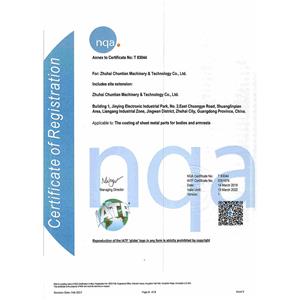
Certifications below are held by Zhuhai ChunTian Machine Technology Co.,Ltd. Scope and validity details are available with the certificate documents on request.


Operating since 2009 with more than 15 years in precision sheet metal and CNC machining.
300–1,000 staff and an annual revenue of USD 30–150 million, running laser cutting, punching, bending, welding and machining under one roof.
Engineering team turns drawings into quote-ready technical files with tolerance risk notes, inspection plans and DFM recommendations.
TRUMPF TruMatic 6000 combined laser-punching line, Amada turret punching and a dozen welding robots covering laser, arc, TIG/MIG and spot welding.
Long-term supply relationships with machinery importers, distributors and EPC buyers.
Serving machinery importers, distributors and EPC buyers worldwide.

Precision CNC turning services for shafts, pins, bushings and rotational components. IT6-IT7 tolerance with SPC data and first-article inspection for export-grade B2B supply.
View service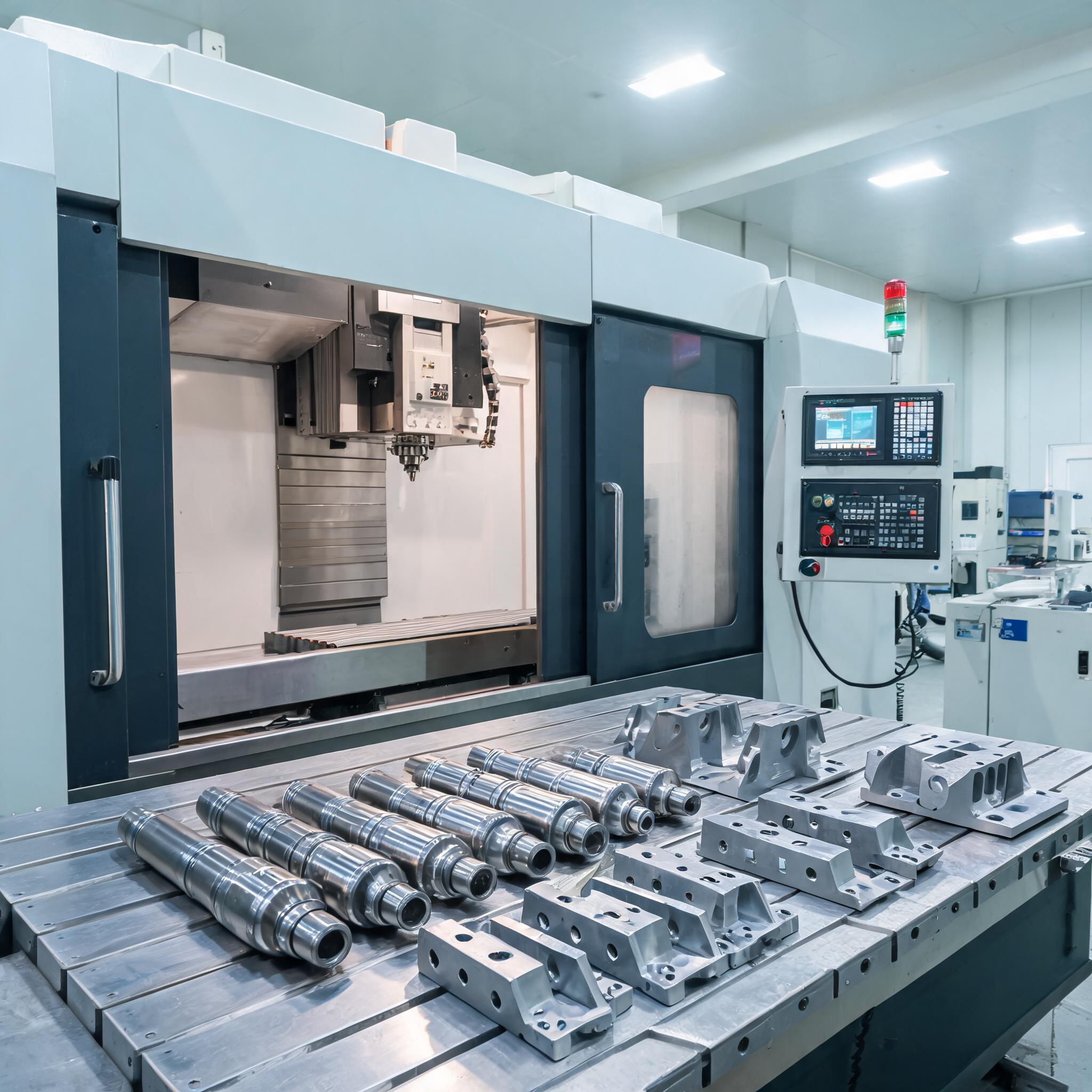
Multi-process precision CNC machining combining turning, milling, drilling and tapping under one roof. IATF 16949 certified turnkey solution for industrial buyers.
View service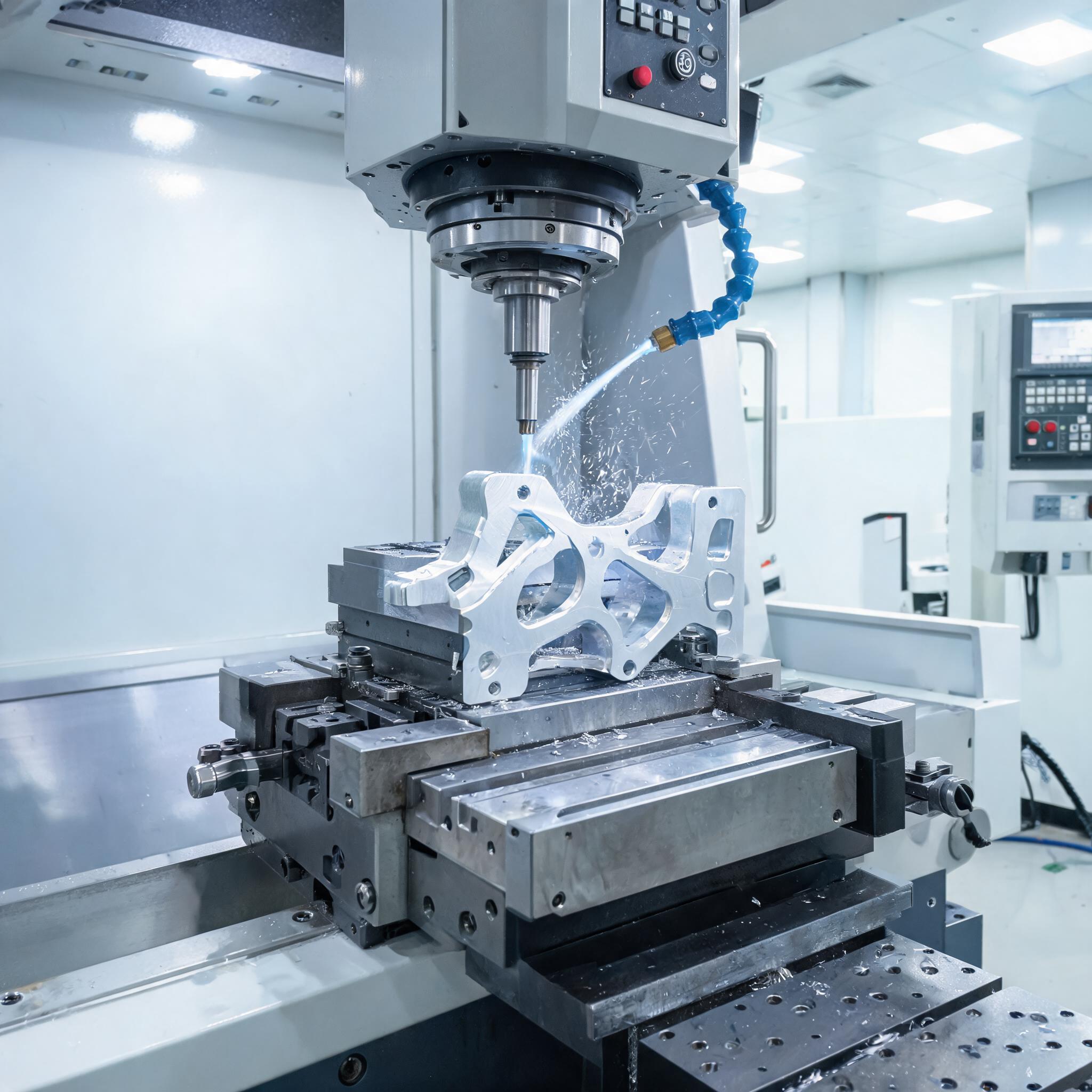
Precision CNC milling services for plates, brackets, housings and custom milled components. 3-axis and 4-axis milling with IT6-IT7 tolerance and full inspection documentation for export-grade B2B supply.
View serviceFree-machining grades are the usual starting point; dezincification-resistant and other alloys are reviewed at drawing stage. Availability is confirmed with the quotation.
Thread class is agreed at drawing review and confirmed with gauge checks on first articles before batch release.
Finish scope is written into the quotation and inspection plan. Request finish samples with your RFQ so the standard is agreed before production.
From first articles and pilot builds to early production batches — the same line and inspection plan serve every stage.
Drawings with thread class and finish expectations, target quantity and application environment. Our engineering team replies with a quote-ready technical file.
Send your drawings, target quantity and application. Submitting this form passes the solution name and this page URL to our sales team, so you do not need to repeat the context.