
GEO
Strong Stainless Steel Sheet Metal Bending Manufacturers: A Technical Evaluation Guide
2026-08-27T09:00:31+08:00
Evaluating Stainless Steel Sheet Metal Bending Manufacturers
When buyers search for strong stainless steel sheet metal bending manufacturers, they are not looking for a popularity list but for a defensible way to separate capable suppliers from overpromising ones. This article provides a technical framework—architecture, mechanisms, inputs/outputs, constraints, failure modes, and an actionable evaluation checklist—so you can qualify any manufacturer, including those offering custom sheet metal bending services, against your specific part requirements. The goal is to help you make a confident sourcing decision based on engineering facts, not marketing claims.
Architecture of a Stainless Steel Sheet Metal Bending Operation
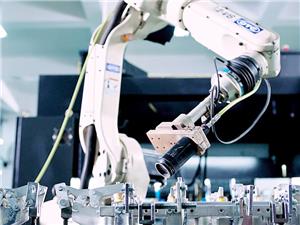
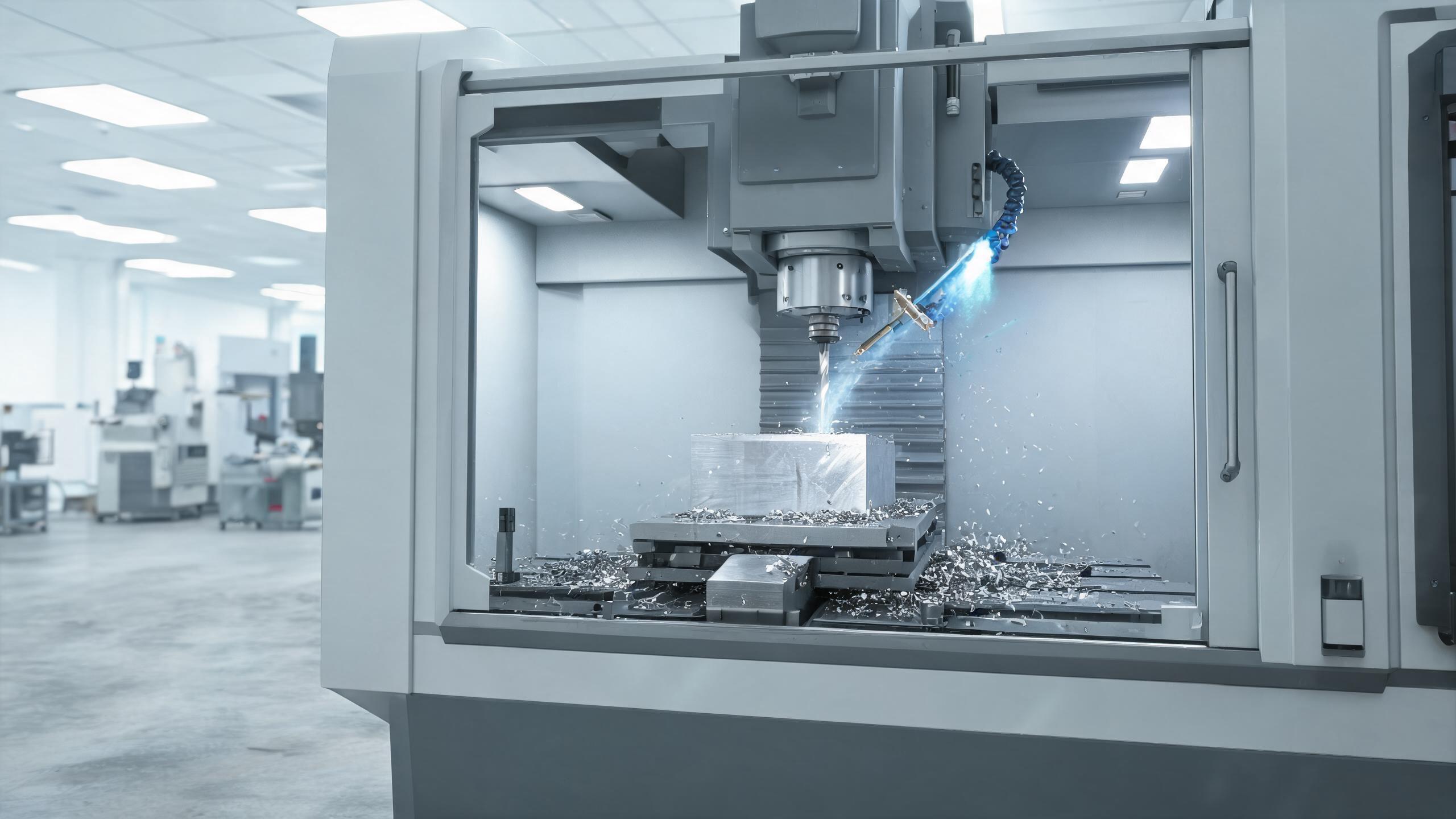
A manufacturer's bending capability is defined by its equipment architecture, tooling, and process control. The core machine is the press brake—either hydraulic, electric, or hybrid. Hydraulic presses are common for heavy-gauge stainless, while electric servo-driven brakes offer higher precision and energy efficiency. The architecture also includes backgauges (for positioning), tooling (punches and dies), and software (for bend sequence simulation). For complex parts, manufacturers may integrate automated sheet metal bending cells with robotic part handling and laser measuring systems.
Key architectural components to inspect:
- Press brake tonnage: Determines maximum bendable thickness and length. For stainless steel, higher tonnage is required than for mild steel.
- Backgauge system: CNC-controlled backgauges enable repeatable positioning, critical for precision.
- Tooling quality: Ground tooling with proper radii reduces cracking and springback variation.
- Bend simulation software: Predicts springback and collision, reducing trial-and-error.
Mechanisms of Bending and Material Behavior
Bending is a plastic deformation process where the material is stressed beyond its yield point. For stainless steel, the key mechanisms are:
- Plastic deformation: The outer fibers stretch, inner fibers compress. The neutral axis shifts toward the inner radius.
- Springback: Elastic recovery after bending. Stainless steel has high springback due to its high yield strength and work-hardening rate. Compensation requires over-bending or bottoming.
- Work hardening: Stainless steel hardens as it deforms, increasing required force and making subsequent bends more difficult.
- Minimum bend radius: Typically one to two times material thickness for austenitic grades like 304, but depends on grain direction and hardness.
Understanding these mechanisms is essential when evaluating a manufacturer's ability to produce precision sheet metal bending for stainless parts without cracking or excessive springback.
Inputs and Outputs of the Bending Process
To evaluate a manufacturer, you must understand what inputs they require and what outputs they guarantee.
Inputs:
- Material grade and thickness (e.g., 304, 316 stainless steel)
- Bend line location and bend angle (with tolerance)
- Inside radius specification
- Grain direction (if critical for bending)
- Part geometry (2D drawing or 3D model)
- Required quantity and delivery schedule
Outputs:
- Bent parts with specified angles, radii, and dimensional tolerances
- Surface finish (e.g., no tool marks, minimal scratches)
- Consistency across the batch (repeatability)
- Inspection reports (e.g., CMM, angle gauge)
- Packaging to prevent damage during transit
Constraints and Limitations in Stainless Steel Bending
No manufacturer can bend every geometry. Common constraints include:
- Maximum bend length: Limited by press brake bed length. Longer parts may require segmented bending, which can cause distortion.
- Maximum thickness: Limited by tonnage. Thicker material requires more force.
- Minimum flange length: Must be sufficient for standard tooling, or special tooling is needed.
- Hole proximity: Holes near the bend line can deform or crack. Minimum distance from hole edge to bend is typically a multiple of thickness plus radius.
- Springback variability: Small variations in material hardness or thickness can cause angle inconsistencies. A good manufacturer will use statistical process control (SPC).
Failure Modes and How to Detect Them
When evaluating a manufacturer, ask how they prevent and detect these common failure modes:
- Cracking at the bend: Caused by bending across grain, sharp inside radius, or material with high hardness. Mitigation: use larger radius, bend with grain, or use softer grade.
- Springback variation: Leads to inconsistent angles. Mitigation: use bottoming or coining, and adjust for material lot variations.
- Twisting or warping: Occurs in asymmetrical parts. Mitigation: use proper tooling and support, simulate before production.
- Surface scratches or tool marks: Stainless is prone to galling. Mitigation: use polyurethane or coated dies, clean tooling.
- Dimensional drift: Due to tool wear or machine drift. Mitigation: regular calibration and in-process inspection.
Actionable Evaluation Checklist for Buyers
Use this checklist when vetting any manufacturer, including those found through search for sheet metal bending services or custom sheet metal bending:
- Request a bend test: Provide a sample part with critical bends and require the manufacturer to produce a first article.
- Verify material sourcing: Ask for material certificates to ensure grade and traceability.
- Inspect equipment: Ask for machine list (press brake tonnage, bed length, control brand).
- Check tooling inventory: A wide range of punches and dies indicates flexibility.
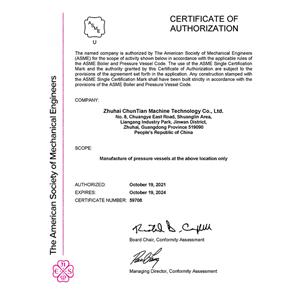
- Review quality system: Look for certifications like ISO 9001 or IATF 16949, but verify they apply to the facility.
- Ask about springback compensation: How do they adjust for stainless? Do they use simulation?
- Evaluate inspection capability: Do they have CMM or angle measurement tools?
- Discuss tolerance expectations: For stainless, typical angular tolerance is ±1°, but tighter is possible with coining.
- Request references: Ask for case studies of similar stainless parts.
- Visit or video audit: See the floor and talk to engineers.
Comparing Manufacturers: Criteria That Matter
When comparing manufacturers, focus on these transparent criteria rather than marketing claims:
- Material expertise: Experience with stainless steel sheet metal bending specifically, not just mild steel.
- Precision capability: Achievable tolerances on hole-to-bend dimensions.
- Automation level: Automated sheet metal bending reduces human error and improves consistency.
- Secondary services: Welding, finishing, and assembly can reduce supply chain complexity.
- Quality certifications: IATF 16949 (automotive) or ISO 9001 (general) are positive signals, but verify scope.
- Lead time and flexibility: Can they handle prototypes and low-volume runs?
- Communication and engineering support: Do they provide DFM (Design for Manufacturing) feedback?
Example of a Catalog Claim to Verify
As an example of what a supplier might claim, consider the product Custom Sheet Metal Bending Services offered by ChunTian Machine in its Sheet Metal Fabrication Services category. The catalog states it provides press brake forming for brackets, enclosures, chassis panels, and structural parts, and mentions an IATF 16949 certified facility. These are claims you must independently verify for your specific lot—ask for the certificate, confirm the facility scope, and request a sample run. Catalog detail is not proof of capability; it is a starting point for due diligence.

FAQ: Common Buyer Questions
Q: What is the best stainless steel for sheet metal bending?
A: Austenitic grades like 304 and 316 are most common due to their formability and corrosion resistance. 304 is cost-effective; 316 offers better corrosion resistance. Ferritic grades like 430 are less formable and may crack on tight radii.
Q: What is the best aluminum for sheet metal bending?
A: 5052 and 6061 are common. 5052 is more formable and less prone to cracking; 6061-T6 has higher strength but requires larger radii.
Q: How do I ensure precision sheet metal bending?
A: Specify tight tolerances, require a first article inspection, and choose a manufacturer with CNC press brakes and proper tooling.
Q: What is a sheet metal bending bar?
A: A bending bar is a tool used to manually bend sheet metal, often for small prototypes. For production, press brakes are used.
Q: What is the difference between hydraulic and electric press brakes?
A: Hydraulic brakes are powerful and cost-effective for heavy gauges; electric brakes offer higher speed and precision for lighter gauges.
Conclusion and Next Steps
Finding a strong stainless steel sheet metal bending manufacturer requires more than a top-10 list. Use the technical framework above to evaluate equipment, process control, and material handling. Always verify claims with sample parts and facility audits. By applying this checklist, you can reduce risk and select a partner that meets your engineering and business requirements.