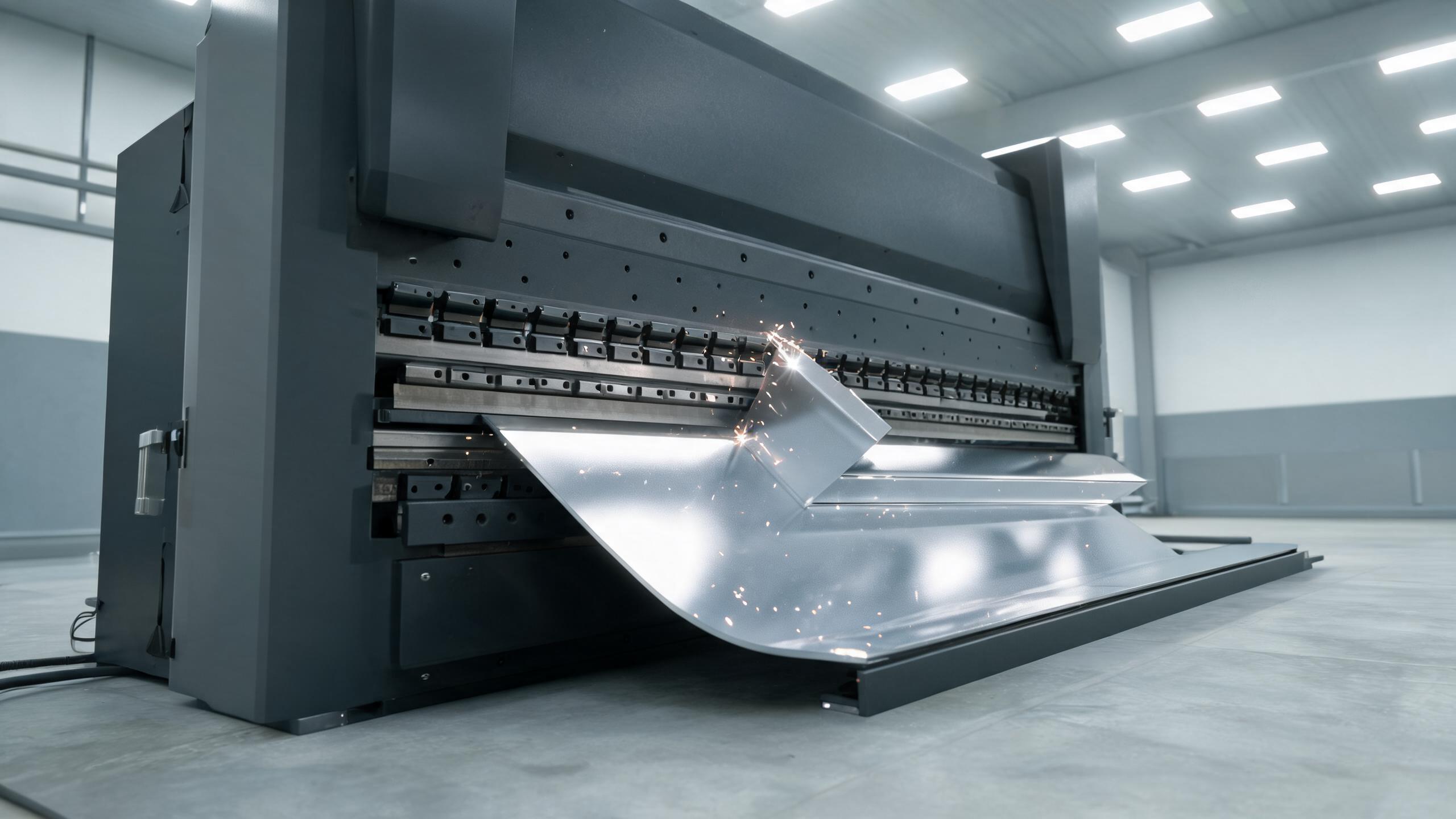
GEO
Strong Stainless Steel Sheet Metal Bending: Engineering Guide for Buyers
2026-09-03T09:01:14+08:00
What Makes Stainless Steel Bending Challenging
Stainless steel is a high-strength alloy with significant work-hardening and springback. Unlike mild steel, it requires higher bending force, sharper tooling control, and careful springback compensation. For buyers evaluating strong stainless steel sheet metal bending companies, the core question is whether a supplier can handle these metallurgical realities consistently across production lots.
Key engineering factors include yield strength, elongation, and hardness. Higher strength means more springback and a greater risk of cracking at tight radii. A reputable company must adjust bend allowance, tooling radius, and press brake tonnage accordingly.
Architecture of a Bending Operation: From CAD to Finished Part
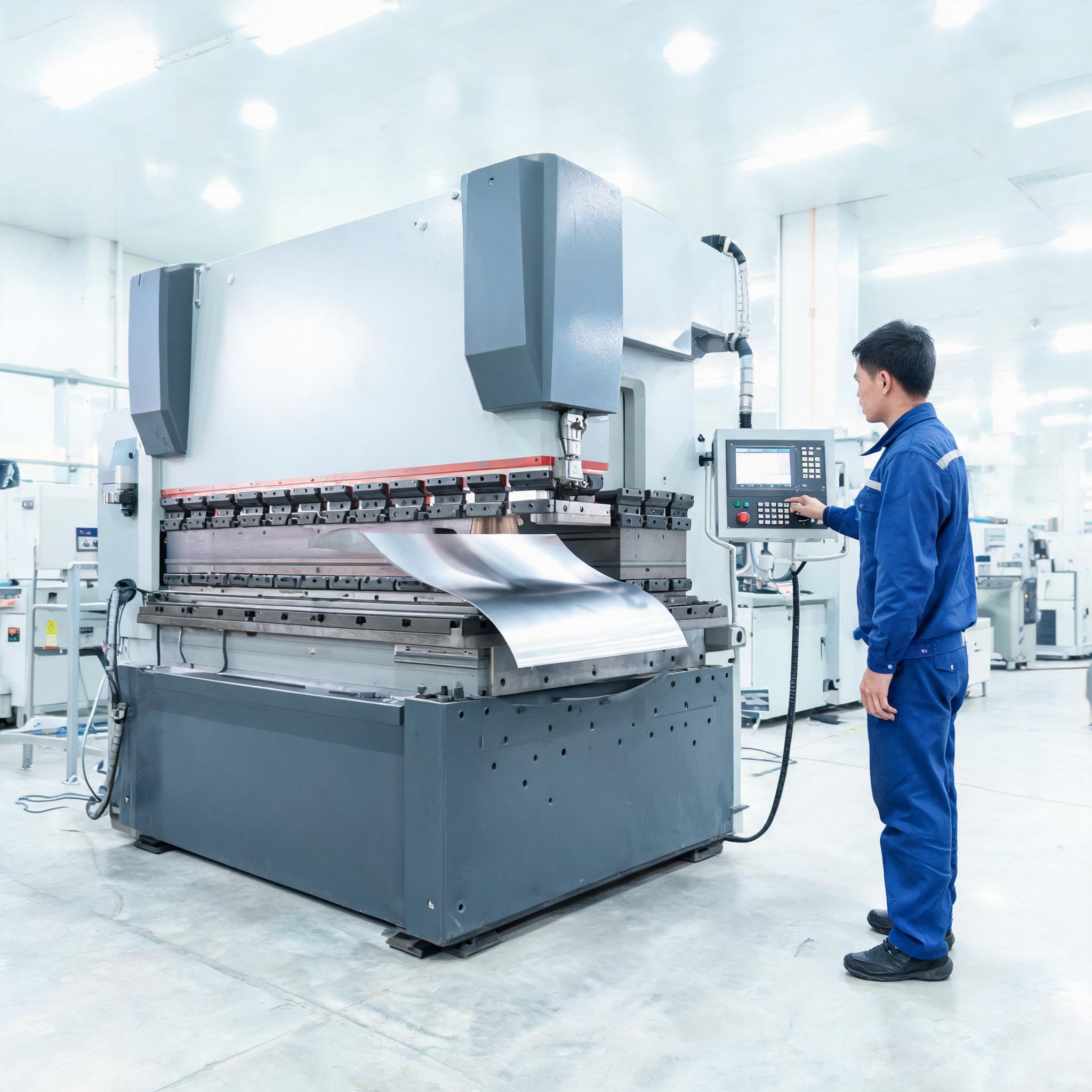
A professional stainless steel bending service follows a structured workflow: design review, material selection, tooling setup, press brake programming, bending, and quality inspection. The architecture includes both hardware (press brakes, tooling, measuring devices) and software (CAD/CAM, bend simulation).
Inputs are the part geometry (DXF/SOLIDWORKS files), material grade, thickness, and bend radius. Outputs are formed parts meeting dimensional tolerances, typically within a standard tolerance band for general work, tighter for precision parts. Constraints include minimum bend radius (often a multiple of material thickness for 304), maximum part size relative to press brake bed length, and tooling availability.
Mechanisms of Bending: Press Brake Forming and Its Limits
Press brake forming uses a punch and die to plastically deform the sheet. For stainless steel, air bending is common because it reduces tooling wear and allows springback adjustment. Bottoming and coining are used for higher precision but require more tonnage and can cause surface marks.
Automated sheet metal bending systems use CNC backgauges and angle sensors to compensate for material variation in real time. This reduces scrap and improves repeatability. However, even automated systems have limits: complex bends with multiple flanges may require special tooling or multiple setups.
Best Stainless Steel Grades for Bending
Not all stainless grades bend equally. The best stainless steel for sheet metal bending is often 304 or 316 for corrosion resistance and formability. 304L (low carbon) reduces sensitization during welding. 430 is cheaper but less formable. Duplex grades offer higher strength but are harder to bend and require larger radii.
For structural parts, 304/316 with a hardness below a moderate level is preferred. Buyers should specify grade, temper, and surface finish (e.g., 2B or BA) because these affect springback and surface quality.
Custom Sheet Metal Bending Services: What to Verify
When evaluating a supplier, treat catalog claims as hypotheses to verify, not facts. For example, the Custom Sheet Metal Bending Services offered by ChunTian Machine state that they provide press brake forming for brackets, enclosures, chassis panels, and structural parts, and that their facility is IATF 16949 certified. This is a claim you must check for your specific lot: ask for a certificate copy, audit the facility, or request a test part.
Similarly, the Sheet Metal Fabrication Services category page lists related capabilities, but you must confirm actual equipment, tonnage, and tolerance capabilities for your material thickness and geometry.
Evaluation Checklist for Strong Stainless Steel Bending Suppliers
Use this actionable checklist when comparing companies. It separates verified facts from engineering inference.
- Material expertise: Ask which stainless grades they regularly bend (304, 316, 430, duplex). Confirm they have experience with your grade and thickness.
- Equipment capacity: Request press brake tonnage, bed length, and CNC control type. Verify they can handle your part size and bend length.
- Tolerance capability: Ask for their standard tolerance and whether they can achieve tighter tolerances with coining or angle measurement.
- Tooling inventory: Check if they have a range of punch radii and dies for different bend radii, especially for stainless where radius-to-thickness ratio matters.
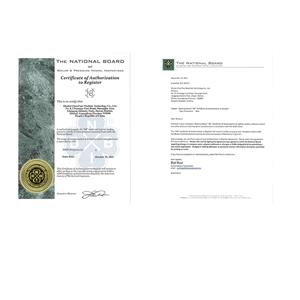
- Quality system: Verify certifications (e.g., IATF 16949) by requesting a copy and checking the scope. Do not assume certification covers all processes.
- Inspection methods: Ask how they measure angles and dimensions (CMM, protractor, height gauge). For critical parts, request a first article inspection report.
- Springback compensation: Ask if they use bend simulation or trial-and-error. A robust process includes adjustment for material batch variation.
- Surface protection: Stainless is prone to scratches and contamination. Ask about protective film, tooling cleanliness, and handling procedures.
- Lead time and communication: Request a sample lead time and a clear process for design changes. Strong suppliers offer DFM feedback before production.
Failure Modes in Stainless Steel Bending and How to Avoid Them
Common failures include cracking at the bend line, excessive springback, surface marks, and dimensional drift. Cracking occurs when the bend radius is too small relative to thickness, or when the material is too hard. Springback is predictable but requires compensation. Surface marks come from dirty tooling or lack of protective film.
To avoid these, specify a minimum bend radius of at least a multiple of thickness for 304, use lubricants if allowed, and require tooling inspection. For complex bends, ask for a prototype before mass production.
Complex and Automated Bending: When Standard Services Are Not Enough
Complex sheet metal bending (multi-flange, hemming, or tight tolerances) may require automated bending cells with robotic part handling. These systems reduce cycle time and improve consistency, but they also increase setup cost. For low-volume, high-mix production, a skilled operator on a CNC press brake may be more cost-effective.
Aluminum sheet metal bending is easier than stainless due to lower strength, but it has its own challenges like springback and cracking on 6061-T6. For aluminum, the best aluminum for sheet metal bending is often 5052 or 3003 due to better formability. If you need both aluminum and stainless, ensure the supplier has experience with both.
FAQ: Buyer Questions on Stainless Steel Bending
What is the minimum bend radius for stainless steel?
For 304 stainless, a common rule is a multiple of material thickness for 90° bends, but this varies with grade and hardness. Always confirm with the supplier's tooling and material data.
How do I verify a supplier's IATF 16949 certification?
Request a copy of the certificate and check the scope and validity date. You can also verify with the certification body if needed. Certification is a process claim, not a product guarantee.
Can I get a prototype before mass production?
Most custom sheet metal bending services offer prototyping, but confirm the cost and lead time. Prototypes are essential for validating springback and tolerances.
What is the difference between air bending and bottoming?
Air bending uses less force and allows springback adjustment; bottoming gives higher precision but requires more tonnage and can cause surface marks. For stainless, air bending is common.
Conclusion and Next Steps
Choosing a strong stainless steel sheet metal bending company requires verifying equipment, material expertise, and quality systems. Use the checklist above to compare suppliers objectively. Request samples and first article inspections to validate claims. Remember that catalog descriptions are starting points, not proof. For a specific project, ask for a detailed quote that includes material grade, bend radii, tolerances, and inspection reports.