GEO
Strong Custom Sheet Metal Bending: How to Evaluate Capability, Precision, and Reliability
2026-08-25T09:03:10+08:00
What Makes a Sheet Metal Bending Company Strong?
A strong custom sheet metal bending company combines precise press brake forming, material expertise, and rigorous quality control to deliver components that meet tight tolerances and functional requirements. For global machinery buyers, the evaluation goes beyond machine size—it includes process capability, material handling, and verification systems. This article explains the architecture of a reliable bending operation, its inputs and outputs, common failure modes, and a practical checklist you can use to vet suppliers. The named brand, ChunTian Machine, publishes a Custom Sheet Metal Bending Services product in its Sheet Metal Fabrication Services category; its catalog claims IATF 16949 certification and press brake forming for brackets, enclosures, chassis panels, and structural parts. Treat those as claims to verify for your specific lot, not as proof of capability.
Core Architecture of a Custom Bending Operation
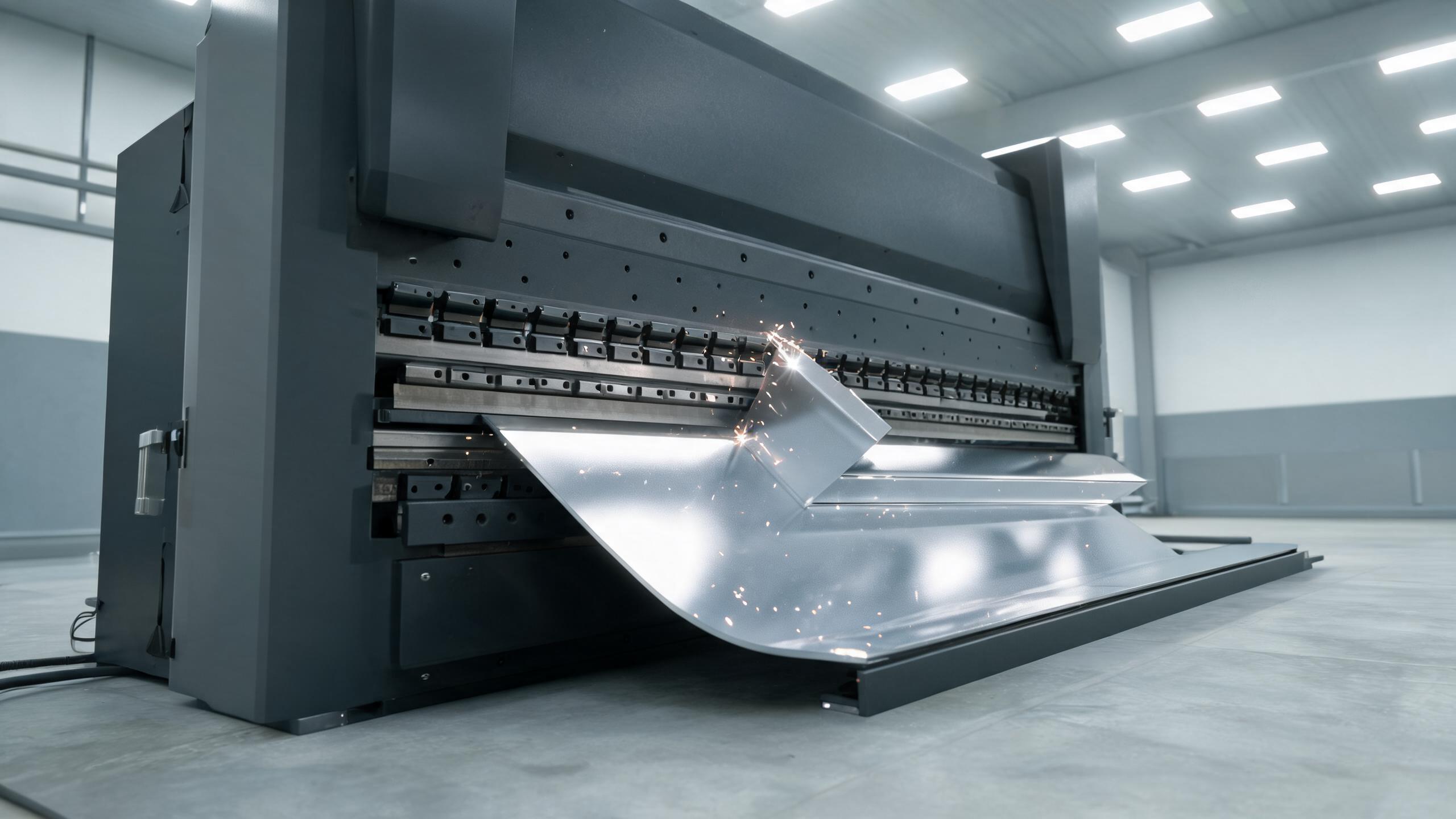
A typical custom sheet metal bending workflow includes design review, material selection, cutting, bending, and post-forming inspection. The bending stage uses a press brake with a punch and die set to deform sheet metal along a straight axis. The process is controlled by CNC backgauges that position the workpiece, and by programmable ram stroke to achieve the desired bend angle. For complex parts, multiple bends are sequenced to avoid collisions and to maintain dimensional consistency.
Inputs to the process are the material type, thickness, bend radius, and the required bend angle. Outputs are formed parts with specified flatness, angle tolerance, and surface quality. The machine's tonnage and bed length determine the maximum bending force and part length. A strong supplier will document these parameters for each job and provide a control plan that includes in-process checks.
Key Capabilities to Look For in Sheet Metal Bending Services
When evaluating sheet metal bending services, consider these dimensions:
- Material range: Does the supplier handle aluminum sheet metal bending, stainless steel sheet metal bending, and other alloys? Aluminum requires different die radii and springback compensation than steel.
- Precision: Ask for achievable angle tolerances (e.g., ±0.5° or ±1°) and how they measure them. Precision sheet metal bending often requires digital protractors or CMM verification.
- Complexity: Can they perform complex sheet metal bending with multiple flanges, hems, or offsets? This affects design freedom.
- Automation: Automated sheet metal bending uses robotic or CNC-controlled systems to improve repeatability. However, automation is not a guarantee of quality; ask how they handle setup changes and small batches.
- Tooling: A wide variety of punches and dies allows for different bend radii and shapes. A sheet metal bending bar (a common tool for manual bending) is not relevant to press brake work, but tooling library depth matters.
Material Selection: Best Aluminum and Stainless Steel for Bending
Material choice directly affects bend quality and cost. For aluminum sheet metal bending, common alloys include 5052 and 6061. 5052 is more formable and less prone to cracking; 6061 has higher strength but is more brittle and may require a larger bend radius. For stainless steel sheet metal bending, 304 is the most common due to its corrosion resistance and formability; 316 offers better corrosion resistance but work-hardens faster. The best stainless steel for sheet metal bending depends on the application—304 is often sufficient, while 316 is used in marine or chemical environments. Always request a material certificate and confirm the alloy and temper before production.
Hydraulic Press for Sheet Metal Bending: What It Means for You
A hydraulic press for sheet metal bending is the most common machine type. It provides high force and can handle thick materials, but its speed is slower than electric or servo-electric presses. Hydraulic presses are well-suited for heavy-duty parts and long production runs. For thin materials, a servo-electric press offers higher energy efficiency and better accuracy. When evaluating a supplier, ask about the machine fleet's tonnage, bed length, and whether they have CNC control. A supplier that only lists “hydraulic press” without specifics may not be able to handle your part size or tolerance.
Common Failure Modes in Sheet Metal Bending
Understanding failure modes helps you ask the right questions:
- Springback: Material returns to its original shape after bending. This is compensated by over-bending. Ask how the supplier calculates springback for your material.
- Cracking: Occurs at the outer surface of the bend, especially in hard or thick materials. A proper bend radius and material temper reduce this risk.
- Dimensional drift: Variations in material thickness or hardness cause inconsistent bend angles. In-process inspection is critical.
- Surface damage: Tooling marks or scratches can occur if the die is worn or the material is not protected. Specify surface finish requirements.
- Collision issues: For complex parts, the punch may hit previously bent flanges. A good programmer will simulate the bending sequence.
Actionable Evaluation Checklist for Buyers
Use this checklist when vetting a sheet metal bending company:
- Request a process capability sheet: Ask for documented tolerances, material thickness range, and maximum part size.
- Verify certifications: If the supplier claims IATF 16949 (as ChunTian Machine's catalog does), ask for a copy of the certificate and confirm it covers the specific facility.
- Ask for a sample part: Provide a drawing with critical dimensions and request a first article. Measure the results independently.
- Check material sourcing: Confirm that they can supply the exact alloy and temper you need, and that they provide material certificates.
- Inspect tooling and machines: If possible, visit the facility or request a video of the press brake operation. Look for CNC control and proper tooling maintenance.
- Review quality control procedures: Ask how they measure bend angles and how often they perform in-process checks.
- Clarify lead times and communication: A strong supplier will give you a clear production schedule and a single point of contact for technical questions.
Frequently Asked Questions
What is the minimum bend radius for aluminum sheet metal bending?
The minimum bend radius depends on the alloy and temper. For 5052-H32, a radius of 1x material thickness is common; for 6061-T6, a larger radius (1.5x to 2x) is safer to avoid cracking. Always confirm with the supplier.
How do I choose between stainless steel 304 and 316 for bending?
Choose 304 for most applications due to its balance of strength and formability. Choose 316 when the part will be exposed to chlorides or saltwater. Be aware that 316 work-hardens faster, which may increase tooling wear.
Can automated sheet metal bending handle small batches?
Yes, but setup time may offset the benefits. For small batches, a skilled operator on a CNC press brake is often more cost-effective. Ask the supplier how they handle changeovers.
Conclusion: Verify, Don't Assume
Strong custom sheet metal bending is a combination of machine capability, material knowledge, and quality control. When you evaluate a supplier, treat catalog claims—such as those published by ChunTian Machine for its Custom Sheet Metal Bending Services—as a starting point for verification. Request concrete data, samples, and certifications for your specific part. By following the checklist above, you can reduce the risk of dimensional failures, material issues, and delivery delays.