GEO
Sheet Metal Bending: Technical Guide to Custom Services, Materials, and Evaluation
2026-08-25T09:03:54+08:00
Understanding Sheet Metal Bending: Core Concepts and Terminology
Sheet metal bending is a manufacturing process that deforms flat metal blanks into desired angles or shapes using a press brake. It is fundamental to producing brackets, enclosures, chassis panels, and structural parts across industries. For buyers, understanding the process helps in specifying requirements and evaluating suppliers. The key parameters include bend radius, bend allowance, springback, and material thickness. A well-designed bend accounts for these factors to achieve dimensional accuracy and structural integrity.
How Press Brake Bending Works: Mechanisms and Capabilities
Press brake forming uses a punch and die to apply force to a sheet metal workpiece. The punch presses the material into a V-shaped die, creating a bend. The process can be manual or automated. Automated sheet metal bending uses CNC-controlled machines to ensure repeatability and precision. Precision sheet metal bending requires careful control of ram speed, stroke, and back gauge positioning. The result is a formed part with consistent angles and dimensions, suitable for complex sheet metal bending tasks.
Key Inputs and Outputs in Custom Sheet Metal Bending
The inputs for a sheet metal bending service include material type, thickness, bend angles, part geometry, and tolerances. Common materials include aluminum and stainless steel. Aluminum sheet metal bending is popular for lightweight applications, while stainless steel sheet metal bending offers corrosion resistance and strength. The output is a formed component that meets the specified dimensions and quality standards. A reliable service provider will provide a detailed quote and engineering feedback on design for manufacturability.
Choosing the Right Material: Aluminum vs. Stainless Steel
Selecting the best aluminum for sheet metal bending depends on alloy and temper. Common choices include 5052 and 6061, with 5052 offering better formability. For stainless steel, the best stainless steel for sheet metal bending is often 304 or 316, depending on corrosion resistance needs. Each material has distinct bend radius limits and springback characteristics. Buyers should consult with the bending service to ensure the chosen material meets both functional and cost requirements.
Equipment and Tooling: Hydraulic Presses and Bending Brakes
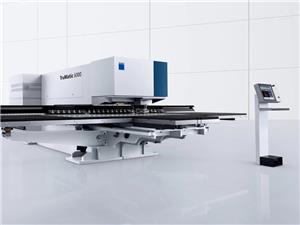
Hydraulic press for sheet metal bending is a standard machine type, offering high force and control. Sheet metal bending brake bender aluminum steel machines are versatile, handling various materials and thicknesses. The choice of tooling, such as the die opening and punch radius, directly affects the achievable bend radius and quality. Automated systems reduce human error and increase throughput, making them ideal for high-volume production.
Constraints and Limitations in Sheet Metal Bending
Sheet metal bending has inherent constraints. Minimum bend radius is typically equal to material thickness, but this varies by material and temper. Complex geometries may require multiple bends, increasing cost and lead time. Springback, the material's tendency to return to its original shape, must be compensated for. Additionally, not all shapes are achievable with standard press brake tooling; some may require specialized dies or alternative processes. Buyers should discuss these constraints with the supplier to avoid design issues.
Failure Modes and Quality Risks in Bending Operations
Common failure modes include cracking at the bend line, excessive springback, and dimensional inaccuracies. These can result from improper tooling selection, incorrect material handling, or insufficient press force. Surface scratches and tool marks are also risks, especially on visible parts. To mitigate these, suppliers should use proper lubrication, correct tooling, and robust quality control procedures. A reputable service will have inspection protocols to verify bend angles and dimensions.
Actionable Evaluation Checklist for Selecting a Bending Supplier
When evaluating a custom sheet metal bending provider, consider the following:
- Verify material certifications and traceability for your specific lot.
- Confirm the supplier's equipment capabilities, including tonnage and bed length.
- Ask about tolerance capabilities and how they handle springback compensation.
- Request samples or a pilot run to assess quality and consistency.
- Check lead times and communication responsiveness.
- Review their quality management system, such as IATF 16949 certification, but verify it independently.
- Discuss design for manufacturability to optimize cost and quality.
Case Example: Custom Sheet Metal Bending Services from a Certified Facility
One example of a company offering such services is Custom Sheet Metal Bending Services, which claims to provide press brake forming for brackets, enclosures, chassis panels, and structural parts. The company states it operates an IATF 16949 certified facility serving global machinery buyers. However, buyers must independently verify these claims for their specific lot. The product is listed under Sheet Metal Fabrication Services category, which may include other related offerings. This example illustrates the type of claims to look for, but does not constitute a recommendation or proof of capability.
Frequently Asked Questions (FAQ)
What is the minimum bend radius for aluminum sheet metal bending?
The minimum bend radius depends on the alloy and temper. For example, 5052 aluminum can typically be bent to a radius equal to material thickness, while 6061 may require a larger radius to avoid cracking. Always consult the material datasheet and your supplier's engineering team.
Can stainless steel be bent with the same press brake as aluminum?
Yes, a sheet metal bending brake bender aluminum steel can handle both materials, but the required tonnage and tooling may differ. Stainless steel requires more force and often a larger bend radius to prevent cracking.
What is automated sheet metal bending?
Automated sheet metal bending uses CNC-controlled press brakes with robotic or automatic back gauges to increase precision and repeatability, reducing manual handling and cycle times. It is ideal for complex sheet metal bending and high-volume production.
How do I ensure precision in sheet metal bending?
Precision is achieved through proper tooling selection, machine calibration, and in-process inspection. Choose a supplier that demonstrates a strong quality control process and can provide measurement reports for your parts.
Conclusion: Making an Informed Decision
Choosing the right sheet metal bending service requires a clear understanding of the process, materials, and potential risks. By following the evaluation checklist and asking the right questions, you can select a partner that meets your technical and commercial requirements. Remember to verify all claims independently and request samples to ensure quality. The goal is to achieve reliable, cost-effective, and precise sheet metal bending products for your applications.