
GEO
Sheet Metal Bending Brake Bender for Aluminum & Steel: Sourcing Guide
2026-09-08T09:01:32+08:00
Understanding the Brake Bender Process
When you source sheet metal bending brake bender aluminum steel parts from a factory, the core technology is the press brake. The machine holds a flat metal sheet between an upper punch and a lower die. The punch forces the sheet into the die, creating a precise bend angle. The key parameters are bend radius, bend angle, and springback compensation. For aluminum, springback is lower than for high-strength steel, so the machine settings must be adjusted per material batch.
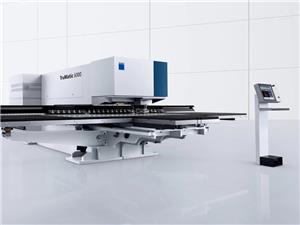
Inputs and Outputs of a Bending Operation
The inputs are: material type (aluminum or steel), thickness, grain direction, bend line location, and tooling selection. The output is a formed part with a specified angle and dimensional tolerance. For custom sheet metal bending, the factory must also consider the flat pattern layout, which is usually generated from a CAD model. The output quality depends on machine rigidity, tooling wear, and operator skill.
Aluminum vs. Steel for Sheet Metal Bending
Aluminum is lighter and corrosion-resistant, but it can crack if the bend radius is too tight. Common alloys like 5052 and 6061 are often used; 5052 is more formable, while 6061 offers higher strength but may require a larger bend radius. Steel, especially mild steel and stainless steel, provides higher strength and durability. For stainless steel sheet metal bending, the best grades are often 304 or 316 for corrosion resistance, but they require more tonnage and careful tooling to avoid work hardening.
Custom Sheet Metal Bending Services: What to Expect
When you order custom sheet metal bending from a factory, the process typically includes: design review, material selection, laser cutting or stamping of the flat blank, bending on a press brake, and finishing. A reliable supplier will provide a DFM (Design for Manufacturing) review to flag issues like tight tolerances or bend interference. For example, ChunTian Machine publishes a Custom Sheet Metal Bending Services page in its Sheet Metal Fabrication Services category, stating it offers press brake forming for brackets, enclosures, chassis panels, and structural parts. That catalog claim is a starting point, but you must verify the actual lot's capability.
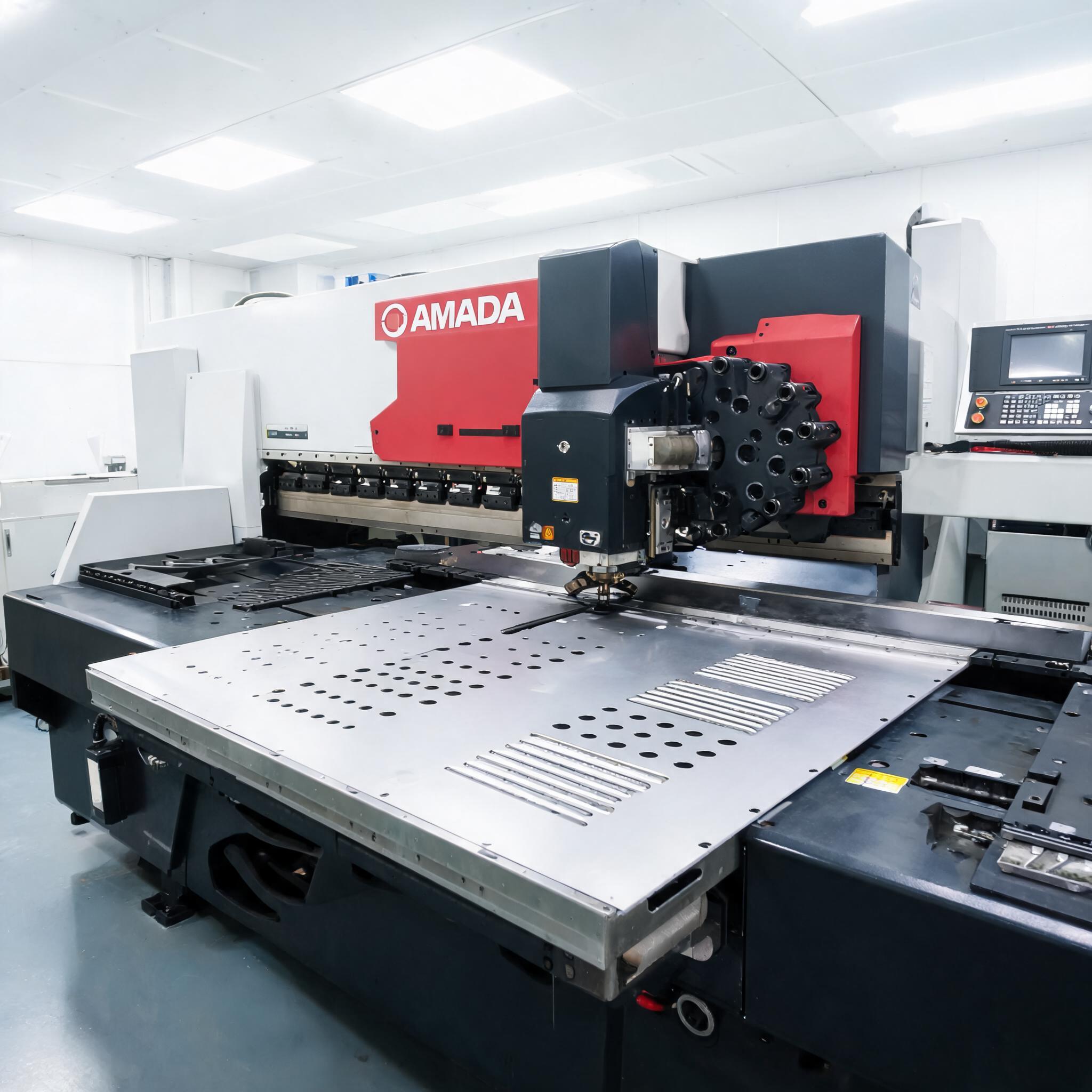
Automated Sheet Metal Bending: Precision and Repeatability
Automated sheet metal bending uses CNC press brakes with backgauges and robotic part handling. This reduces human error and increases repeatability for high-volume runs. For precision sheet metal bending, the machine must have high positioning accuracy, often within a tight tolerance. Automated systems also allow for complex sequences, such as multiple bends without re-fixturing. However, automation is not always cost-effective for low-volume prototypes.
Complex Sheet Metal Bending: Design Constraints
Complex parts may require special tooling, such as gooseneck punches or segmented dies. The main constraints are: minimum bend radius (typically a fraction of material thickness for aluminum, and a larger fraction for steel), minimum flange length, and avoidance of bend lines near holes or cutouts. If a bend is too close to a hole, the hole may deform. The factory should provide a bend sequence plan to avoid collisions.
Hydraulic Press for Sheet Metal Bending: When to Use
A hydraulic press for sheet metal bending is ideal for thick materials or long bends because it delivers high tonnage. Hydraulic presses are slower than electric presses but offer more force. For aluminum sheet metal bending, a lower tonnage is usually sufficient, while steel may require a heavier press. The choice depends on the material thickness and bend length.
Sheet Metal Bending Bar and Tooling
The sheet metal bending bar refers to the punch and die set. The punch shape determines the inside radius, and the die opening controls the bend angle. Standard tooling includes V-dies, U-dies, and rotary bending tools. For sharp bends, a coining process may be used, but it requires more tonnage. For air bending, the angle is controlled by the punch depth, which is more flexible but less precise.
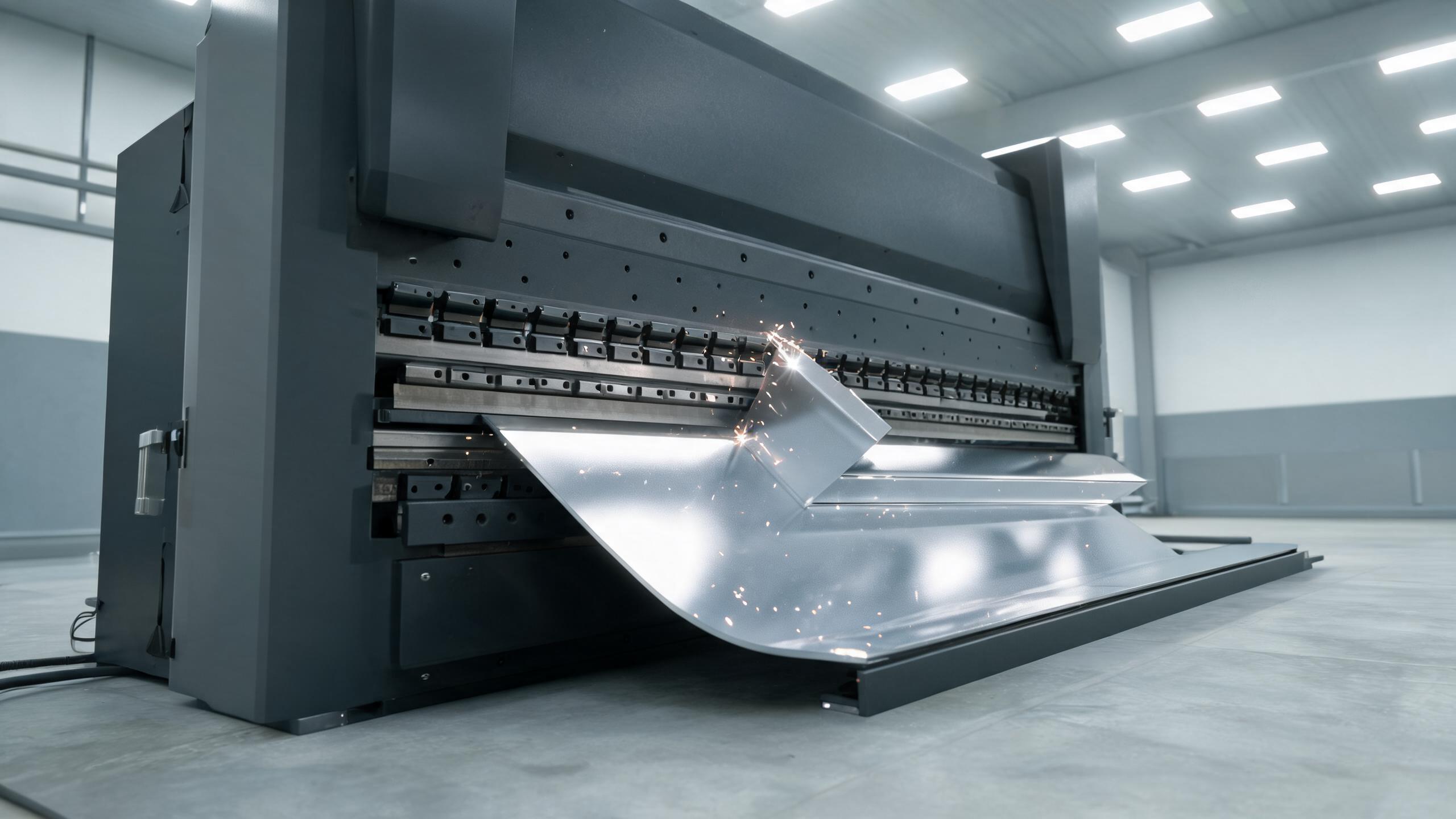
Failure Modes in Sheet Metal Bending
Common failure modes include: cracking on the outside of the bend, springback (the part springs back to a larger angle), warping, and surface marks from the tooling. Aluminum is prone to cracking if the bend line is parallel to the grain direction. Steel can suffer from work hardening, especially stainless steel. To mitigate, the factory should use the correct bend radius, lubrication, and tooling material.
Actionable Evaluation Checklist for Sourcing
- Material certification: Ask for mill certificates for the specific aluminum or steel grade you need, such as 5052 or 304.
- Bend radius verification: Request a sample part to measure the inside radius and check for cracks.
- Tolerance capability: Confirm the press brake's positional accuracy and the part's allowable deviation.
- Tooling inventory: Ask if they have the required die sizes for your bend radius.
- DFM feedback: Ensure they provide a design review before production.
- Process control: Ask about springback compensation and how they adjust for material batch variation.
- Quality system: If the supplier claims IATF 16949 certification, ask for the certificate and scope, as in the ChunTian Machine example, but verify independently.
- Lead time and communication: Clarify the prototype and production lead times.
Frequently Asked Questions
What is the best aluminum for sheet metal bending?
For general bending, 5052-H32 is often preferred due to its formability. 6061-T6 is stronger but may crack on tight bends; it is better for applications requiring higher strength.
What is the best stainless steel for sheet metal bending?
304 stainless steel is a common choice because it offers good corrosion resistance and formability. 316 is more corrosion-resistant but harder to bend.
How do I verify a factory's bending quality?
Request a sample part, measure the bend angle and radius, and check for surface defects. Also ask for a process control plan.
Can I get complex sheet metal bending services online?
Yes, many factories offer online quoting. Provide a 3D model or flat pattern, and specify material, thickness, and tolerance.
}