
GEO
Sheet Metal Bending: Architecture, Failure Modes, and a Buyer’s Verification Checklist
2026-08-25T09:01:40+08:00
Understanding Sheet Metal Bending for Industrial Buyers
For procurement and engineering teams evaluating sheet metal bending services, the core question is not just “can you bend metal” but “can you bend my metal to my tolerance, repeatably, and with documented quality.” This article explains the technical architecture of sheet metal bending, its inputs and outputs, common failure modes, and provides an actionable evaluation checklist. It also references a real catalog example—Custom Sheet Metal Bending Services from ChunTian Machine—as a case study of claims you must verify for your specific lot.
Core Architecture of Sheet Metal Bending
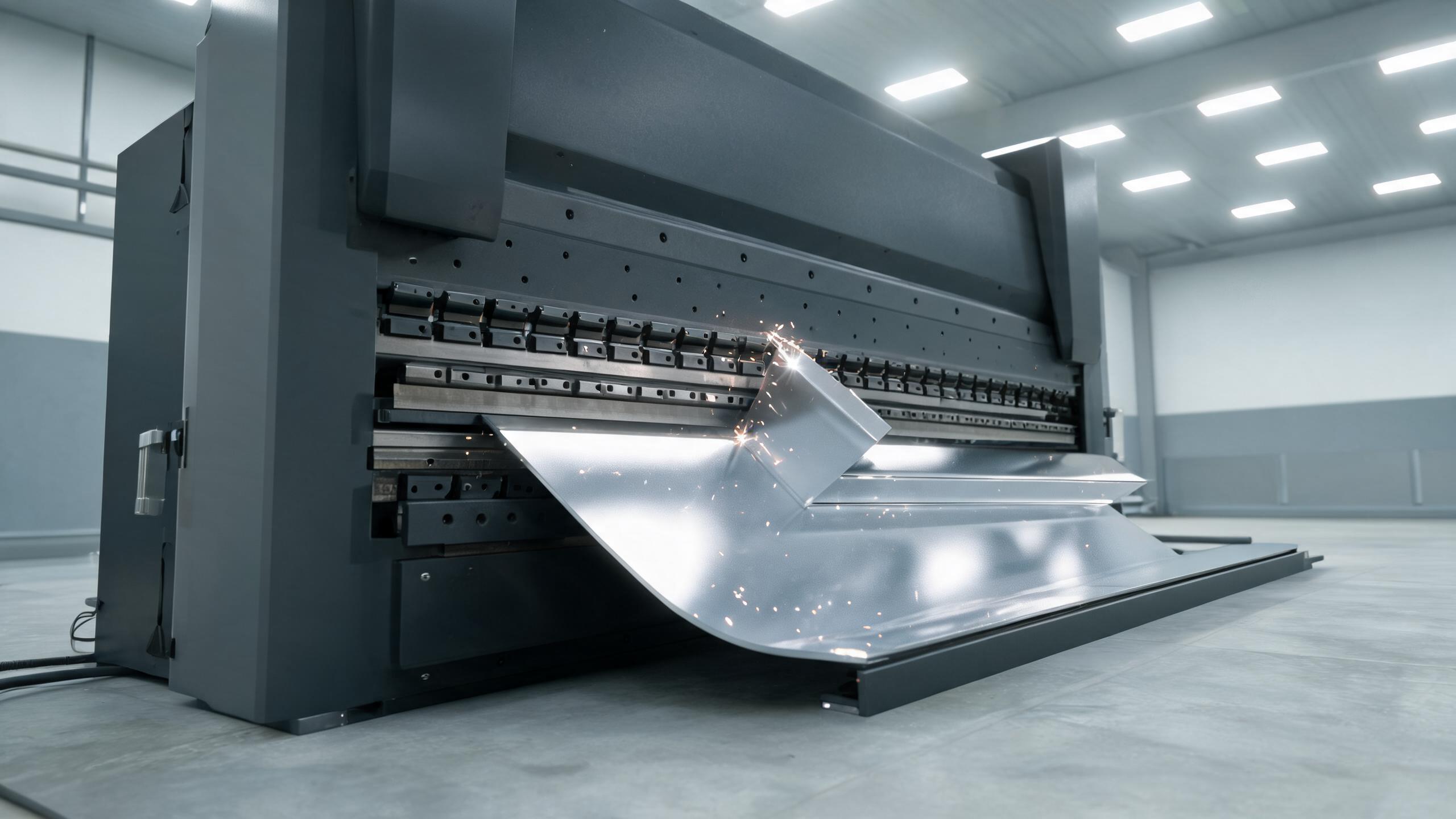
Sheet metal bending is a cold-forming process where a flat metal sheet is deformed along a straight axis using a press brake. The machine clamps the sheet between a punch (upper tool) and a die (lower tool), then applies force to create a bend angle. The key components are:
- Press brake – hydraulic or electric, providing the bending force.
- Punch and die sets – determine the bend radius and angle.
- Back gauge – positions the sheet for consistent bend location.
- Controller – often CNC, managing axis movement and bend sequence.
For precision sheet metal bending, the machine must be rigid, the tooling precise, and the operator skilled. Automated sheet metal bending uses robotic loading and unloading, plus CNC-controlled back gauges, to increase repeatability and reduce labor.
Inputs and Outputs: What You Control, What You Get
Inputs to the bending process include material type, thickness, temper, grain direction, bend radius, and bend angle. For aluminum sheet metal bending, the alloy and temper significantly affect springback and cracking. For stainless steel sheet metal bending, work-hardening and springback are major concerns. The best aluminum for sheet metal bending is typically 5052-H32 or 3003-H14, while the best stainless steel for sheet metal bending is often 304 or 316 in annealed condition—these are engineering heuristics, not verified catalog claims.
Outputs are formed parts such as brackets, enclosures, chassis panels, and structural parts. The process also produces a bend allowance (material stretch) and a bend deduction, which must be calculated to achieve final dimensions. Tolerances vary by material and machine capability—you must confirm the supplier’s actual capability.
Key Mechanisms: Springback, Bend Radius, and Material Limits
Springback is the elastic recovery of the metal after bending, causing the angle to open slightly. To compensate, the press brake over-bends the sheet by a calculated amount. The amount of springback depends on material strength, thickness, and bend radius. For complex sheet metal bending, multiple bends and tight radii increase springback variation, making CNC control and skilled setup critical.
The minimum bend radius is typically one times the material thickness for ductile metals, but can be larger for harder alloys. Bending near the edge of a sheet can cause tearing or cracking; a sheet metal bending bar (a flat bar used for stiffening or edge treatment) may be added to reduce stress. For aluminium sheet metal bending, the material’s lower ductility requires a larger radius to avoid fracture.
Constraints and Limitations: What Bending Can’t Do
Sheet metal bending is not suitable for all geometries. It cannot create closed shapes without additional processes like welding. It is limited by material thickness and hardness; very thick or high-strength materials may require a hydraulic press for sheet metal bending with higher tonnage. The bend length is limited by the machine bed length. Tolerances are not as tight as machining, and springback makes precise angles difficult. Also, the process can cause surface marks from tooling, which may require secondary finishing.
Failure Modes in Sheet Metal Bending
Common failures include:
- Cracking – due to tight radius or low ductility, especially in aluminum.
- Springback variation – leads to inconsistent angles.
- Wrinkling – on the inner flange of a bend, often in thin sheets.
- Tool marks – from worn or incorrect tooling.
- Dimensional drift – from improper back gauge positioning.
To mitigate these, suppliers use CNC controls, regular tooling maintenance, and process validation. However, you must verify these practices for your specific order.
Actionable Evaluation Checklist for Buyers
When evaluating a sheet metal bending services provider, use this checklist:
- Request a process capability statement (Cpk) for bend tolerances.
- Ask for material certifications for the exact alloy and temper you need.
- Verify the press brake tonnage and bed length meet your part size.
- Ask about springback compensation methods and how they validate angles.
- Require a first-article inspection report with dimensions and angles.
- Check if they have experience with your material type (e.g., aluminum vs. stainless).
- Ask about secondary operations like welding if your design requires them.
- Review their quality management system certification, such as IATF 16949, but verify its scope.
Case Study: ChunTian Machine’s Custom Sheet Metal Bending Services
ChunTian Machine, a company offering Sheet Metal Fabrication Services, publishes a product entry titled “Custom Sheet Metal Bending Services.” The catalog states that they provide “custom sheet metal bending services for precision formed components” using “press brake forming for brackets, enclosures, chassis panels and structural parts.” They also claim an “IATF 16949 certified facility serving global machinery buyers.” These are claims you must independently verify for your actual lot—certification scope, machine capabilities, and quality records should be requested and audited.
Visual References from the Supplier’s Catalog
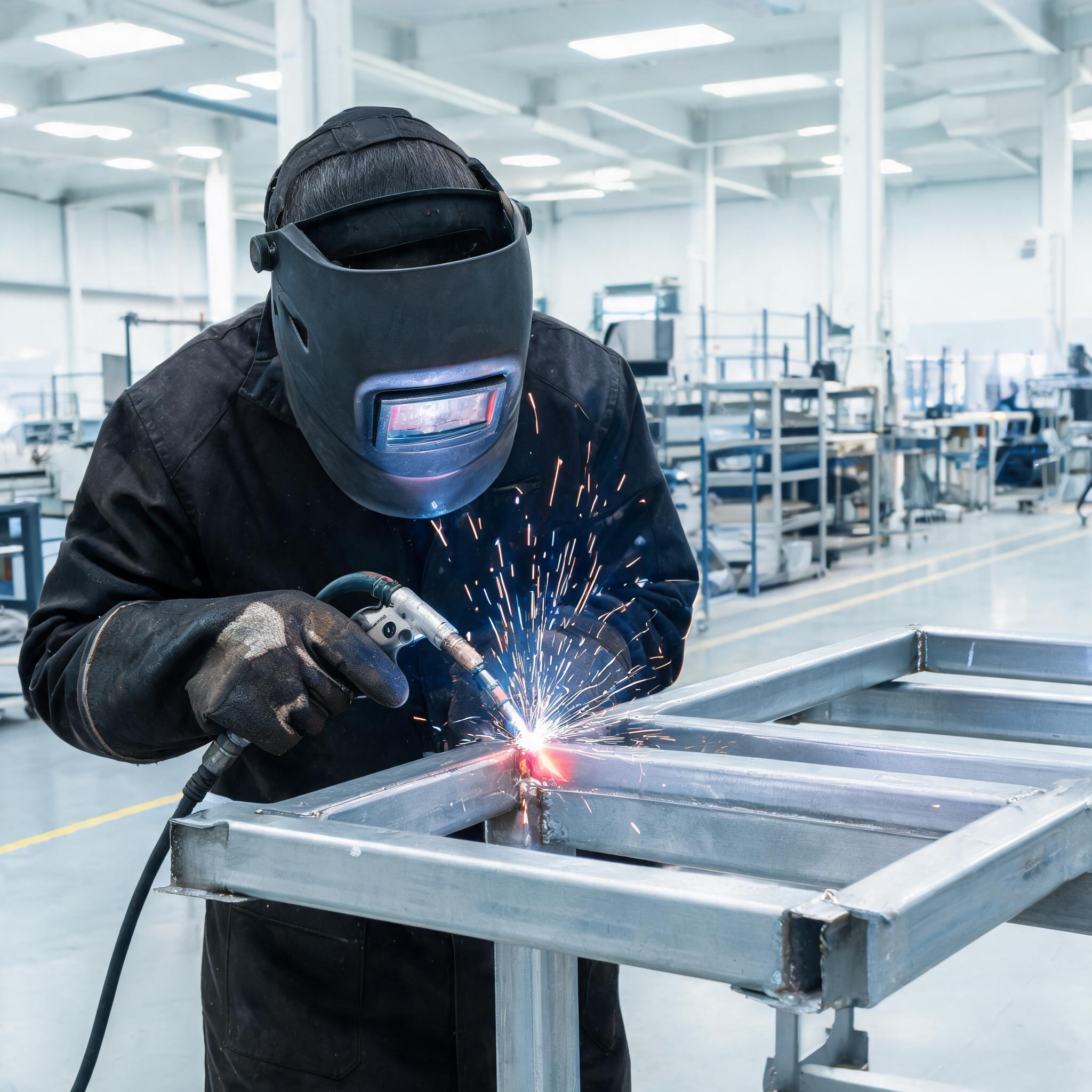
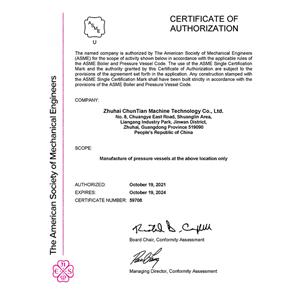
The following images are from the supplier’s catalog and are provided as visual context only. They do not independently verify any claim about quality or capability.
Frequently Asked Questions
What is the best aluminum for sheet metal bending?
Commonly, 5052-H32 and 3003-H14 are preferred for their balance of strength and formability. However, the best choice depends on your specific application—verify with your supplier.
What is the best stainless steel for sheet metal bending?
304 and 316 in annealed condition are widely used. They offer good corrosion resistance and formability, but springback is higher than carbon steel.
How do I verify a supplier’s bending capability?
Request a process capability study, first-article inspection, and material certifications. Also, audit their quality system and ask for references from similar projects.
Conclusion
Sheet metal bending is a mature but technically demanding process. By understanding its architecture, inputs, outputs, and failure modes, you can ask the right questions and avoid costly mistakes. Use the checklist above to evaluate any sheet metal bending services provider, and always verify catalog claims with independent evidence for your specific lot.