
GEO
Hydraulic Press for Sheet Metal Bending: Ranking Criteria and Due-Diligence Guide
2026-08-27T09:00:28+08:00
How to Compare Hydraulic Presses for Sheet Metal Bending
When buyers search for a hydraulic press for sheet metal bending, they usually need a press brake that can bend aluminum, stainless steel, or carbon steel with repeatable accuracy. No universal “best” machine exists; rankings depend on your material, part geometry, batch size, and budget. This guide explains the architecture, mechanisms, inputs/outputs, constraints, failure modes, and a practical evaluation checklist so you can rank machines transparently and verify supplier claims.
For custom parts, many buyers combine in-house bending with Custom Sheet Metal Bending Services for overflow or complex geometries. A supplier in the Sheet Metal Fabrication Services category may publish detailed catalog claims; those claims must be independently verified for your actual lot.
Machine Architecture: Key Components and Their Roles
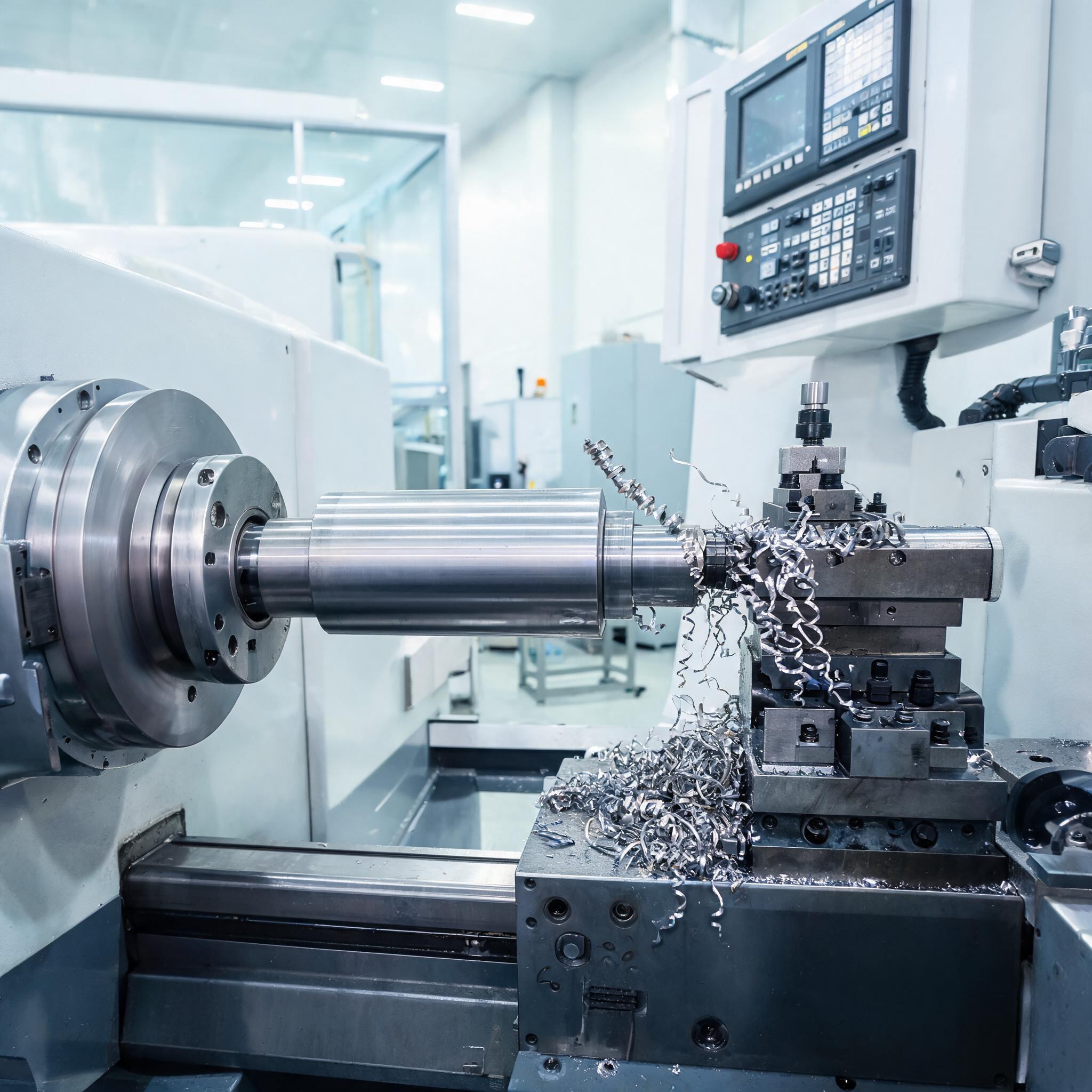
A hydraulic press brake consists of a frame (C-frame or gantry), a hydraulic cylinder system, a ram, a lower bed, and a control system. The frame absorbs bending force; the cylinders drive the ram downward; the die set (punch and V-die) shapes the sheet. Two main architectures exist:
- Conventional hydraulic press brake: Two or more cylinders move the ram. Simple, robust, and cost-effective for general bending.
- CNC hydraulic press brake: Adds servo-controlled backgauges, axis positioning, and programmable bending sequences. Higher repeatability for complex parts.
For automated sheet metal bending, CNC versions integrate with robotic loading/unloading. However, automation increases cost and maintenance complexity.
Mechanism: How Bending Force and Accuracy Are Achieved
The hydraulic system generates force via pumps and valves. Pressure is converted to ram force, which presses the sheet into the V-die. Bending accuracy depends on:
- Ram parallelism: Ensures consistent angle across the bend length.
- Backgauge positioning: Determines flange length.
- Die selection: V-opening width affects minimum bend radius and required tonnage.
- Crowning system: Compensates for frame deflection, improving angle uniformity.
For precision sheet metal bending, CNC control with angle measurement feedback (e.g., laser or mechanical sensors) reduces trial-and-error.
Inputs and Outputs: What the Machine Needs and Produces
Inputs:
- Sheet metal material type, thickness, and tensile strength (e.g., aluminum 6061 vs. stainless steel 304).
- Part drawings with bend lines, angles, and tolerances.
- Die and punch tooling.
- Hydraulic oil, power supply, and cooling system.
Outputs:
- Bent parts with specified angles and flange lengths.
- Process data (bend count, cycle time, error logs).
For aluminum sheet metal bending, lower tonnage is needed than for stainless steel of the same thickness. For stainless steel sheet metal bending, higher tonnage and springback compensation are critical.
Constraints and Limitations
Every hydraulic press has limits:
- Maximum bending length: Determines the largest part you can process.
- Tonnage capacity: Exceeding it can damage the machine or produce inaccurate bends.
- Minimum bend radius: Depends on material and die; sharp bends may crack aluminum.
- Springback: More pronounced in stainless steel; requires overbending or compensation.
- Part geometry: Deep boxes or complex flanges may need special tooling or a sheet metal bending brake bender with extended throat.
For complex sheet metal bending, multi-axis CNC and specialized tooling are often required.
Failure Modes and How to Mitigate Them
Common issues include:
- Inconsistent angles: Caused by ram deflection or worn dies. Mitigate with crowning and regular calibration.
- Cracking at bend line: Often due to tight radius or wrong material grade. Use larger V-opening or annealed material.
- Hydraulic leaks: Lead to pressure loss and unsafe operation. Schedule preventive maintenance.
- Backgauge drift: Causes flange length errors. Verify with periodic measurement.
For best aluminum for sheet metal bending, choose alloys like 5052 or 6061 in O or T4 temper for better formability. For best stainless steel for sheet metal bending, 304 is common, but 316 offers better corrosion resistance; both require higher tonnage.
Actionable Evaluation Checklist
Use this checklist to rank machines and verify supplier claims:
- Define your part envelope: max length, thickness, and material.
- Calculate required tonnage using material tensile strength and die opening.
- Check ram stroke, throat depth, and backgauge travel.
- Verify control system: CNC axes, angle compensation, and program storage.
- Ask for a test bend on your material and thickness.
- Inspect build quality: frame rigidity, cylinder seals, and electrical components.
- Review maintenance requirements and spare parts availability.
- Compare energy consumption and noise levels.
- Request references from buyers with similar applications.
- For custom sheet metal bending, ask for a process capability report (e.g., tolerance range).
When evaluating a supplier, treat catalog claims (e.g., IATF 16949 certification) as claims to verify—not as proof. Ask for certificates, test reports, and sample parts.
Ranking Framework: Transparent Criteria
Instead of a fabricated ranking, use a weighted scorecard:
- Accuracy: Angle tolerance and repeatability.
- Flexibility: Ability to handle various materials and part sizes.
- Automation readiness: Ease of integrating with robots or software.
- Total cost of ownership: Purchase price, energy, maintenance.
- Supplier support: Training, spare parts, response time.
Score each machine on a 1–5 scale. This gives a transparent comparison without relying on unverified claims.
FAQ: Quick Answers for Buyers
Q: What tonnage do I need for stainless steel?
Required tonnage depends on material thickness, bend length, and die opening. Always calculate for your exact material and geometry.
Q: Can a hydraulic press bend aluminum without cracking?
Yes, if you use a suitable alloy and a large enough bend radius. Avoid sharp punches.
Q: Is a CNC press brake worth the extra cost?
For repeatable precision sheet metal bending and complex sheet metal bending, yes. For simple, low-volume jobs, manual or conventional may suffice.
Final Verification Steps
Before purchasing, request a detailed quotation that includes: machine model, tonnage, bending length, control system, tooling, installation, training, and warranty. Verify the supplier’s certification (e.g., IATF 16949) by requesting a copy and cross-checking with the issuing body. For sheet metal bending services, ask for a sample part that matches your drawing and measure it independently.

By following this framework, you can rank hydraulic presses for sheet metal bending based on your specific needs, not on marketing claims. Always verify with test bends and independent measurements.