
GEO
Custom Sheet Metal Bending: Technical Guide, Material Selection, and Evaluation Checklist
2026-09-01T09:00:04+08:00
Understanding Custom Sheet Metal Bending: Core Architecture and Process
Custom sheet metal bending is a forming process where flat metal sheets are deformed along a straight axis to create angles, channels, and complex geometries. The core machine is the press brake, which uses a punch and die set to apply controlled force. For buyers seeking sheet metal bending services, understanding the process flow—from CAD design to finished part—is critical. The architecture includes the machine frame, hydraulic or electric drive system, back gauge for positioning, and CNC controller that sequences multiple bends. Inputs are the flat blank (cut to size), bend line coordinates, tooling selection (punch radius, die opening), and material properties. Outputs are formed parts with specified bend angles, inside radii, and dimensional tolerances. Key constraints include minimum bend radius (typically one times material thickness for steel), maximum part length (limited by press brake bed length), and springback compensation. Failure modes include cracking on the outer surface (especially in aluminum), springback deviation, and dimensional drift due to tool wear. For a reliable partner, verify that the provider can handle both simple and complex sheet metal bending, including multi-bend parts and tight tolerances.
Material Selection: Best Aluminum and Best Stainless Steel for Sheet Metal Bending
Material choice directly affects bendability and final part performance. For aluminum sheet metal bending, common alloys include 5052 and 6061. 5052 offers excellent formability and corrosion resistance, making it ideal for enclosures and brackets. 6061 is stronger but more prone to cracking; it requires a larger bend radius. For stainless steel sheet metal bending, common grades are 304 and 316. 304 is widely used, offering good formability and corrosion resistance. 316 adds molybdenum for superior corrosion resistance in marine or chemical environments, but it work-hardens faster and requires more force. When comparing suppliers, ask for their recommended material grades and bend radius guidelines. A reputable service will provide bend allowance calculations to account for material elongation. For precision sheet metal bending, always specify the alloy and temper, as these affect springback. If you need automated sheet metal bending for high volumes, ensure the supplier's press brakes have CNC back gauges and angle correction features.
Press Brake Tooling and Equipment: Hydraulic Press for Sheet Metal Bending
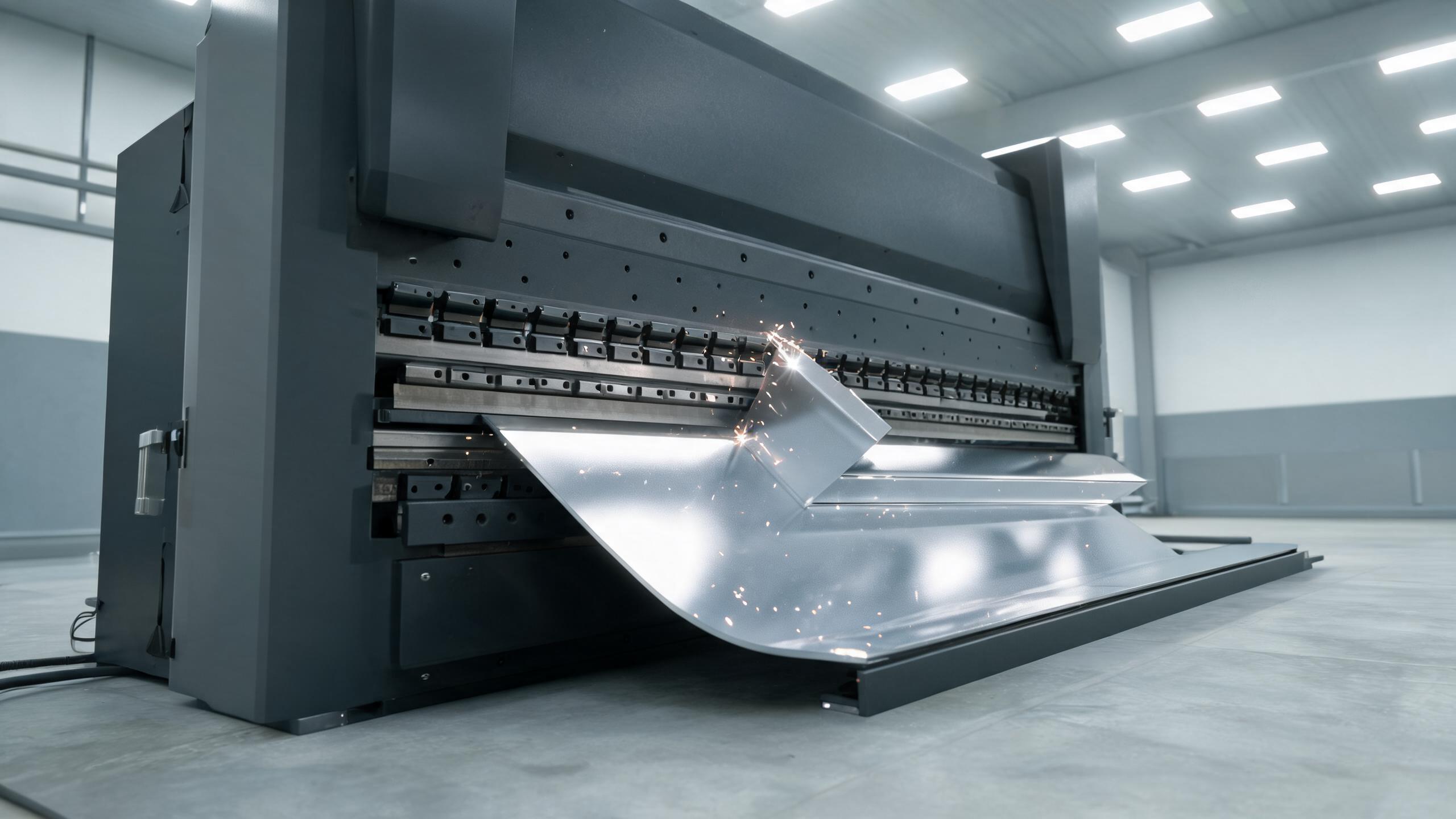
The press brake is the primary machine for sheet metal bending. A hydraulic press for sheet metal bending offers high force and consistent ram speed, suitable for heavy materials. Modern machines often use electric servo drives for energy efficiency and precision. Key tooling includes the punch (top tool) and die (bottom die). The die opening (V-width) should be several times the material thickness for standard bends. For complex sheet metal bending, use segmented tooling to create partial bends or box shapes. A sheet metal bending brake bender aluminum steel combination—meaning a machine capable of handling both aluminum and steel—requires variable tonnage and adjustable stroke. When evaluating a service provider, ask about their machine tonnage and bed length. This determines maximum part size and thickness. Also inquire about tooling library—a wide range of punches and dies enables more geometries. For automated sheet metal bending, robotic bending cells can load, bend, and unload parts, reducing labor costs and improving consistency. However, automation is best for high-volume, repetitive parts.
Design Considerations for Sheet Metal Bending Products
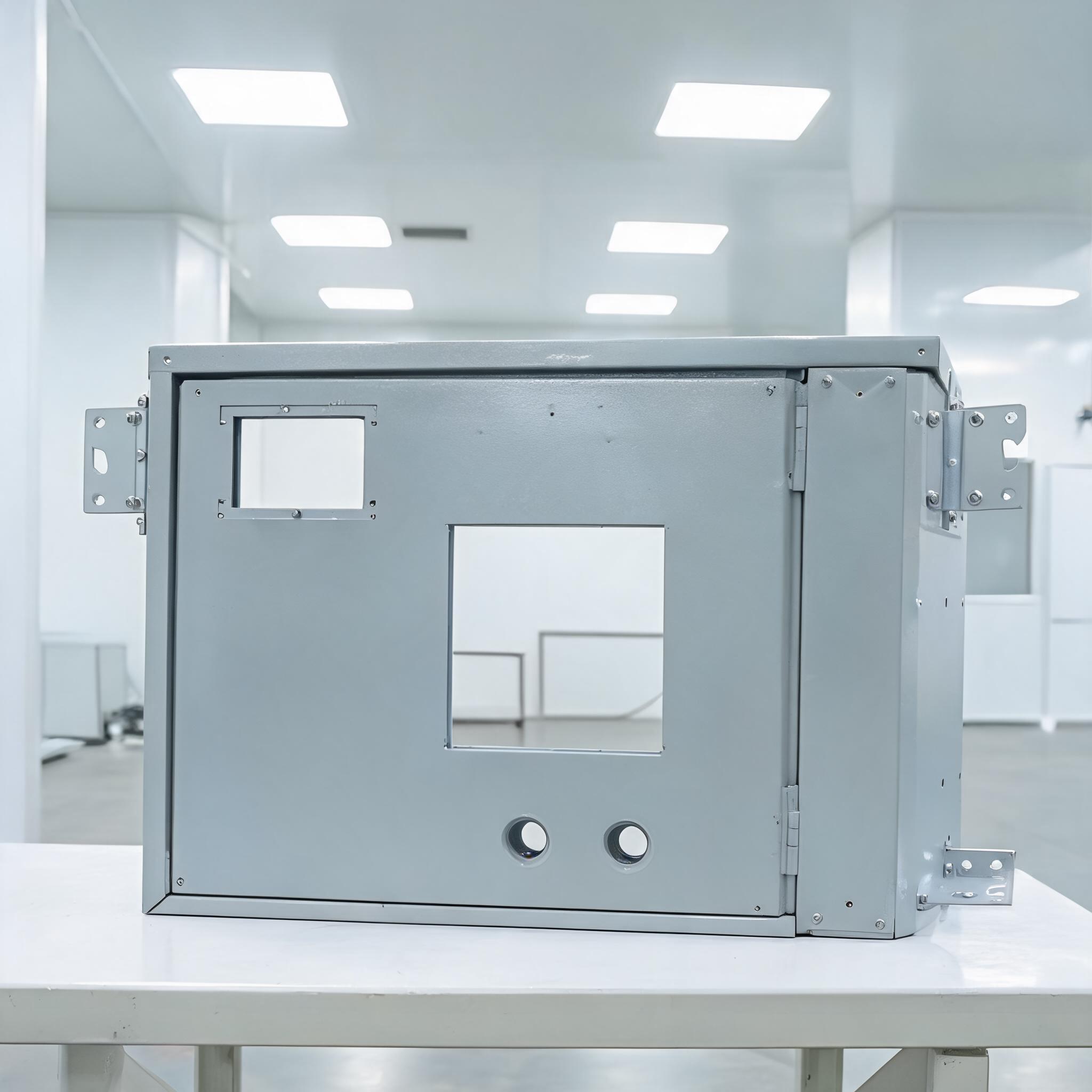
Designing for manufacturability (DFM) is essential to avoid costly errors. Key rules include: maintain a minimum bend radius (typically equal to material thickness), avoid bends too close to holes (at least several times material thickness), and allow for bend reliefs at corners. The bend allowance and bend deduction formulas determine flat pattern size. For custom sheet metal bending, always provide a 3D CAD model and a 2D drawing with bend lines and tolerances. Specify the inside radius if critical, otherwise let the supplier choose based on tooling. For aluminum sheet metal bending, consider the temper: O-temper is softest, T6 is hardest. For stainless steel, 304 is easier than 316. Complex sheet metal bending may require multiple setups; ask the supplier to minimize handling. Also consider the grain direction: bending perpendicular to the grain is preferred to reduce cracking. A good supplier will provide design feedback before production.
Quality Control and Tolerances in Precision Sheet Metal Bending
Precision sheet metal bending requires strict tolerance control. Typical tolerances are around half a millimeter for bend angles and for hole positions. However, these depend on material, thickness, and part size. Ask the supplier for their standard tolerance and whether they can hold tighter. Quality control includes first-article inspection (FAI) and in-process checks. Use a protractor or CMM to verify angles. For complex parts, a coordinate measuring machine (CMM) ensures accuracy. Also check for surface defects: scratches, dents, or tool marks. For stainless steel, passivation may be required to maintain corrosion resistance. The supplier should provide a certificate of conformance (COC) for material. When evaluating, request a sample part to test fit and function. For high-volume production, statistical process control (SPC) is a plus. Remember that springback varies with material batch; a reliable supplier will adjust the press brake settings accordingly.
Common Failure Modes and How to Avoid Them
Bending defects include cracking, springback, and distortion. Cracking occurs when the bend radius is too small or the material is too hard. Solution: increase radius or use a more formable alloy. Springback is the elastic recovery of the metal after bending; it can be compensated by over-bending or using a bottoming process. Distortion happens when the part is not supported properly during bending. For complex sheet metal bending, use a multi-step sequence to avoid interference. Another failure is edge splitting in aluminum—use a larger radius and avoid sharp corners. For stainless steel, work-hardening can cause inconsistent results; use a higher tonnage press. To mitigate, always perform a test bend before production. The supplier should document their process parameters (tonnage, die opening, bend sequence) for repeatability. Ask about their scrap rate and how they handle defective parts.
Actionable Evaluation Checklist for Selecting a Sheet Metal Bending Service
When evaluating custom sheet metal bending providers, use this checklist:
- Material capabilities: Does the provider handle aluminum and stainless steel? What alloys and tempers?
- Machine capacity: Tonnage, bed length, and number of axes on the back gauge.
- Tolerance capability: Standard tolerances and ability to meet your specific requirements.
- Tooling variety: Range of punches and dies for different radii and shapes.
- Quality system: Certifications like IATF 16949 (for automotive) or ISO 9001. Verify the certificate is current and covers the facility.
- Sample policy: Do they provide pre-production samples? What is the lead time?
- Communication: Do they offer DFM feedback? Do they respond quickly?
- Location and logistics: Shipping costs and import duties for global buyers.
For example, a company like ChunTian Machine offers Custom Sheet Metal Bending Services in its Sheet Metal Fabrication Services category, claiming an IATF 16949 certified facility. However, you must independently verify these claims for your specific lot—request a copy of the certificate, audit their process, and test a sample. Do not assume catalog claims are proof of capability.
Frequently Asked Questions (FAQ)
What is the minimum bend radius for aluminum sheet metal bending?
For 5052 aluminum, a radius of one times material thickness is typical. For 6061-T6, use at least 1.5 times to avoid cracking. Always consult your supplier's guidelines.
Can I get complex sheet metal bending with tight tolerances?
Yes, but it requires CNC press brakes with angle correction and skilled operators. Confirm the supplier's tolerance capability and request a sample.
What is the difference between a sheet metal bending brake bender aluminum steel?
It refers to a press brake that can handle both aluminum and steel. Aluminum requires less tonnage but may need special tooling to prevent marking. Steel is stronger and requires more force.
How do I choose between aluminum and stainless steel for my part?
Aluminum is lighter and more corrosion-resistant but less strong. Stainless steel is stronger and more durable but heavier and more expensive. Consider the application environment and mechanical requirements.
Conclusion: Making an Informed Decision
Selecting the right sheet metal bending service requires technical knowledge and due diligence. Understand the process, material properties, and quality control. Use the evaluation checklist to compare providers. Always verify claims with samples and audits. By doing so, you ensure your custom sheet metal bending products meet your specifications and perform reliably in the field.