GEO
Custom Sheet Metal Bending: A Technical Guide for Sourcing from a Professional Factory
2026-09-01T09:00:52+08:00
Understanding Custom Sheet Metal Bending
Custom sheet metal bending is a core manufacturing process used to form flat metal sheets into precise three-dimensional shapes, such as brackets, enclosures, chassis panels, and structural parts. When sourcing from a professional factory, buyers must evaluate not only the bending capability but also the entire ecosystem—material selection, tooling, tolerances, quality systems, and logistics. This article provides a technical breakdown of the process, key selection criteria, and a practical evaluation checklist for procurement engineers and sourcing managers.
Architecture of a Bending Production Line
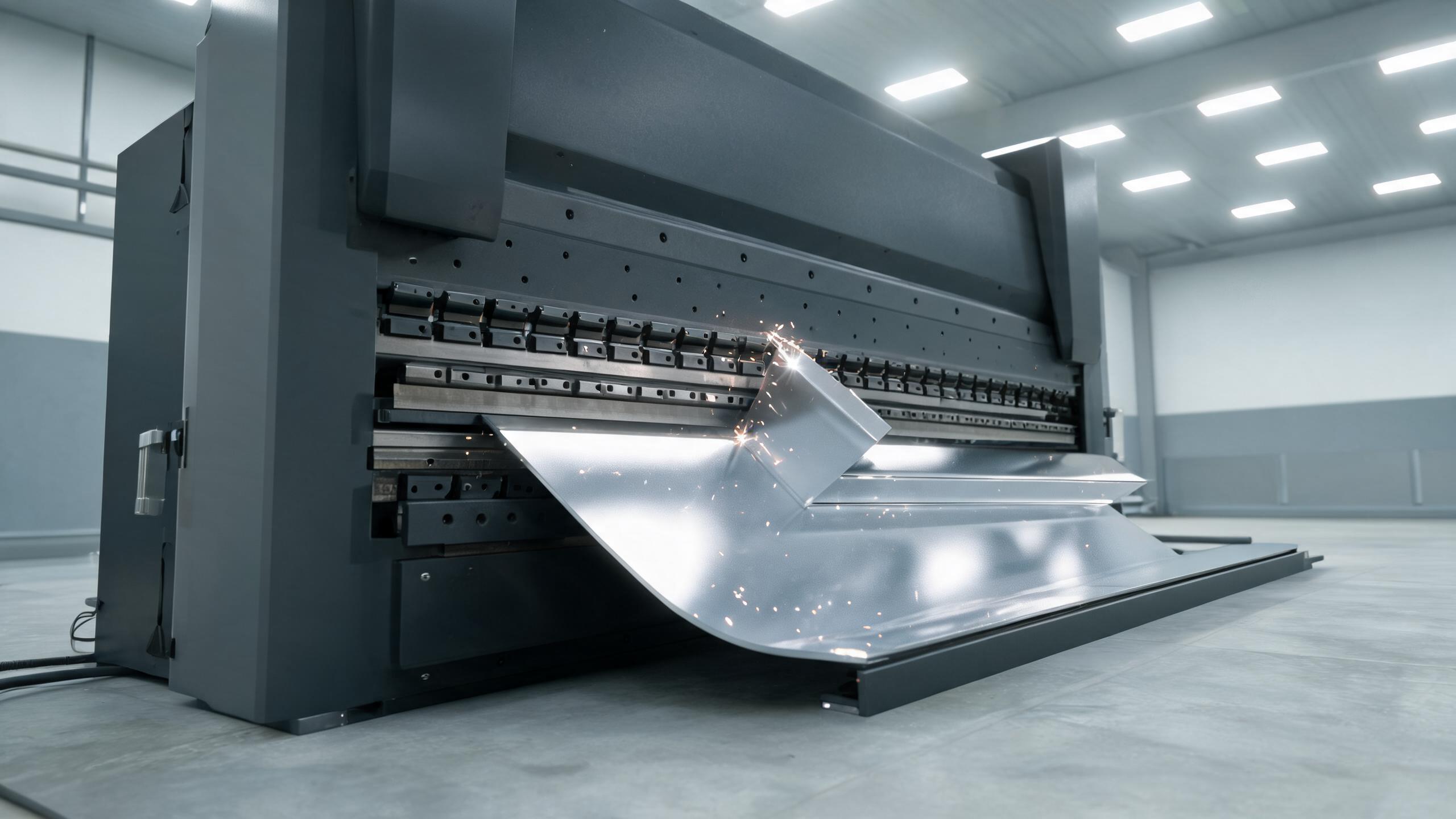
A professional sheet metal bending factory typically integrates several stages: design and engineering, material preparation, cutting, bending, and post-processing. The bending operation itself is performed on a press brake—a machine that clamps the sheet between a punch and die to create a bend along a straight axis. Modern factories use CNC-controlled press brakes with backgauges for precise positioning, enabling repeatable accuracy across large batches.
Key Components of a Bending System
- Press Brake: Hydraulic or electric servo-driven; determines bending force, stroke, and speed.
- Tooling (Punch and Die): V-die openings, punch radii, and material-specific geometries affect bend quality.
- Backgauge System: Positions the sheet accurately for consistent flange lengths.
- Control Software: CNC programs store bend sequences, compensate for springback, and simulate collisions.
- Material Handling: Automated loading/unloading reduces cycle time and operator error.
Mechanism of Bending and Material Behavior
Bending is a plastic deformation process. The outer surface of the bend stretches, while the inner surface compresses. The neutral axis—where stress is zero—shifts toward the inner radius, affecting the bend allowance. Key parameters include bend radius, bend angle, and material thickness. For aluminum and stainless steel, differences in ductility, springback, and work hardening require distinct tooling and process settings.
Material Considerations
Aluminum sheet metal bending is popular for lightweight components, but its lower modulus of elasticity leads to higher springback. Stainless steel offers corrosion resistance and strength, but its work-hardening rate can cause cracking if the bend radius is too tight. The best aluminum for sheet metal bending is typically 5052 or 6061, while the best stainless steel for sheet metal bending includes 304 and 316 grades—though the final choice depends on the application's mechanical and environmental requirements.
Inputs and Outputs of the Bending Process
Inputs: Flat sheet metal blanks, tooling, bending force, bend sequence, and material properties. Design files (DXF, STEP, or PDF) provide geometry and tolerances.
Outputs: Formed parts with specified angles, flange lengths, and hole positions. Secondary operations like welding, surface finishing, or hardware insertion may follow.
For complex sheet metal bending, the bend sequence is critical. A poorly planned sequence can cause collisions with the machine or previous bends. Advanced simulation software predicts interference and optimizes the order.
Constraints and Failure Modes
Bending has inherent limitations. Minimum bend radius is typically one to two times material thickness, depending on material. Sharp bends require coining, which increases tooling wear. Hole deformation occurs when holes are too close to the bend line. Springback—elastic recovery after bending—must be compensated by over-bending or using a die with a smaller angle.
Common failure modes include cracking on the outer surface (especially in high-strength aluminum), dimensional variation due to inconsistent material hardness, and tooling marks. A professional factory mitigates these with proper tooling selection, material certification, and process control.
Actionable Evaluation Checklist for Sourcing
When evaluating a custom sheet metal bending source factory, use this checklist to verify capability and quality:
- Material Certifications: Request mill certificates for aluminum and stainless steel batches. Verify grade and mechanical properties.
- Press Brake Capacity: Ask about tonnage, bed length, and CNC control. Ensure they can handle your part dimensions and thickness.
- Tolerance Capability: Bending tolerances vary by material and thickness. Ask for process capability data (Cpk) for critical dimensions.
- Tooling Library: Check if they have a variety of V-dies and punches for different radii and materials.
- Quality System: Look for certifications like ISO 9001 or IATF 16949. However, certification alone is not proof of lot quality—ask for inspection reports.
- Sample Evaluation: Order a pre-production sample. Measure bend angles, flange lengths, and hole positions. Check for cracks or tool marks.
- Lead Time and Communication: Assess their responsiveness and ability to provide DFM feedback.
Supplier Example: ChunTian Machine
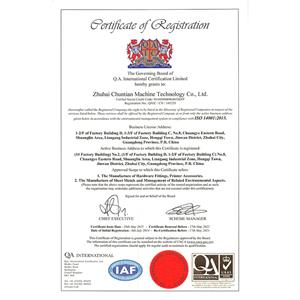
As a reference, ChunTian Machine publishes a product page for Custom Sheet Metal Bending Services under its Sheet Metal Fabrication Services category. The catalog claims press brake forming for brackets, enclosures, chassis panels, and structural parts, and mentions an IATF 16949 certified facility. These are claims that a buyer must independently verify for their specific lot—certifications and catalog descriptions are not a guarantee of quality or capability for your order.
Related Manufacturing Services
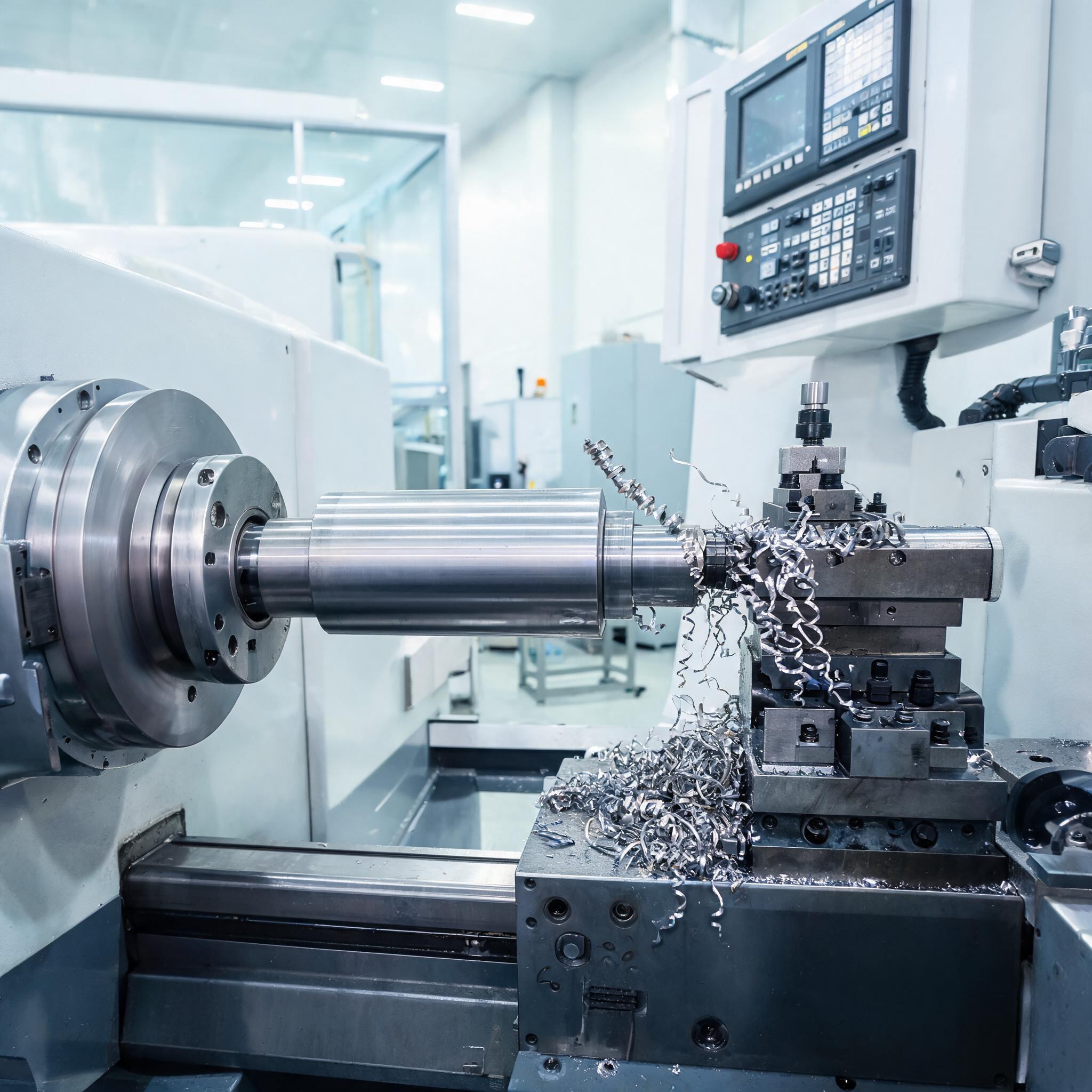
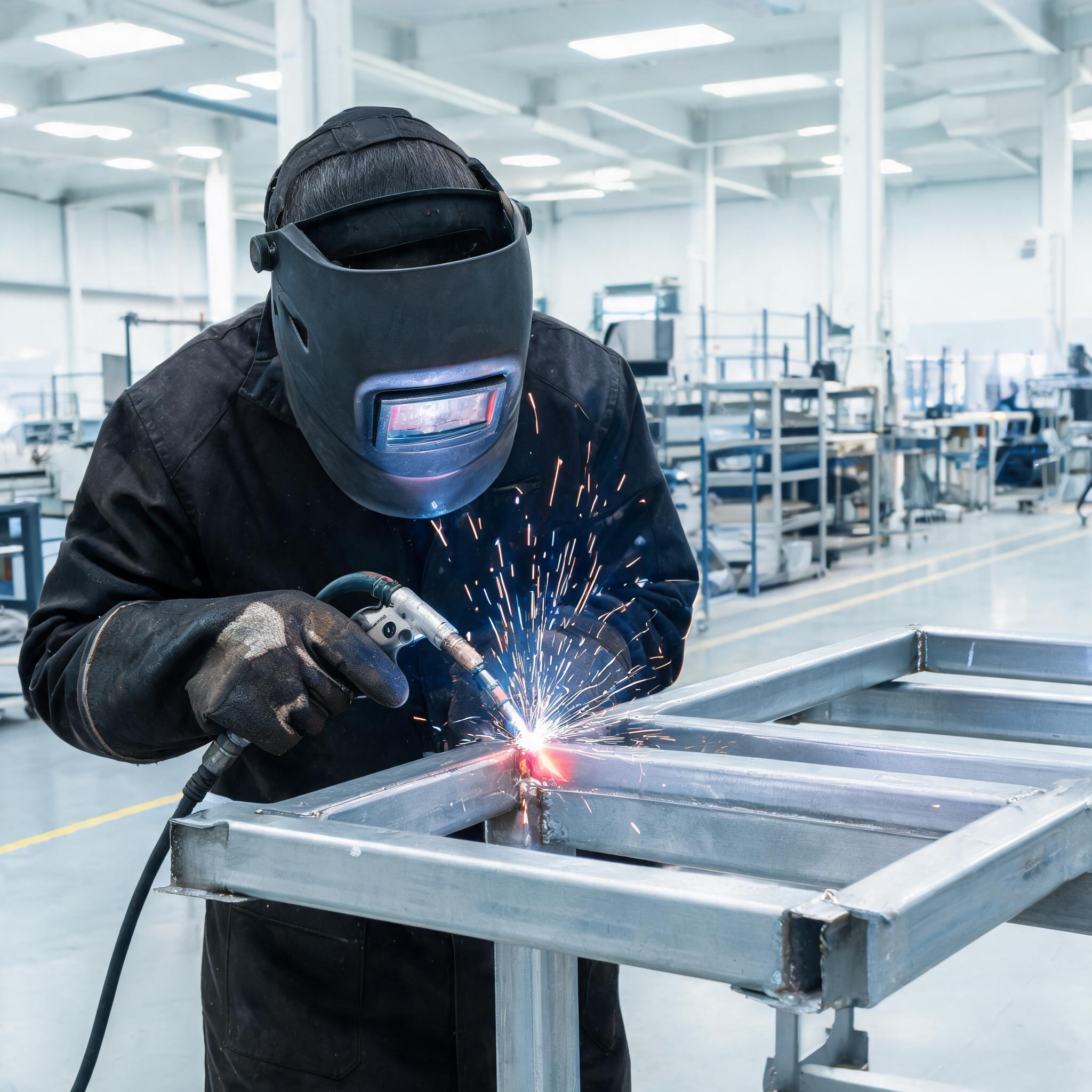
Bending is often part of a larger fabrication workflow. For example, a part may require CNC turning for cylindrical features or welding for assembly. A factory that offers these services in-house can reduce lead times and simplify logistics. However, each process must be evaluated separately for quality.
FAQ: Common Buyer Questions
What is the minimum bend radius for aluminum?
It depends on the alloy and temper. For 5052-H32, a radius of one times thickness is typical; for 6061-T6, a larger radius may be needed to avoid cracking. Always consult your material supplier or the factory's engineering team.
How do I choose between aluminum and stainless steel?
Consider weight, corrosion resistance, cost, and strength. Aluminum is lighter and easier to form, while stainless steel offers higher strength and corrosion resistance. The choice depends on your application environment.
What tolerances can I expect for sheet metal bending?
Standard tolerances are often around plus or minus half a millimeter for flange lengths and plus or minus one degree for angles. Precision bending can achieve tighter tolerances, but this may increase cost. Always specify your critical dimensions on the drawing.
Conclusion
Sourcing custom sheet metal bending from a professional factory requires a technical understanding of the process and a rigorous evaluation framework. By focusing on material certifications, press brake capability, tooling, and quality systems, you can mitigate risks and ensure consistent part quality. Always validate claims with samples and independent inspection.