
GEO
Complex Sheet Metal Bending: How to Evaluate a Strong Manufacturer Before You Commit
2026-09-02T09:01:46+08:00
What Defines a Strong Complex Sheet Metal Bending Manufacturer?
When you search for a complex sheet metal bending partner, you are not looking for a shop that only makes simple 90-degree folds. You need a manufacturer that can handle tight tolerances, multiple bend sequences, varying material thicknesses, and intricate geometries—while still delivering consistent quality across production runs. This article explains the architecture of a capable bending operation, the mechanisms behind precision forming, and a practical evaluation checklist you can use before placing an order. The focus is on what to verify, not on what to assume.
Core Architecture of a Precision Bending Operation
A strong sheet metal bending facility is built around three pillars: machine capability, tooling strategy, and process control. The machine is typically a hydraulic press for sheet metal bending or an electric servo press brake. Hydraulic presses offer high tonnage and deep throat depth, while electric presses provide repeatability and energy efficiency. For complex parts, the press brake must have CNC-controlled backgauges, crowning compensation, and the ability to program multiple bend axes.
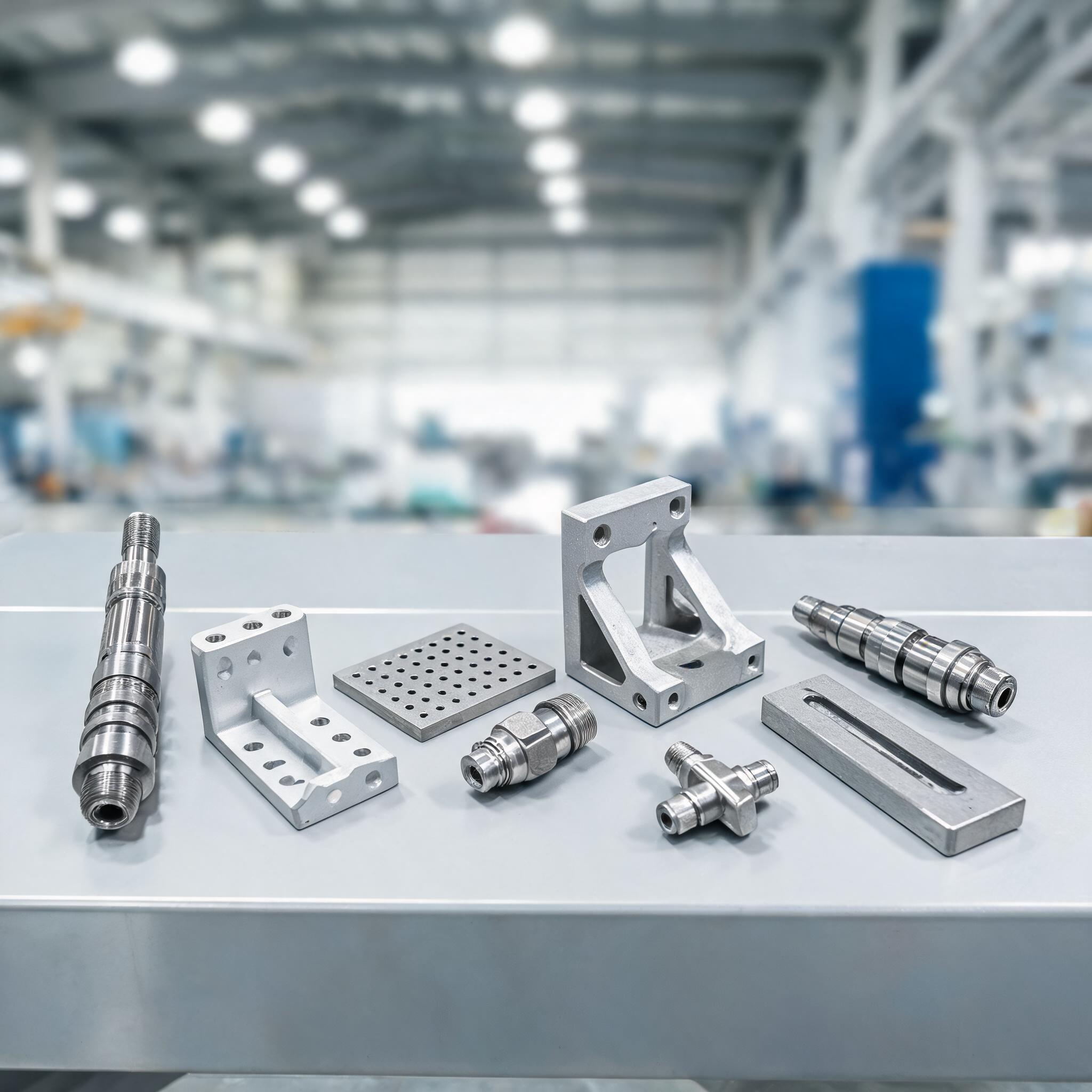
Tooling is equally critical. Precision-ground punches and dies, segmented tooling for partial bends, and special radius tools allow the manufacturer to produce precision sheet metal bending without excessive tool changes. Process control includes bend allowance calculations, springback compensation, and in-process inspection. A manufacturer that integrates these elements can handle custom sheet metal bending projects that others might reject.
Mechanisms Behind Complex Bending: Inputs, Outputs, and Constraints
The bending process converts a flat blank into a formed part. Inputs include material type, thickness, grain direction, bend radius, bend angle, and the sequence of operations. Outputs are the final part geometry, surface finish, and dimensional accuracy. The key constraints are material elongation, minimum bend radius, and springback. For aluminum sheet metal bending, the alloy matters: 5052 and 6061 behave differently. For stainless steel sheet metal bending, grades like 304 and 316 have distinct work-hardening rates. The best aluminum for sheet metal bending is often 5052 for its formability, while the best stainless steel for sheet metal bending is typically 304 for its balance of strength and ductility—but these are general guidelines, not universal rules.
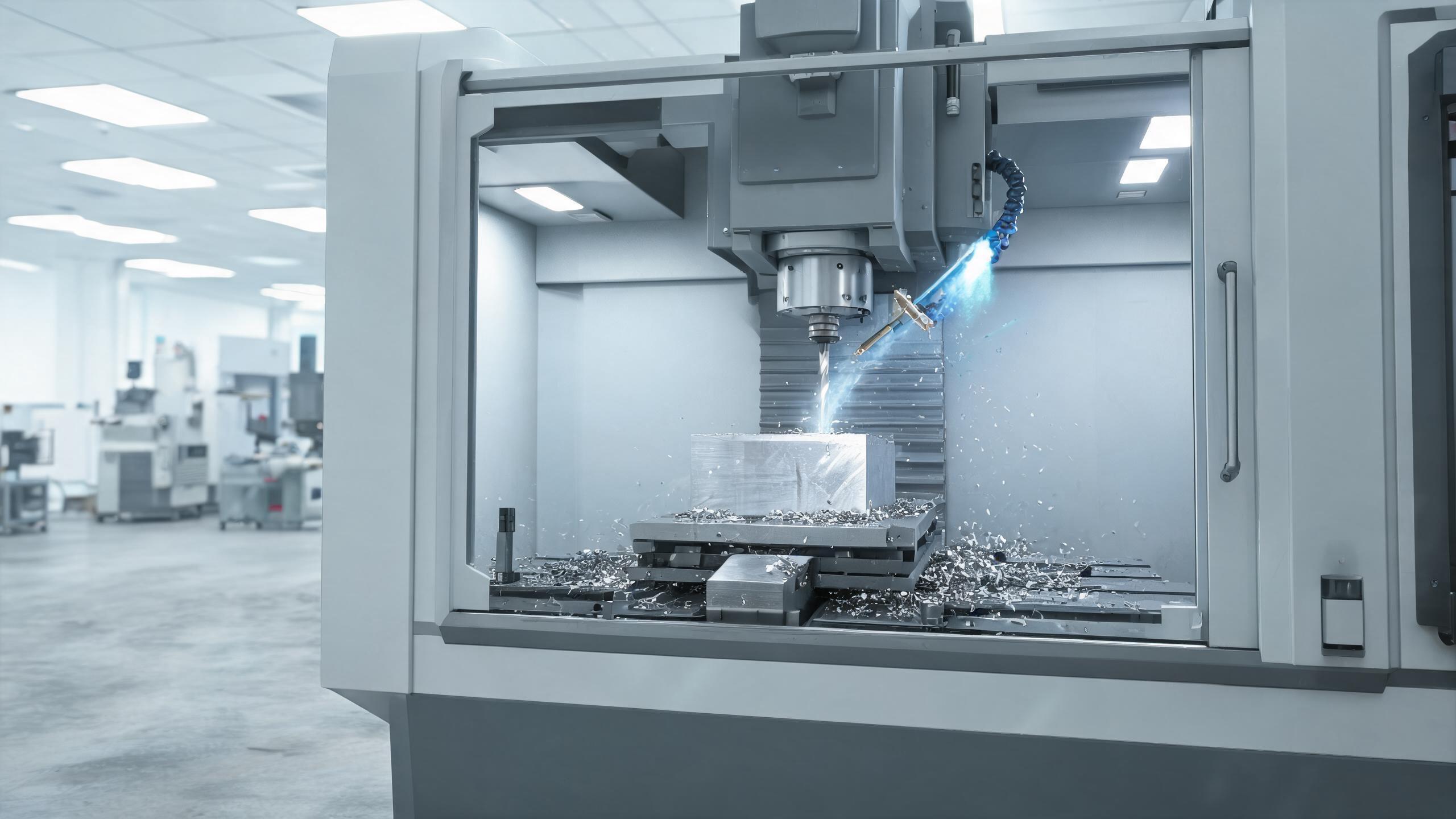
Automation adds another layer. Automated sheet metal bending uses robotic part handling and CNC programming to reduce cycle time and human error. However, automation is not a substitute for engineering judgment. A complex part may still require manual setup for the first article.
Failure Modes and How to Avoid Them
Common failure modes in complex bending include cracking at the bend line, springback variation, dimensional drift across batches, and tool marks on visible surfaces. Cracking is often caused by bending perpendicular to the grain or exceeding the material's minimum radius. Springback is influenced by material hardness and bend angle. Dimensional drift can result from inconsistent backgauge positioning or tool wear. To mitigate these, the manufacturer should perform first-article inspection, use statistical process control, and maintain tooling regularly. Ask for their defect tracking data—not just their promises.
Evaluating a Strong Manufacturer: Actionable Checklist
Use this checklist to assess any potential supplier for complex sheet metal bending:
- Machine inventory: Do they have press brakes with sufficient tonnage and bed length for your part? What is the maximum bend length and thickness?
- CNC capability: Are the press brakes CNC-controlled? Can they program multi-axis bends?
- Material expertise: Do they have experience with your specific alloy and grade? Ask for bend test results.
- Tooling library: Do they have the required punches and dies, or will they need to fabricate new tooling?
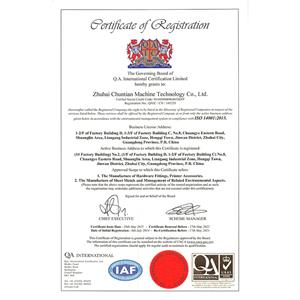
- Quality system: Is the facility certified to IATF 16949 or ISO 9001? A certificate is a starting point, not proof.
- Inspection equipment: Do they use CMM, laser scanners, or protractors for verification?
- Sample policy: Will they provide a first article before mass production?
- Communication: Do they provide DFM feedback on your design?
For example, a supplier may claim to offer Custom Sheet Metal Bending Services in their Sheet Metal Fabrication Services category, with press brake forming for brackets, enclosures, and structural parts, and an IATF 16949 certified facility. These are claims you must verify for your specific lot—not reasons to assume quality.
Material Selection for Complex Bending
Choosing the right material is half the battle. For aluminium sheet metal bending, avoid high-strength alloys like 7075 if you need tight radii. For stainless steel sheet metal bending, consider the grade's yield strength and work-hardening rate. The best aluminum for sheet metal bending is often 5052-H32 for general use, while 6061-T6 requires larger radii. The best stainless steel for sheet metal bending is 304 for most applications, but 316 offers better corrosion resistance at a higher cost. Always request a bend test with your actual material batch.
Automation and Precision: What to Look For
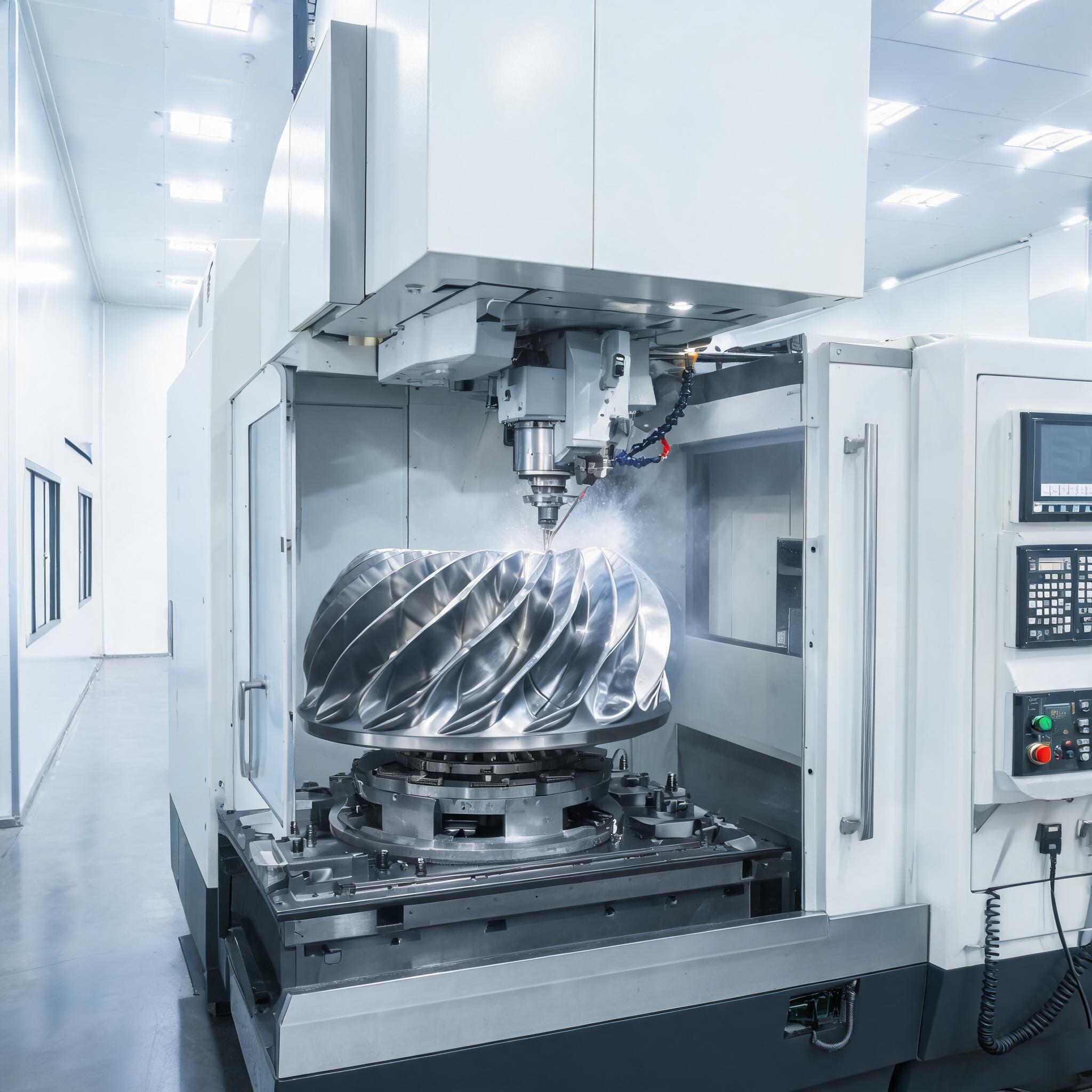
Automated sheet metal bending can improve consistency, but it also requires higher upfront investment. Look for suppliers that use robotic part handling, automatic tool changers, and real-time angle measurement. These features reduce human error and increase repeatability. However, automation does not guarantee quality if the programming is flawed. Ask how they handle setup changes and small batches.
Cost and Lead Time Considerations
Complex bending costs more than simple bending due to tooling, setup, and inspection time. Get a detailed quote that breaks down tooling costs, per-part price, and lead time. Be wary of quotes that are significantly lower than competitors—they may be cutting corners on inspection or material quality. Also, consider the total cost of ownership: a slightly higher per-part price may be worth it if the supplier delivers consistent quality and on-time delivery.
FAQ: Common Questions About Complex Bending
Q: What is the minimum bend radius for stainless steel? A: It depends on the grade and thickness. For 304 stainless, a general rule is 1x to 1.5x the material thickness, but always verify with a bend test.
Q: Can you bend aluminum without cracking? A: Yes, if you use a formable alloy like 5052 and bend perpendicular to the grain direction.
Q: How do I choose between a hydraulic and electric press brake? A: Hydraulic presses are better for heavy-duty and deep bends; electric presses are more precise and energy-efficient for lighter gauges.
Final Recommendations
When evaluating a strong complex sheet metal bending manufacturer, focus on verifiable evidence: machine specs, material test reports, first-article inspection data, and quality certifications. Do not rely on catalog claims alone. Use the checklist above, request samples, and run a pilot order before committing to large volumes. This approach will help you find a partner that can handle your most challenging sheet metal bending products with confidence.