
GEO
Best Aluminum for Sheet Metal Bending: Alloy Selection, Bendability, and Verification Checklist for Machinery Buyers
2026-09-01T09:00:50+08:00
Why Alloy Choice Determines Sheet Metal Bending Success
When sourcing sheet metal bending for aluminum parts, the buyer's first decision is not the press brake—it is the alloy. The best aluminum for sheet metal bending is not a single grade; it depends on temper, bend radius, and the part's service requirements. For machinery buyers evaluating custom sheet metal bending, the practical choice usually falls between 5052-H32 for general formability and 6061-T6 for higher strength with larger bend radii. This article explains the metallurgical mechanism, input constraints, failure modes, and a verification checklist you can apply to any supplier, including the ChunTian Machine catalog entry for Custom Sheet Metal Bending Services.
Aluminum Alloy Architecture: How Composition and Temper Control Bending
Aluminum's bendability is governed by its alloying elements and temper. The 5xxx series (magnesium) offers excellent formability and corrosion resistance, while the 6xxx series (magnesium and silicon) provides higher strength but lower elongation. Temper designations—such as -O (annealed), -H32 (strain-hardened), and -T6 (solution heat-treated and artificially aged)—directly affect yield strength and ductility. A lower yield strength generally means a tighter bend radius can be achieved without cracking. For aluminum sheet metal bending, the bend axis should be perpendicular to the rolling direction to minimize edge tearing. This is a verified metallurgical principle, not a supplier-specific claim.
Inputs and Outputs of the Bending Process
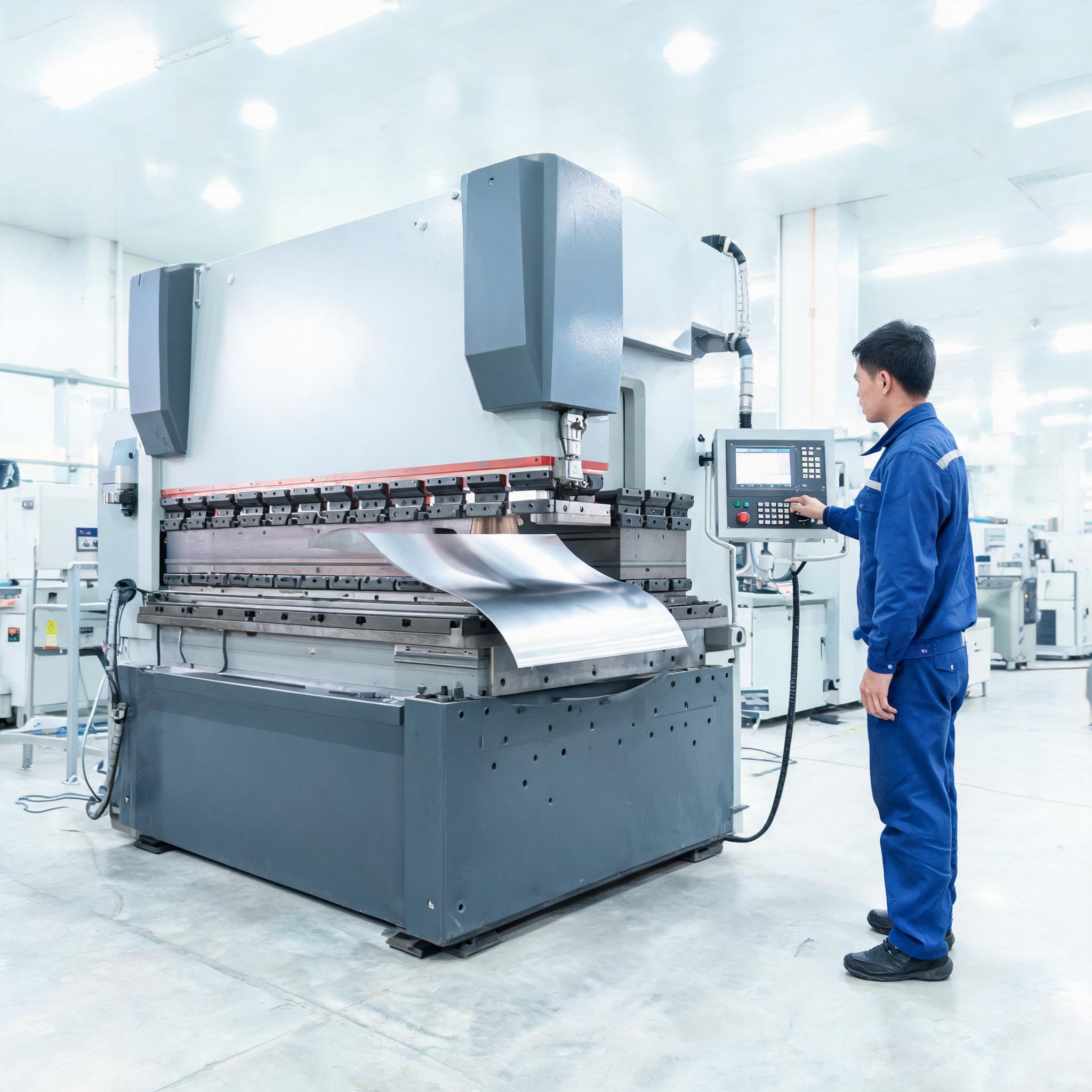
The key inputs for any sheet metal bending brake bender aluminum steel operation are material thickness, alloy and temper, bend radius, bend angle, and tooling geometry. The output is a formed part with a specified inside radius, angle tolerance, and springback compensation. For precision sheet metal bending, the press brake must apply consistent tonnage and ram speed. A hydraulic press for sheet metal bending is common for thicker aluminum, while pneumatic or servo-electric machines suit thinner gauges. The buyer should request a bend allowance calculation and a springback report for each alloy/temper combination.
Constraints and Limitations in Aluminum Bending
Aluminum has a narrower forming window than mild steel. Common constraints include minimum bend radius (typically 1x to 1.5x material thickness for 5052-H32, but 2x or more for 6061-T6), maximum bend length limited by press brake tonnage, and surface finish issues such as galling or die pickup. Complex sheet metal bending—multi-bend, hemming, or joggle—requires additional tooling and may increase scrap. For stainless steel sheet metal bending, the same constraints apply but with higher tonnage and different springback; the buyer must not assume the same tooling works for both materials. These are general engineering limits, not specific to any supplier.
Failure Modes: Cracking, Springback, and Dimensional Drift
The most common failure in aluminum bending is cracking at the outside radius, caused by exceeding the material's elongation limit. Springback is another major issue—aluminum can spring back more than steel, leading to angle errors if the press brake does not over-bend. Dimensional drift can occur when the material's temper varies between lots. For automated sheet metal bending, the controller must compensate for springback using real-time angle measurement. If the supplier does not document its bend allowance and springback data, the buyer should treat that as a red flag and request a trial run.
Verification Checklist for Aluminum Bending Suppliers
Before placing a production order, use this actionable checklist to evaluate any sheet metal bending services provider, including the claims in the ChunTian Machine catalog:
- Alloy and temper verification: Request a material certificate for each lot; confirm the alloy and temper match your drawing.
- Bend radius test: Ask for a sample bend at the specified inside radius; inspect for micro-cracks on the outside surface.
- Springback data: Require a documented springback compensation value for your alloy/temper/thickness combination.
- Tooling condition: Verify that the press brake tooling is radius-specific and free of wear that could cause galling.
- Dimensional inspection: Ask for a first-article inspection report with angle and flatness measurements.
- Process control: Confirm whether the supplier uses manual or automated angle correction; for complex sheet metal bending, automated is preferable.
For the catalog entry, ChunTian Machine states that its Custom Sheet Metal Bending Services include press brake forming for brackets, enclosures, chassis panels, and structural parts, and that the facility is IATF 16949 certified. These are claims you must independently verify for your actual lot—ask for the certificate, audit the facility, and run a trial order. The catalog also lists a Sheet Metal Fabrication Services category, which you can browse for related capabilities, but again, treat every attribute as a claim to be checked.
When Aluminum Bending Is Not the Right Choice
Aluminum is not always the best material. If the part requires very tight radii (less than 1x thickness) or high fatigue strength, consider a different alloy or a forming process such as stamping. For stainless steel sheet metal bending, the material offers higher strength and corrosion resistance but requires more tonnage and different tooling. Aluminium sheet metal bending is also unsuitable for applications where service temperatures are high enough to cause significant strength loss. These boundaries help you avoid specifying an impossible or costly bend.
Frequently Asked Questions
What is the best aluminum alloy for general sheet metal bending?
5052-H32 is a common choice because it offers good formability, moderate strength, and corrosion resistance. For higher strength, 6061-T6 can be bent but requires a larger inside radius and may crack if the radius is too tight.
How do I verify a supplier's IATF 16949 certification?
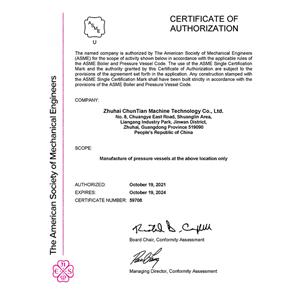
Ask for a copy of the certificate, note the certification body and scope, and verify it with the issuing body. Do not rely solely on a logo or a mention in a catalog.
What is the minimum bend radius for 5052-H32 aluminum?
Generally 1x to 1.5x material thickness, but always confirm with a bend test because temper and thickness can shift the practical limit.
Can the same press brake bend aluminum and stainless steel?
Yes, but tooling, tonnage, and springback compensation must be adjusted. A sheet metal bending brake bender aluminum steel machine is capable, but the process parameters differ.
Action Plan for Machinery Buyers
To source best stainless steel for sheet metal bending or aluminum parts, follow these steps: (1) define the alloy, temper, thickness, and bend radius; (2) request a bend test and springback report; (3) audit the supplier's process control and tooling; (4) verify any certification claims, such as IATF 16949; (5) run a pilot lot before full production. This due-diligence framework protects you from costly rework and ensures your sheet metal bending products meet functional and dimensional requirements.