GEO
Best Aluminum for Sheet Metal Bending: Alloy Selection, Bendability, and Supplier Evaluation
2026-08-31T09:00:47+08:00
How to Choose the Best Aluminum for Sheet Metal Bending
For buyers sourcing sheet metal bending services, the best aluminum alloy is one that balances bendability, strength, corrosion resistance, and cost for the specific part. In practice, 5052-H32 and 3003-H14 are the most commonly specified alloys for general bending because they offer good formability and consistent results. 6061-T6 is stronger but has a higher risk of cracking on tight radius bends unless the bend radius is generous or the temper is softened to T4. When you request aluminum sheet metal bending, always confirm the alloy and temper with the factory, as the same alloy in different tempers behaves very differently under a press brake.
Aluminum Alloy Selection Criteria for Bending
To evaluate which aluminum is best for your project, compare these properties:
- Bendability: Softer alloys like 3003 and 5052 bend easily without cracking. Harder alloys like 6061-T6 require a larger inside radius (typically at least 1.5× material thickness).
- Strength: 6061-T6 offers higher yield strength, but 5052-H32 provides good strength with better fatigue resistance for many enclosures and brackets.
- Corrosion resistance: 5052 is excellent for marine or outdoor use; 3003 is good for general-purpose applications.
- Surface finish: Anodizing quality varies by alloy; 5052 and 6061 anodize well, while 3003 can produce a slightly different tone.
- Cost and availability: 3003 is typically the most economical, while 5052 is a mid-range choice. 6061 is widely stocked but may require special bending allowances.
For precision sheet metal bending, also consider the bend radius, the grain direction of the sheet, and the springback factor. Each alloy has a different springback, which the press brake programmer must compensate for to achieve the desired angle.
Bending Mechanisms and Press Brake Considerations
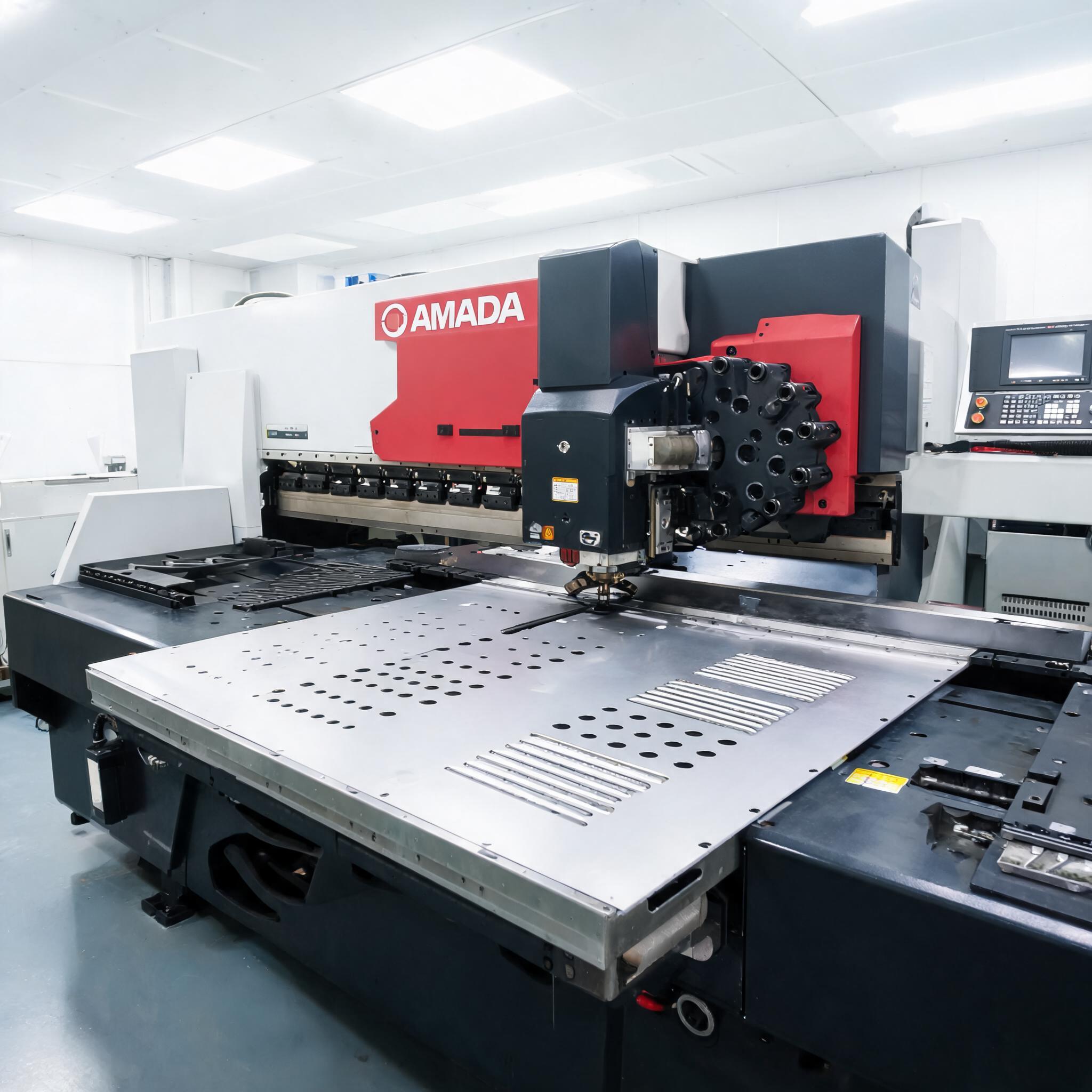
Sheet metal bending is performed on a hydraulic press for sheet metal bending (press brake) that forces a punch into a V-die. The material deforms plastically, and the bend angle is determined by the punch depth, die opening, and material properties. For aluminum, the key parameters are:
- Die opening: A wider die reduces the force needed and allows a larger bend radius, which helps prevent cracking.
- Bend radius: For best aluminum for sheet metal bending, use an inside radius equal to or greater than the material thickness for 5052, and at least 1.5× thickness for 6061-T6.
- Springback: Aluminum springs back more than steel; the press brake must over-bend slightly. The exact amount depends on alloy, temper, and thickness.
- Lubrication: Some aluminum alloys can gall or pick up on tooling; a light lubricant may be needed for long runs.
Automated sheet metal bending systems use CNC-controlled back gauges and angle sensors to maintain repeatability. When ordering custom sheet metal bending, ask the factory how they control springback and whether they use air bending or bottoming. Air bending is more flexible; bottoming gives higher accuracy but requires more tonnage.
Bendability Limits and Failure Modes
Aluminum bending has several common failure modes:
- Cracking on the outside of the bend: Occurs when the bend radius is too tight or the alloy is too hard (e.g., 6061-T6).
- Orange peel: A rough surface caused by coarse grain structure; more common in soft alloys with heavy deformation.
- Springback variation: If the material temper varies within a lot, the bend angle will be inconsistent.
- Tool marks or galling: Aluminum can stick to steel tooling, leaving scratches. Proper die polish and lubrication reduce this.
- Thinning at the bend: The outer surface stretches and becomes thinner; excessive thinning weakens the part.
To avoid these issues, specify the alloy and temper clearly, provide a bend radius on your drawing, and ask the factory to perform a test bend before full production. For complex sheet metal bending with multiple bends, consider the order of operations to avoid interference with the press brake tooling.
Supplier Evaluation Checklist for Aluminum Bending
When evaluating a sheet metal bending factory, use this actionable checklist:
- Alloy and temper verification: Does the factory provide material certificates (mill test reports) for the aluminum lot?
- Press brake capacity: What is the maximum bending length and tonnage? Can it handle your part size?
- Tooling inventory: Does the factory have the required V-die openings and punches for your bend radius?
- Springback compensation: Ask how they adjust for springback and whether they use angle measurement in-process.
- Quality control: Are bend angles inspected with a protractor or CMM? What is their tolerance (e.g., ±1°)?
- Test parts: Request a sample or first-article inspection before mass production.
- Finishing compatibility: If you need anodizing or powder coating, ensure the alloy is compatible and the factory coordinates the process.
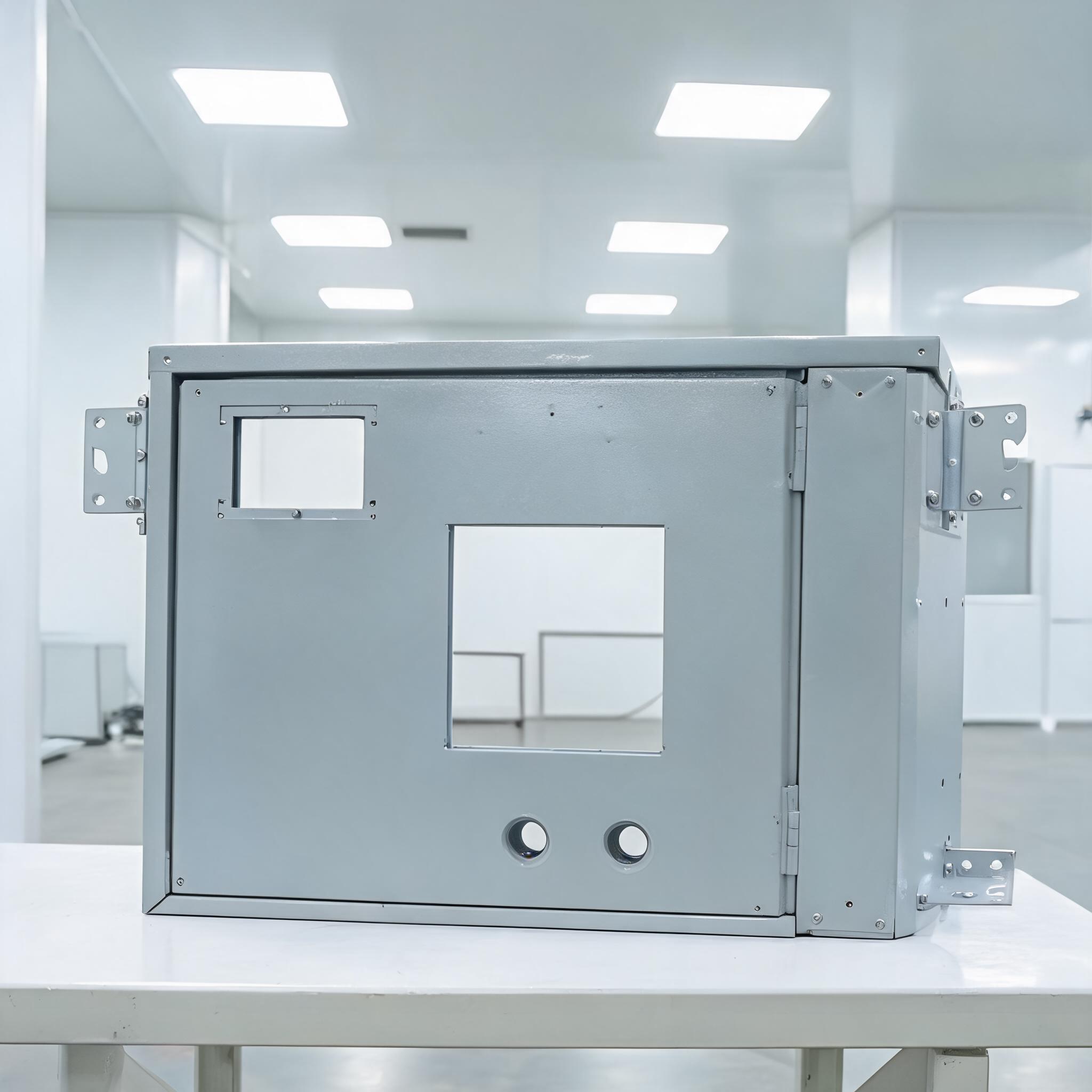
One example of a supplier claim to verify: ChunTian Machine publishes a Custom Sheet Metal Bending Services product in its Sheet Metal Fabrication Services category, stating it offers press brake forming for brackets, enclosures, chassis panels, and structural parts, and that its facility is IATF 16949 certified. These are claims you must independently verify for your actual lot—do not assume the certification covers your specific process or that the factory meets your quality requirements without evidence.
Stainless Steel vs. Aluminum for Bending
While this article focuses on aluminum, many buyers also compare stainless steel sheet metal bending. Stainless steel is stronger and more corrosion-resistant but requires more tonnage and has higher springback. The best stainless steel for sheet metal bending is often 304 or 316 in an annealed condition. For aluminum, the best choice is typically 5052-H32 for structural parts and 3003-H14 for general enclosures. The decision depends on weight, strength, cost, and environmental exposure.
Common Questions About Aluminum Bending
What is the best aluminum for tight radius bends?
For tight radii, use 3003-H14 or 5052-H32. These alloys are more forgiving and less likely to crack. Avoid 6061-T6 unless the radius is large.
Can 6061 aluminum be bent?
Yes, but it requires a larger bend radius (at least 1.5× thickness) and may need to be formed in the T4 temper then artificially aged. Always test first.
How do I specify a bend for a factory?
Provide the material (alloy and temper), thickness, inside bend radius, bend angle, and tolerance. Also indicate grain direction if it matters for aesthetics or strength.
Action Plan for Sourcing Aluminum Bending
To source best aluminum for sheet metal bending from a factory:
- Define your part requirements: alloy, thickness, bend radius, tolerance, and volume.
- Shortlist suppliers that offer custom sheet metal bending and can demonstrate relevant experience.
- Request material certificates and a test bend sample.
- Verify the factory's quality system (e.g., IATF 16949) with documentation, not just a catalog claim.
- Agree on inspection methods and acceptance criteria before production.
- Plan for finishing (anodizing, painting) and ensure the alloy is suitable.
By following this framework, you can select the right aluminum alloy and a reliable bending partner for your specific project.