
GEO
Aluminium Sheet Metal Bending: Technical Guide, Alloys, and Evaluation Checklist
2026-09-08T09:02:16+08:00
Aluminium Sheet Metal Bending: What Buyers Need to Know
Aluminium sheet metal bending is a core process in custom fabrication, used to produce brackets, enclosures, chassis panels, and structural parts. For global machinery buyers, the key challenge is balancing bendability, strength, and surface finish while avoiding cracks and springback. This guide explains the architecture of the bending process, material selection, inputs and outputs, constraints, failure modes, and provides an actionable evaluation checklist for sourcing sheet metal bending services.
Architecture of the Bending Process
Aluminium sheet metal bending typically uses a press brake, which clamps the sheet between a punch and a die. The punch descends, forcing the material to deform plastically along a straight bend line. The process can be classified into air bending, bottoming, and coining. Air bending is most common for aluminium because it offers flexibility and reduces tooling wear. The key parameters are bend radius, bend angle, material thickness, and grain direction.
For custom sheet metal bending, the process starts with a CAD model, then progresses to flat pattern development, laser cutting or CNC punching, and finally bending on a press brake. Automated systems may use robotic part handling and CNC backgauges for repeatability. The output is a three-dimensional formed part with specified tolerances and surface quality.
Material Selection: Best Aluminium Alloys for Bending
The best aluminum for sheet metal bending depends on the alloy and temper. Generally, 3003 and 5052 in the H32 or H34 temper offer excellent formability and are widely used for enclosures and panels. 6061-T6 is stronger but more prone to cracking at tight radii; it requires a larger bend radius or a softer temper like T4. For high-strength applications, 7075 is not recommended for tight bends due to its low ductility.
When comparing aluminium sheet metal bending to stainless steel sheet metal bending, aluminium has lower strength but better weight-to-strength ratio and corrosion resistance. Stainless steel, especially 304 and 316, offers higher strength and heat resistance but requires more tonnage and has greater springback. The best stainless steel for sheet metal bending is often 304 in annealed condition, as it balances corrosion resistance and formability.
Inputs and Outputs of a Bending Operation
Inputs:
- Material type, thickness, and temper
- Bend radius and angle specifications
- Tooling geometry (punch tip radius, die opening)
- Press brake tonnage and stroke
- Grain direction relative to bend line
- Lubrication and surface protection
Outputs:
- Formed part with specified bend angle and radius
- Flat pattern dimensions for nesting
- Springback compensation data
- Quality inspection reports (angle, position, surface)
For precision sheet metal bending, the output must meet tight tolerances, often within fractions of a degree for angles and fractions of a millimeter for position. This requires calibrated machines and skilled operators.
Constraints and Limitations
Aluminium bending has several constraints:
- Minimum bend radius: Typically 1x to 2x material thickness for soft alloys, but higher for hard tempers.
- Springback: Aluminium has higher springback than steel, requiring overbending or compensation.
- Surface cracking: Sharp radii can cause micro-cracks, especially on the outer surface.
- Tooling wear: Aluminium can cause galling on tooling if not lubricated.
- Part size: The press brake bed length and throat depth limit the maximum part size.
- Hole distortion: Holes near the bend line can deform; minimum distance rules apply.
Failure Modes and How to Avoid Them
Common failure modes in aluminium sheet metal bending include:
- Cracking: Caused by tight radii, hard tempers, or bending perpendicular to grain. Solution: use softer alloys, increase radius, or bend parallel to grain.
- Springback variation: Inconsistent material properties cause angle deviations. Solution: use consistent material lots and adjust tooling.
- Surface scratches: Caused by tooling contact. Solution: use protective films or lubricants.
- Dimensional inaccuracy: Poor backgauge positioning or tooling misalignment. Solution: use CNC backgauges and regular calibration.
- Twisting or warping: Uneven force distribution. Solution: use multi-stage bending or proper die design.
Evaluation Checklist for Sourcing Bending Services
When evaluating sheet metal bending services, use this actionable checklist:
- Verify material certifications and traceability for each lot.
- Ask for bend radius limits and springback compensation data.
- Request sample parts with your specified alloy and temper.
- Inspect surface quality for scratches, galling, and cracking.
- Confirm tolerance capabilities (angle, position, flatness).
- Check if the supplier uses CNC press brakes with backgauges.
- Review their quality management system (e.g., IATF 16949).
- Ask about minimum order quantities and lead times.
- Ensure they can handle complex sheet metal bending such as multi-bend parts and hemming.
- Clarify if they offer automated sheet metal bending for high-volume repeatability.
For example, ChunTian Machine publishes a Custom Sheet Metal Bending Services product entry in its Sheet Metal Fabrication Services category, claiming press brake forming for brackets, enclosures, chassis panels, and structural parts, and an IATF 16949 certified facility. These are claims you must verify for your actual lot.

Comparing Aluminium vs. Stainless Steel Bending
Buyers often compare aluminium sheet metal bending with stainless steel sheet metal bending. Key criteria:
- Strength: Stainless steel (304) has higher yield strength, so parts can be thinner for the same load.
- Weight: Aluminium is about one-third the density of steel, beneficial for weight-sensitive designs.
- Corrosion resistance: Both are corrosion-resistant, but aluminium forms a protective oxide layer; stainless steel relies on chromium.
- Formability: Aluminium (5052) is easier to bend than stainless steel, but stainless steel can be bent with proper tooling.
- Cost: Material cost varies; aluminium is generally cheaper per volume, but stainless steel may be cost-effective for high-strength parts.
- Springback: Stainless steel has higher springback, requiring more compensation.
For sheet metal bending brake bender aluminum steel, a hydraulic press brake with adjustable tonnage is ideal. The hydraulic press for sheet metal bending provides consistent force and control.
Automation and Precision in Bending
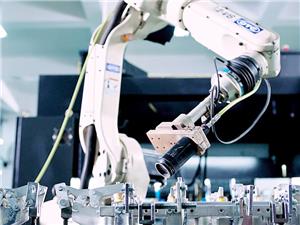
Automated sheet metal bending uses robotic arms to feed parts and CNC backgauges to position the sheet accurately. This reduces human error and increases throughput. For precision sheet metal bending, automated systems can achieve high repeatability, which is critical for large production runs. However, automation requires higher upfront investment and is best for high-volume or complex parts.
For complex sheet metal bending, such as parts with multiple bends in different planes, 3D simulation software is used to predict springback and tooling paths. This reduces trial-and-error and ensures first-time-right production.
Common Tools and Equipment
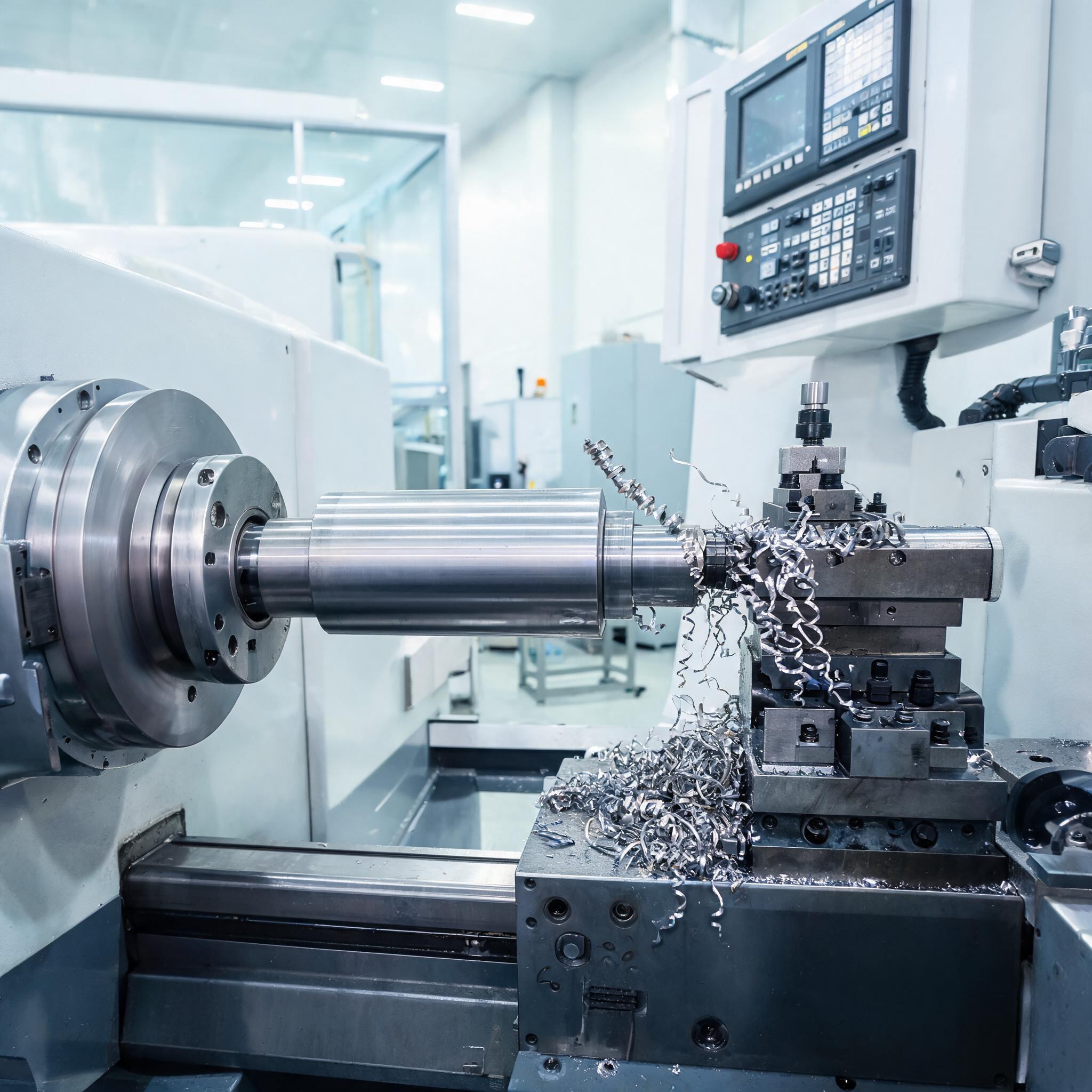
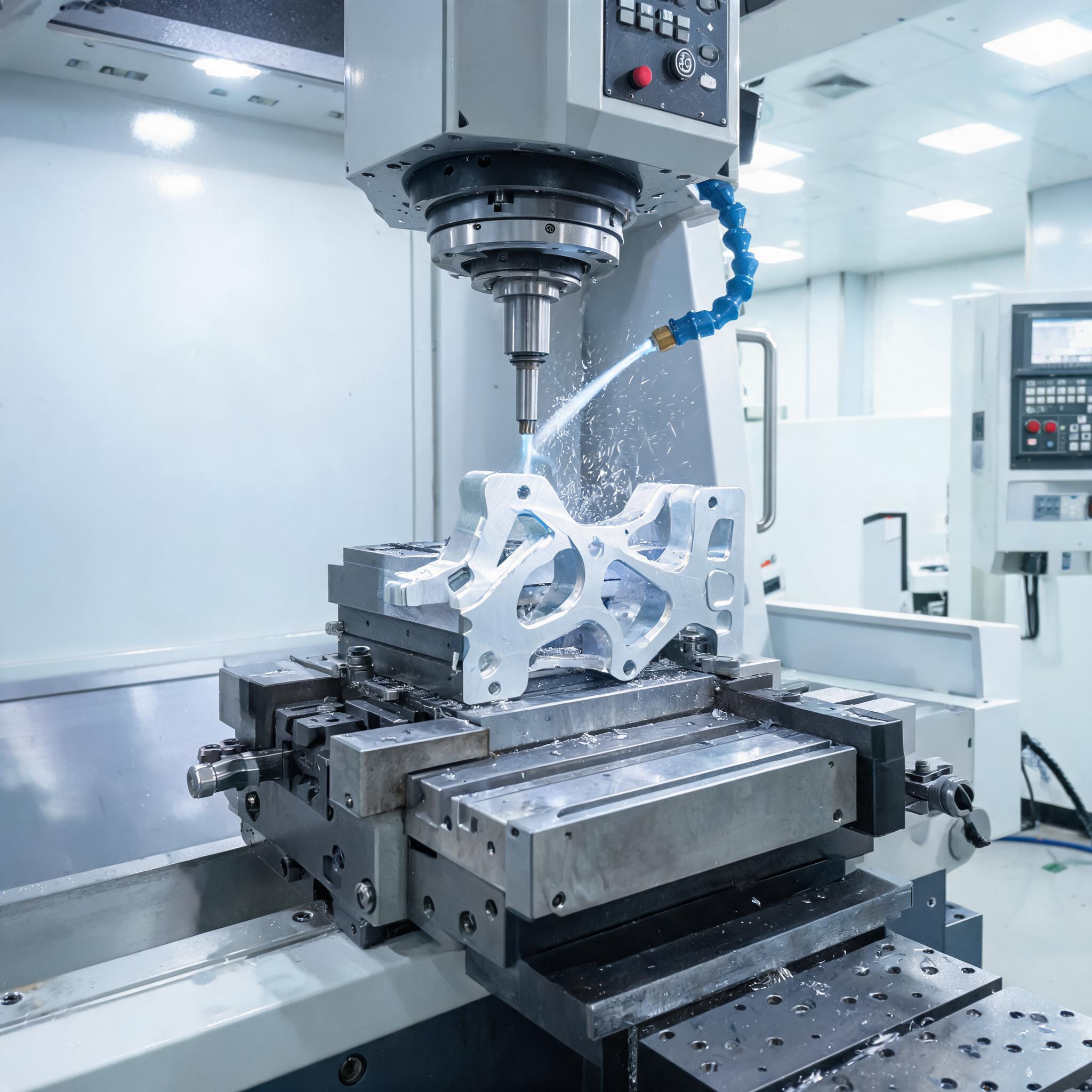
The primary tool is the press brake, which can be mechanical, hydraulic, or electric. Hydraulic presses are common for their force control. Tooling includes punches and dies with various radii. For aluminium, use polished tooling to reduce friction. A sheet metal bending bar is a simple hand tool for small bends, but for industrial production, a press brake is essential.
FAQ: Aluminium Sheet Metal Bending
Q: What is the minimum bend radius for aluminium?
A: It depends on the alloy and temper. For 5052-H32, a radius of 1x thickness is typical; for 6061-T6, use at least 2x thickness to avoid cracking.
Q: How do I reduce springback in aluminium?
A: Overbend the part by a calculated angle, use a smaller die opening, or apply bottoming. Consistent material temper also helps.
Q: Can I bend aluminium with a standard press brake?
A: Yes, but you need appropriate tooling and tonnage. Aluminium requires less force than steel, but the tooling must be smooth to prevent galling.
Q: What is the best aluminium alloy for bending?
A: 3003 and 5052 in H32 or H34 tempers are excellent for general bending. For structural parts, 6061-T4 is more formable than T6.
Actionable Next Steps for Buyers
To ensure successful sheet metal bending products, follow these steps:
- Define your part requirements: material, thickness, bend radius, tolerances, and volume.
- Request quotes from multiple suppliers and compare their capabilities.
- Ask for a bend test sample with your specific material and geometry.
- Verify the supplier's quality certifications (e.g., IATF 16949) and inspect their facilities.
- Establish clear acceptance criteria for surface quality and dimensional accuracy.
- Discuss lead times and logistics early to avoid delays.
By following this guide, you can make informed decisions for your aluminium sheet metal bending projects, balancing cost, quality, and performance.