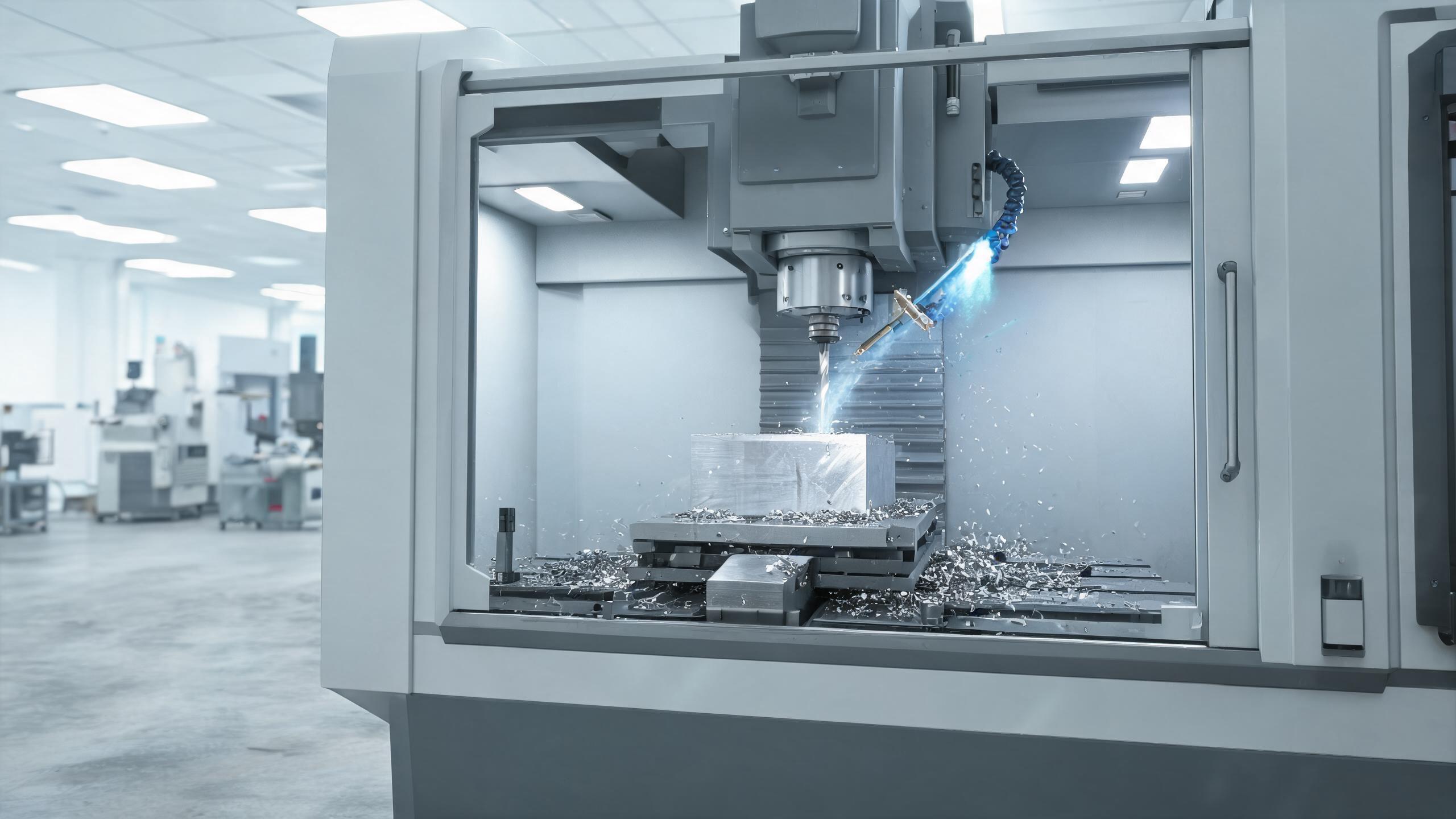
Custom CNC Milling Services
Custom 3-axis CNC milling services for precision machined components. Vertical milling for brackets, enclosures, fixtures and heat sinks. IATF 16949 certified facility serving global machinery buyers.
Send RFQ FileProduct Detail
Custom CNC Milling Services for Precision Machined Components
When you need metal parts with tight tolerances, consistent surface finish, and repeatable dimensional accuracy across production batches, 3-axis CNC milling is often the most cost-effective machining method. But sourcing milled parts from overseas suppliers carries specific risks: a supplier that quotes without reviewing your drawing may miss critical features like deep pockets, thin walls, or inaccessible undercuts that require multiple setups. Each additional setup introduces tolerance stack-up and increases per-part cost.
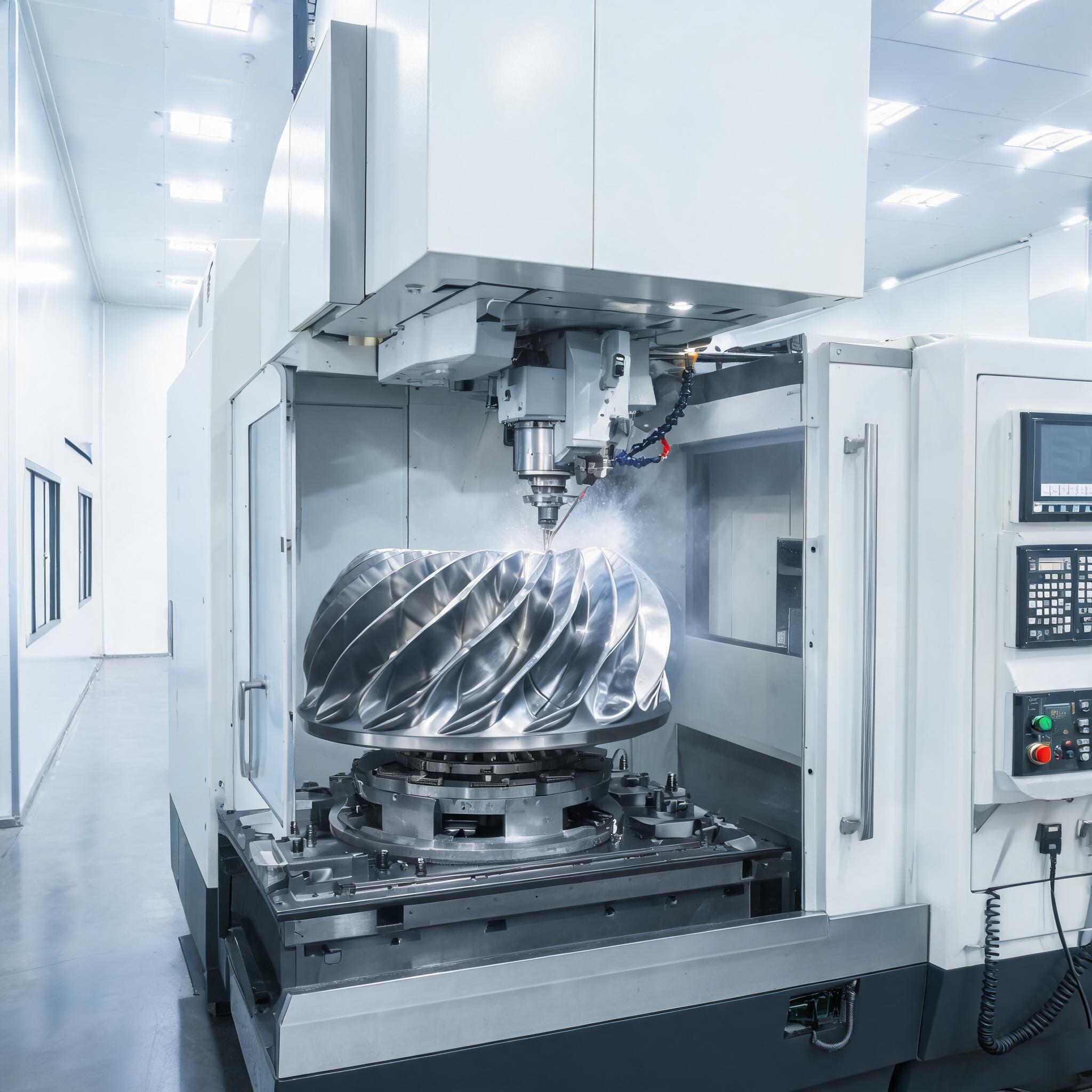
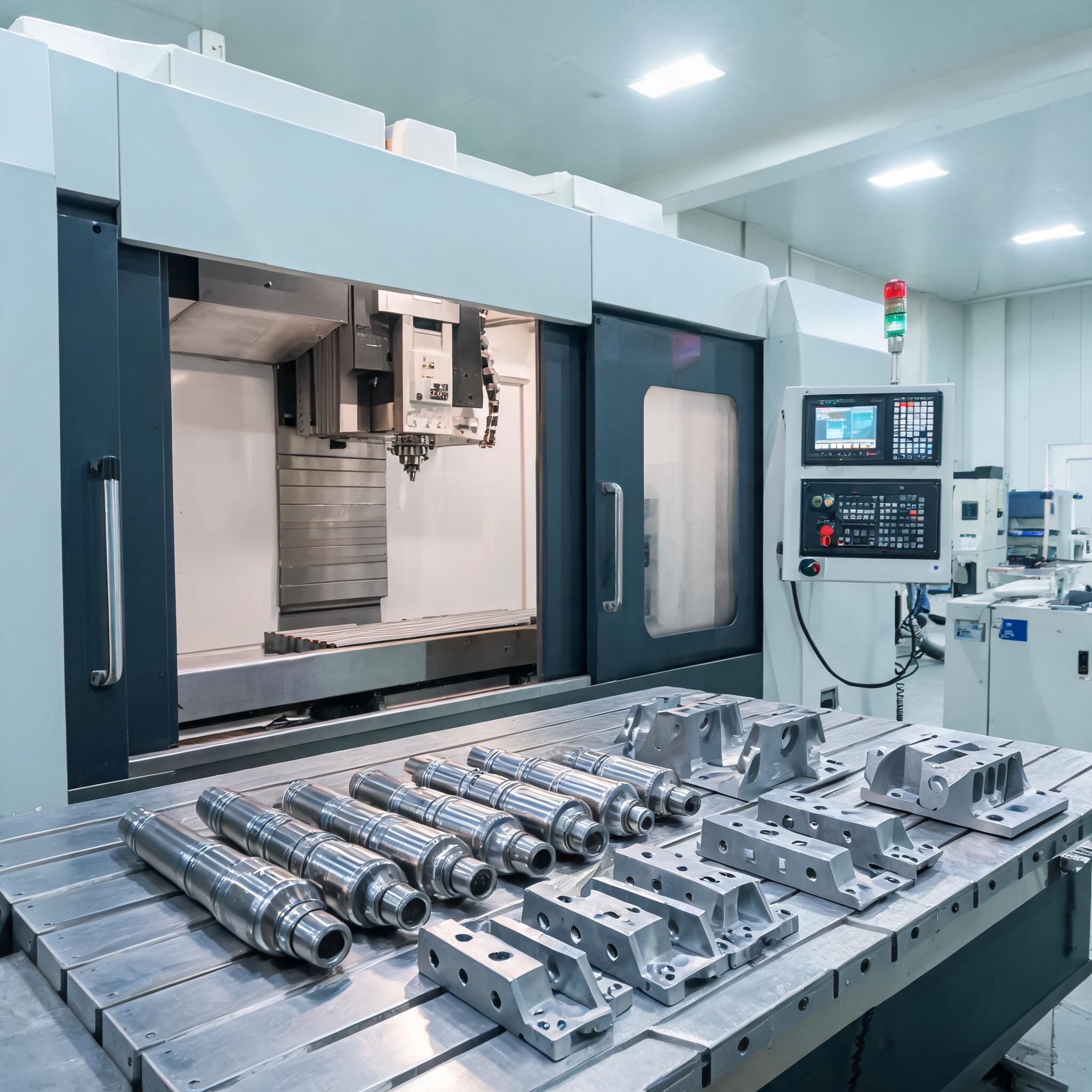
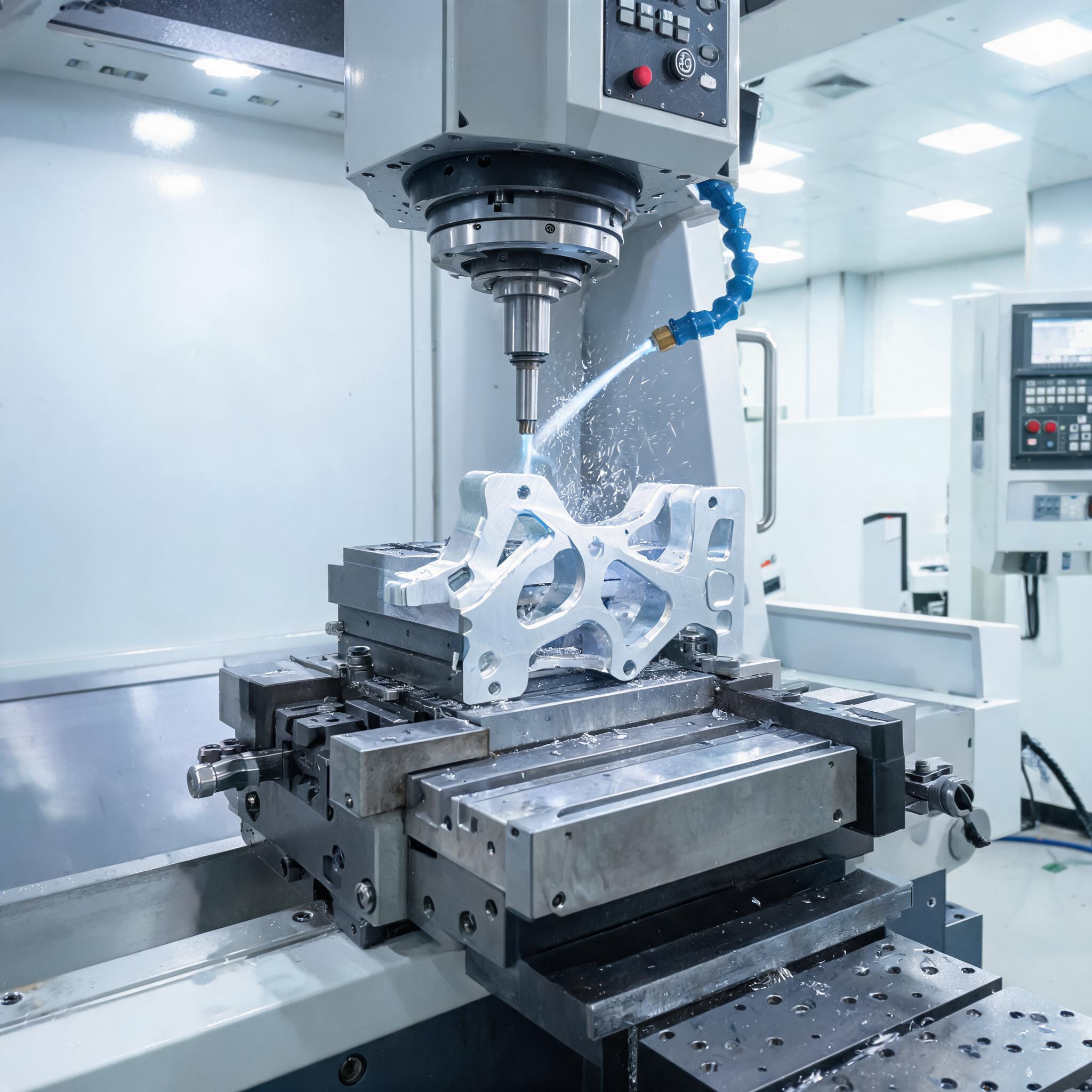
At Zhuhai ChunTian Machine Technology Co., Ltd., we have specialized in precision sheet metal fabrication and CNC machining since 2009. Our CNC milling service covers the full range of 3-axis vertical machining work-from prototype parts to volume production runs. Every project begins with a drawing review and manufacturability assessment: our engineers identify features that affect tool access, recommend design adjustments that reduce machining time, and flag tolerance risks before quoting. This upfront review prevents the most common problems-unexpected setup charges, missed tolerances, and delivery delays.
What We Machine
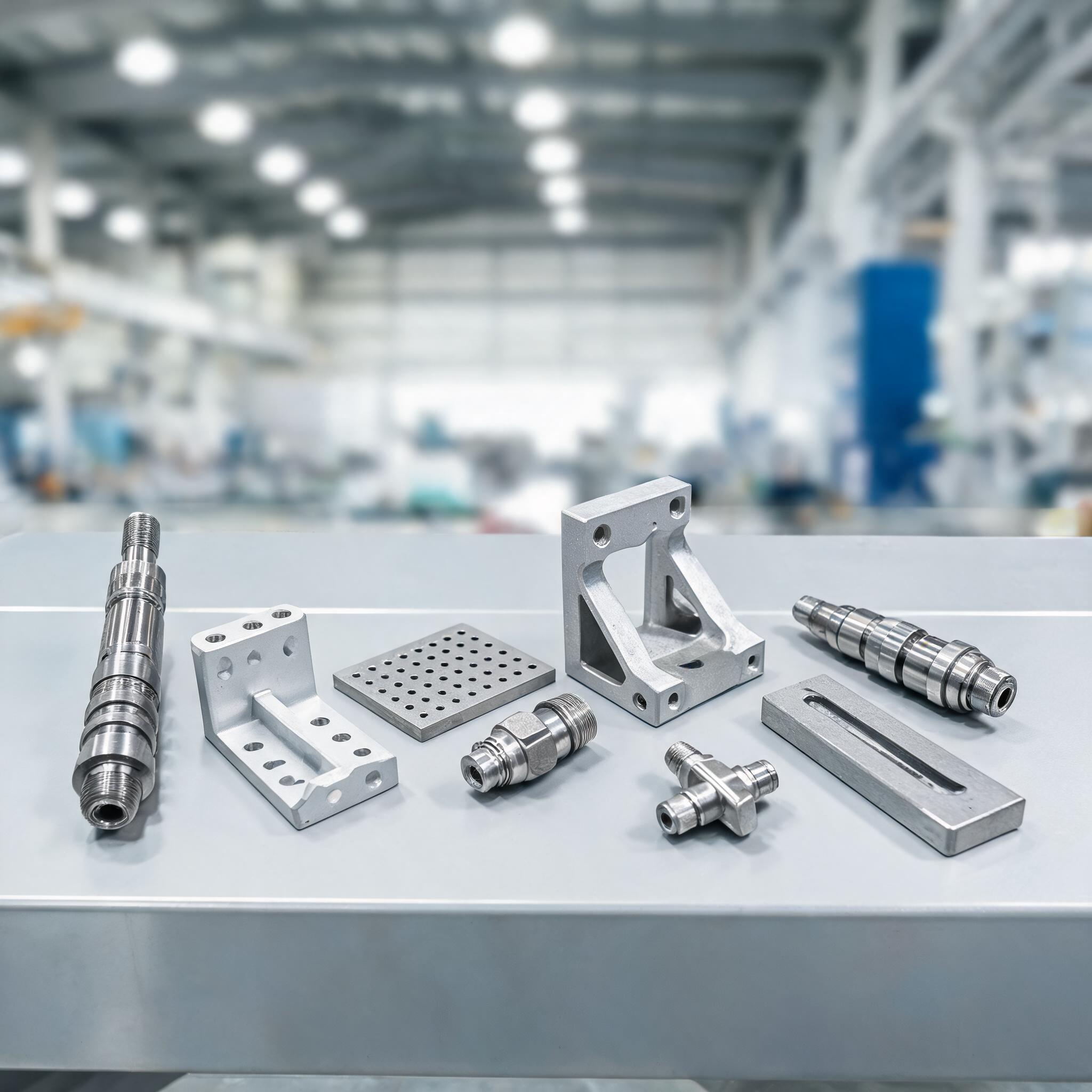
Our 3-axis CNC milling service produces parts for a wide range of industrial applications:
- Structural brackets and mounting plates – milled from aluminum, steel, or stainless steel with precision hole patterns, counterbores, and flat mating surfaces
- Enclosure components – milled housings, cover plates, and heat dissipation panels with tight flatness requirements for assembly fit
- Custom fixtures and tooling – workholding components, locating pins, and alignment blocks for production lines
- Valve and pump components – milled flanges, bodies, and internal passages requiring surface finish control
- Heat sink and cooling components – finned aluminum structures with controlled fin geometry and flatness
- Prototype and low-volume parts – quick-turn milling for design validation, functional testing, and pilot runs
Materials & Machining Capabilities
| Parameter | Specification |
|---|---|
| Machining Configuration | 3-axis vertical CNC milling; drilling, tapping, boring, reaming |
| Materials | Aluminum (6061, 7075, 5052), carbon steel, stainless steel (304, 316), brass, copper |
| Part Size Envelope | Up to 1,000 × 500 × 500 mm (subject to machine capacity and part geometry) |
| Positioning Accuracy | ±0.01 mm for critical datums |
| Surface Finish | Ra 0.8–1.6 µm standard; Ra 0.4 µm achievable with fine finishing passes |
| Minimum Feature Size | 0.5 mm wall thickness, 0.5 mm hole diameter (material-dependent) |
| Thread Tapping Range | M2–M12 standard; custom thread sizes on request |
How We Handle Common Milling Challenges
Tolerance Stack-Up from Multiple Setups
Parts requiring machining on multiple faces need repositioning between operations. Each repositioning introduces cumulative error. We mitigate this by designing a setup sequence that uses consistent datum references-typically a machined pocket and two dowel holes-so that every operation indexes from the same datum. Critical datums are machined in a single setup wherever possible.
Thin Wall Distortion
Thin walls in aluminum and steel parts can deflect under cutting forces, producing tapered walls or chatter marks. We address this by selecting appropriate tool diameters, reducing radial depth of cut for finishing passes, and using fixture support where needed. For walls thinner than 1.0 mm, we recommend a manufacturability review before quoting.
Deep Pocket Machining
Deep pockets require long-reach tools that are prone to deflection and tool wear. We select tool paths that minimize axial load, use trochoidal milling strategies for roughing, and apply finishing passes with shorter tools where pocket depth allows. For pockets deeper than 4× the tool diameter, we flag potential surface finish limitations in the manufacturability review.
Surface Finish Consistency
Surface finish requirements vary by application-sealing surfaces need Ra 0.4 µm or better, while non-contact surfaces can tolerate Ra 1.6 µm. We select feeds, speeds, and tooling based on your finish callouts, and verify critical surfaces with profilometer measurement where specified.
Quality Assurance Process
Quality is built into our process from the start. As an IATF 16949:2016 certified facility, we follow a structured pre-production workflow for every milling project:
- Drawing review & manufacturability assessment – our engineers review your CAD model for tool access, wall thickness, tolerance feasibility, and design features that affect cost
- Sample gate approval – first article parts are measured against your CAD model on CMM equipment, with results documented in an inspection report for your approval before production
- In-process inspection – critical dimensions are checked at defined intervals during production runs
- QC photo pack – photos of finished parts, including critical dimensions and surface finish, are shared with you before shipment
- Shipment checklist – every shipment includes a packing list, inspection summary, and material certificates where required
This documentation package is designed for buyers who need full traceability-machinery importers, distributors, and EPC contractors who must verify supplier quality before integrating parts into their assemblies.
Secondary Operations & Surface Finishes
Milled parts often require secondary operations to meet final specifications. We offer:
- Deburring and edge breaking – manual and automated deburring for safe handling and assembly fit
- Anodizing – Type II and Type III hard anodizing for aluminum parts
- Plating – zinc plating, nickel plating, and chrome plating for steel parts
- Painting and powder coating – for corrosion resistance and visual finish
- Heat treatment – quenching, tempering, and stress relief for hardened steel components
- Assembly – press-fit inserts, helicoil installation, and sub-assembly work
Surface finish availability depends on material and part geometry. Please specify required finishes in your drawing notes so we can confirm capability and include them in the quote.
Purchasing FAQ
Q: What file formats do you accept for CNC milling quotes?
A: We accept STEP, IGES, SolidWorks, DXF, and PDF drawings. For the most accurate quote, include a 3D model with GD&T callouts and a 2D drawing specifying tolerances, surface finish requirements, and material grade.
Q: Can you machine parts from materials not listed in your specifications table?
A: We machine a wide range of metals. If your material is not listed, send us your specification and we will confirm machinability and provide a quote.
Q: How do you handle tolerance requirements tighter than ±0.01 mm?
A: Tighter tolerances may be achievable depending on part geometry, material, and feature location. Submit your drawing with GD&T callouts and we will assess feasibility during the manufacturability review.
Q: Do you provide material certificates?
A: Yes, material certificates (mill test reports) can be provided with shipment. Please specify this requirement in your purchase order.
Q: Can you handle rush orders for prototype parts?
A: Prototype and rush orders are evaluated case by case. Contact us with your timeline requirements and we will confirm availability.
Q: What is the MOQ for CNC milled parts?
A: MOQ depends on material, complexity, and setup requirements. We support both prototype quantities and volume production. Contact us with your drawing for specific MOQ and pricing.
Ready to Source Precision Milled Parts?
Send us your drawing or 3D CAD model with material specification, tolerance callouts, and required quantities. Our engineers will review manufacturability, flag tolerance risks, and return a quote with production notes. To get the most accurate pricing, include material grade, surface finish requirements, GD&T callouts, and any secondary operations needed.
Request a Milling Quote