GEO
Strong Precision Sheet Metal Bending: Architecture, Failure Modes, and an Actionable Evaluation Checklist
2026-09-06T09:01:55+08:00
Precision Sheet Metal Bending: What Buyers Must Understand
When you need strong, precision sheet metal bending, the core challenge is controlling springback, dimensional tolerance, and material integrity. For global machinery buyers, this means evaluating not just the bending machine, but the entire process: material selection, tooling, press brake capability, and quality verification. ChunTian Machine offers Custom Sheet Metal Bending Services under its Sheet Metal Fabrication Services category, claiming IATF 16949 certification. However, as with any supplier, these claims must be independently verified for your specific lot.
Architecture of a Precision Bending Operation
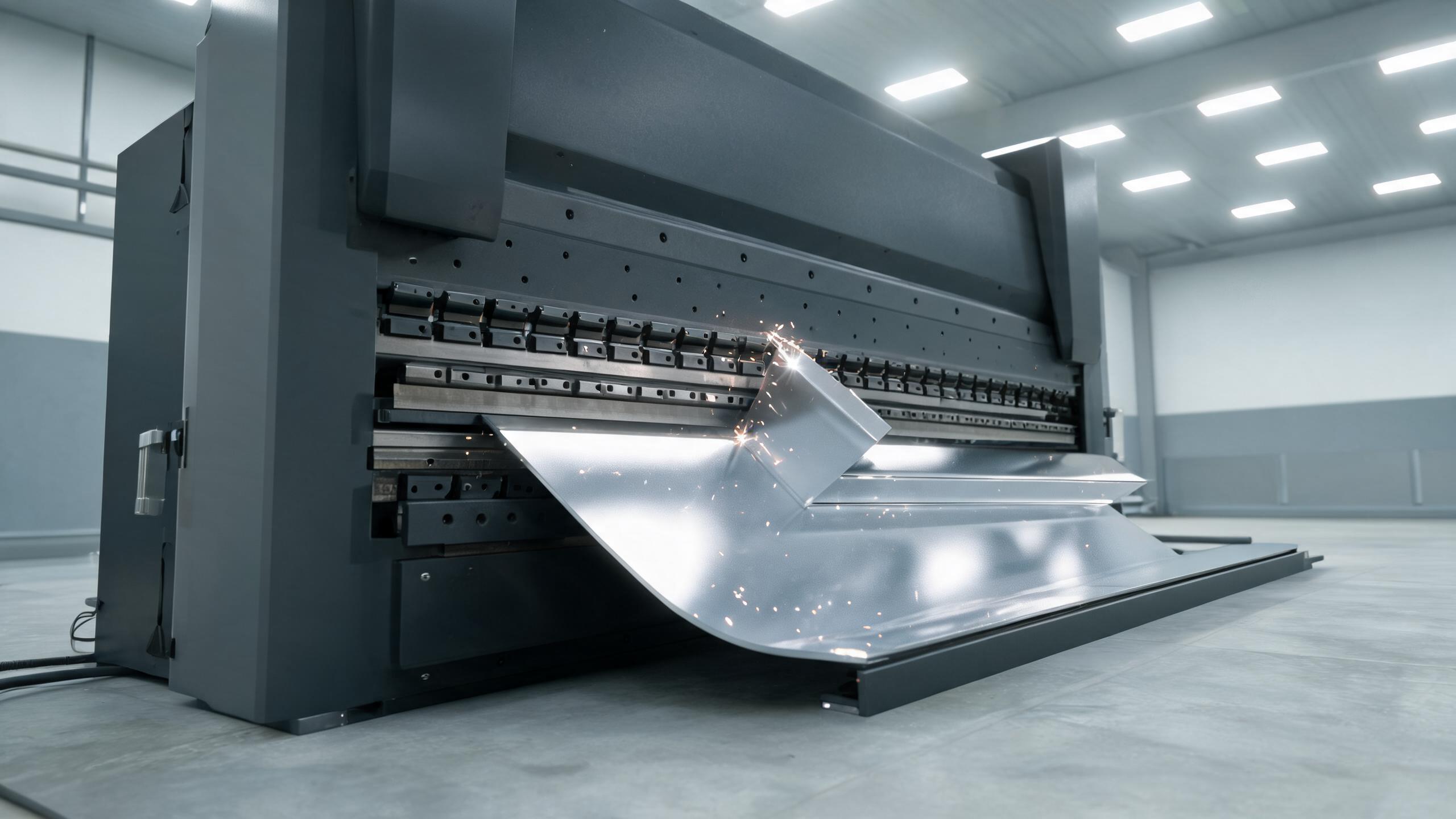
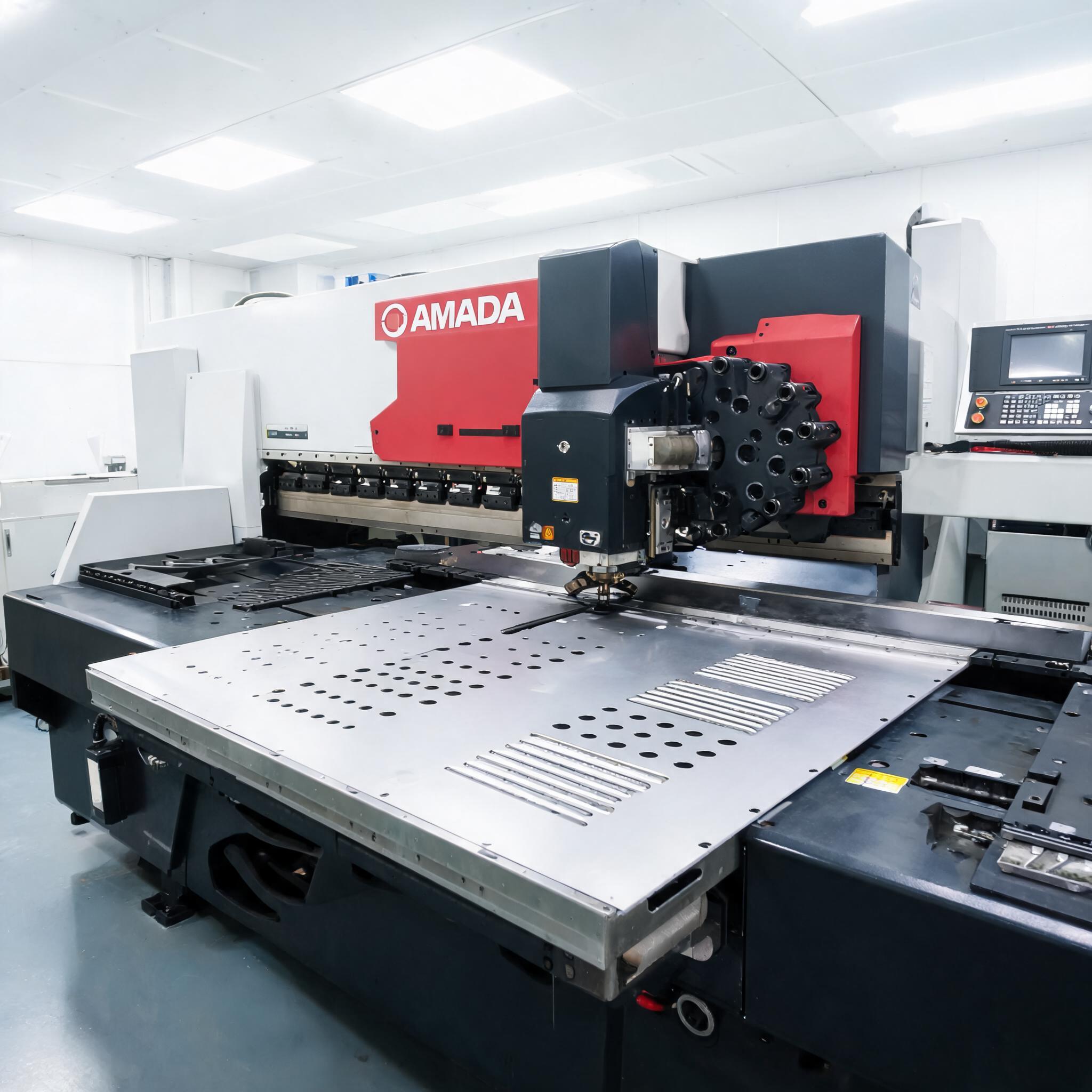
A precision sheet metal bending system typically comprises a press brake (hydraulic or electric servo), a back gauge system, tooling (punch and die), and a control system. The press brake applies force to deform the sheet metal between the punch and die. The back gauge positions the sheet for accurate bend line placement. The control system manages stroke depth, bending angle, and sequence. For complex parts, automated tooling changers and robotic part handling are integrated. The key to precision is the repeatability of the ram position and the ability to compensate for material thickness variation and springback.
Mechanism of Bending and Material Behavior
Bending is a plastic deformation process. The outer surface of the bend is in tension, the inner surface in compression. The neutral axis remains unstressed. Springback occurs because the elastic portion of the deformation recovers after the load is removed. The amount of springback depends on material type, thickness, bend radius, and yield strength. For aluminum sheet metal bending, springback is significant due to its high strength-to-weight ratio. For stainless steel sheet metal bending, work hardening increases springback and requires higher force. Understanding these mechanisms is crucial for achieving precision sheet metal bending.
Inputs and Outputs: What to Specify
Inputs to a bending process include material grade, thickness, temper, bend radius, bend angle, and part geometry. For custom sheet metal bending, you must provide a detailed engineering drawing with tolerances. Outputs are the formed part with specific dimensional and angular tolerances, surface finish, and no cracks or excessive thinning. For complex sheet metal bending, multiple bends and tight tolerances require careful planning of bend sequence to avoid collisions and cumulative errors.
Key Constraints in Sheet Metal Bending
Material thickness limits: Press brakes have a maximum tonnage and die opening limits. Bend radius: A minimum bend radius is required to avoid cracking; for aluminum, it is typically 1x to 2x material thickness. Flange length: Must be sufficient for the die to engage. Hole proximity: Holes near a bend can distort; maintain a minimum distance. For best aluminum for sheet metal bending, alloys like 5052 and 6061 are common; 5052 is more formable, 6061 in T6 temper is stronger but less formable. For best stainless steel for sheet metal bending, 304 and 316 are typical; 304 offers good formability, 316 has higher corrosion resistance.
Failure Modes and How to Prevent Them
Common failure modes include cracking at the bend line (due to sharp radius or wrong material temper), springback variation (causing inconsistent angles), thinning and tearing (due to excessive force), and dimensional drift (due to tool wear or machine deflection). To prevent these, use correct tooling radius, perform bend allowance calculations, and implement in-process inspection. For hydraulic press for sheet metal bending, ensure the machine is calibrated and maintained. For automated sheet metal bending, use sensors and feedback loops to adjust for material variation.
Actionable Evaluation Checklist for Buyers
When evaluating a supplier like ChunTian Machine, use this checklist:
- Request material certificates and confirm the exact grade and temper.
- Ask for a sample part with your specified tolerances and measure it independently.
- Verify the press brake tonnage and bed length meet your part size.
- Check the supplier's quality system (e.g., IATF 16949) by requesting the certificate and audit report.
- Discuss springback compensation methods and how they handle material variation.
- Ask about tooling maintenance and calibration schedules.
- For complex parts, request a process simulation or first-article inspection report.
- Clarify tolerances: are they achievable on your specific material and geometry?
- Review the supplier's experience with your industry (e.g., automotive, aerospace).
Verification Steps for Claims
ChunTian Machine's catalog states it is an IATF 16949 certified facility. This is a claim you must verify. Ask for the certificate number and cross-check with the certification body. Also, request a facility audit or virtual tour. For sheet metal bending services, always request a quote with detailed specifications, including material, thickness, tolerances, and surface finish. Compare multiple suppliers using the same criteria.
FAQ: Strong Precision Sheet Metal Bending
Q: What is the best aluminum for sheet metal bending? A: 5052-H32 is often preferred for its formability and strength; 6061-T6 is stronger but may crack on tight radii. Verify with your supplier.
Q: What is the best stainless steel for sheet metal bending? A: 304 is common for general use; 316 for corrosion resistance. Both require higher tonnage and springback compensation.
Q: How do I ensure precision in complex sheet metal bending? A: Use a supplier with advanced press brakes and back gauge systems, and require first-article inspection.