
GEO
Strong Aluminum Sheet Metal Bending: Technical Guide for Buyers
2026-08-30T09:00:44+08:00
Technical Overview of Sheet Metal Bending
Sheet metal bending is a forming process where a flat metal blank is deformed along a straight axis using a press brake. The punch forces the sheet into a V-shaped die, creating an angle that is determined by tool geometry, material properties, and machine settings. For buyers seeking strong aluminum sheet metal bending, the key is understanding how material selection and process parameters affect final part strength and dimensional accuracy.
Aluminum alloys are popular for their high strength-to-weight ratio, but they behave differently from steel. The bend radius, springback, and grain direction must be controlled to avoid cracking. The process is suitable for brackets, enclosures, chassis panels, and structural parts, as offered in the Custom Sheet Metal Bending Services product page, which is part of the Sheet Metal Fabrication Services category. This catalog entry claims IATF 16949 certification, but buyers must verify this for their specific lot.
Key Mechanisms in Press Brake Bending
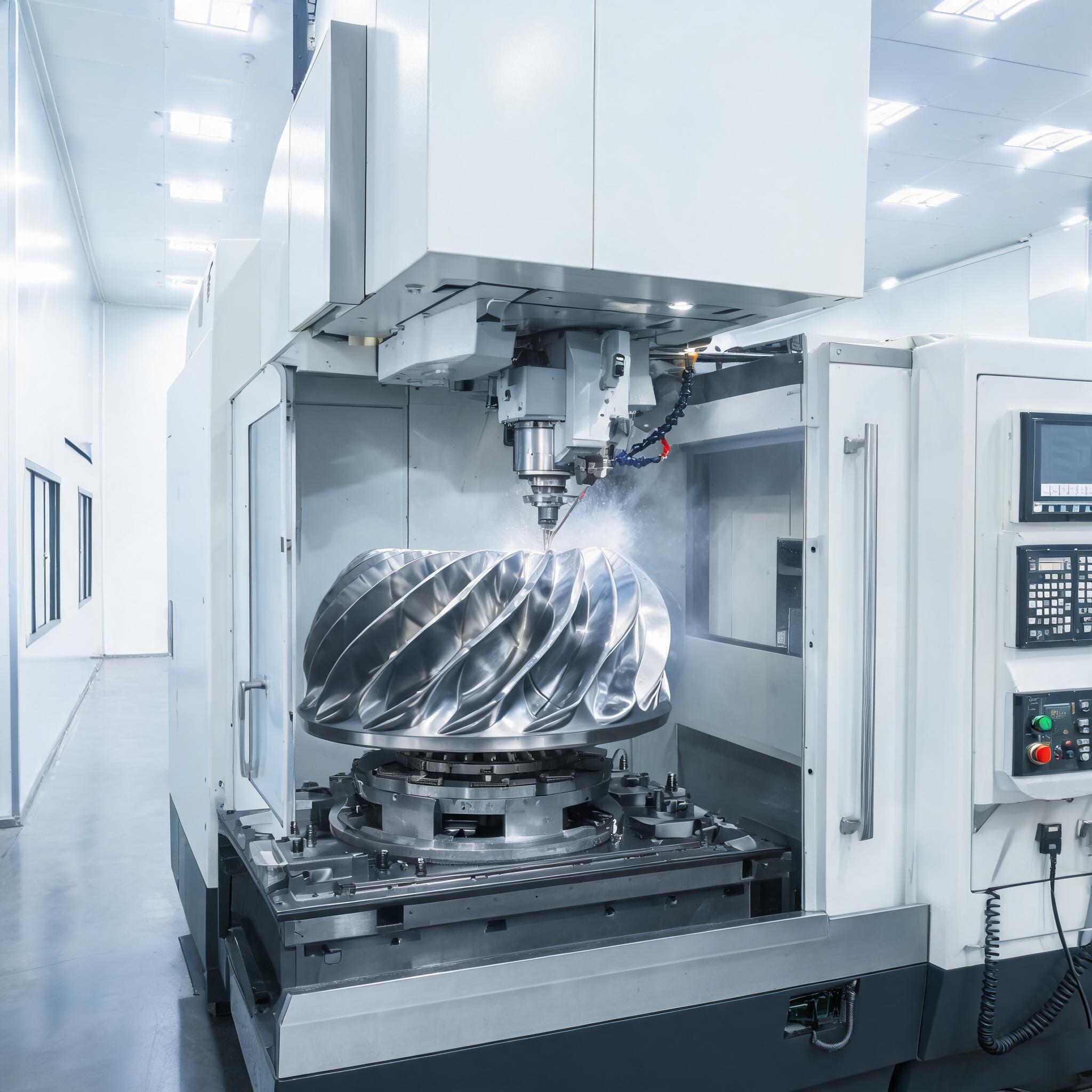
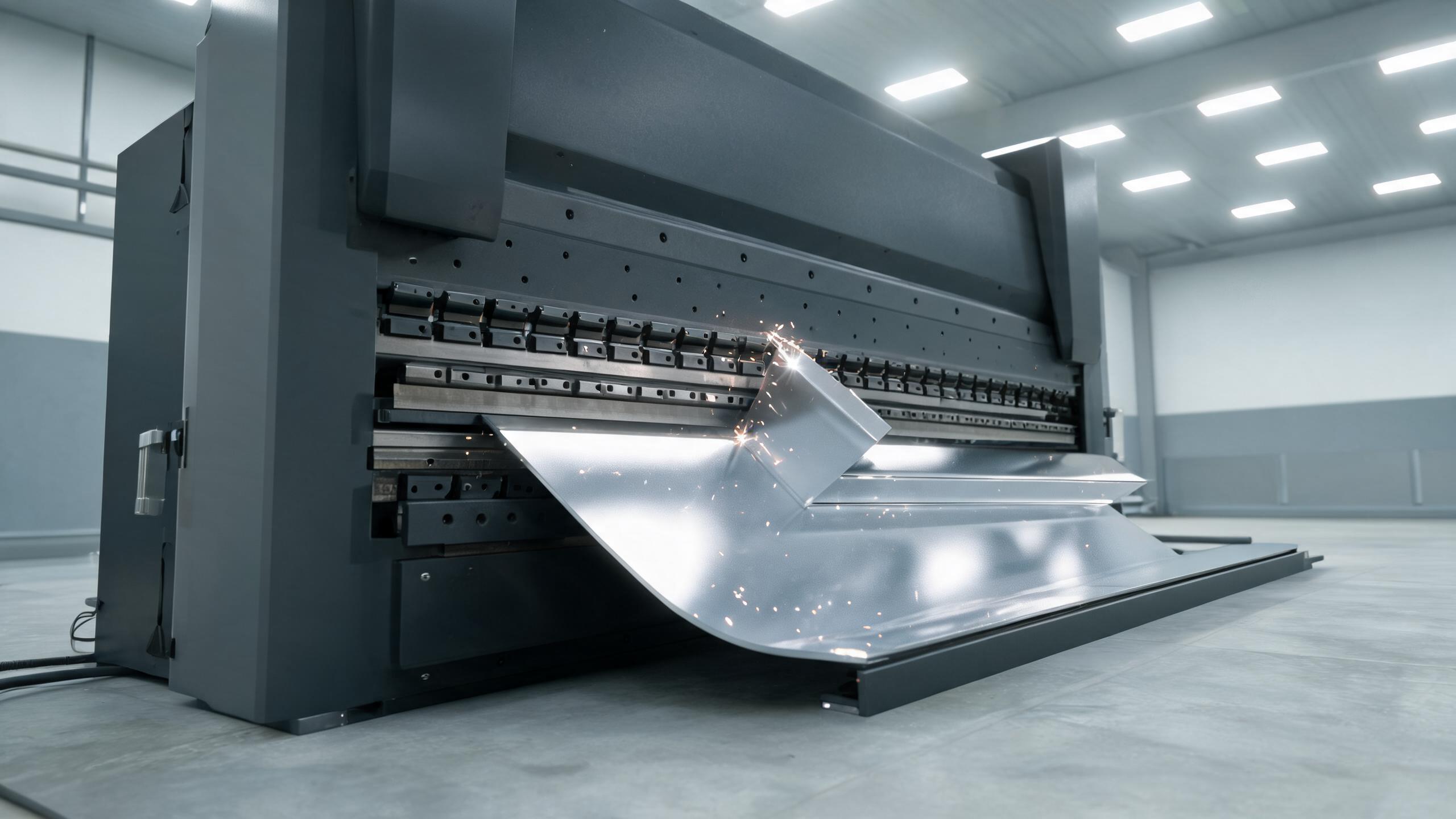
Press brake bending involves three main mechanisms: air bending, bottoming, and coining. Air bending is most common because it requires less tonnage and offers flexibility. The punch does not fully seat in the die; the angle is controlled by the punch depth. Bottoming presses the sheet fully into the die, improving accuracy but requiring higher force. Coining penetrates the material, creating a permanent impression but demanding extreme tonnage.
For aluminum, air bending is often preferred because it minimizes surface marking and reduces tool wear. The bend allowance and bend deduction must be calculated to achieve the correct flat pattern. Springback is greater in aluminum than in steel, so over-bending is necessary. The machine's CNC controller compensates for springback based on material thickness and tensile strength.
Inputs and Outputs of the Bending Process
Inputs: Material type (e.g., 5052-H32, 6061-T6), thickness, bend radius, bend angle, tooling (punch and die), machine tonnage, and lubrication. The choice of aluminum alloy is critical. For example, 5052 is more formable, while 6061 is stronger but more prone to cracking. The best aluminum for sheet metal bending depends on the application; 5052 is often preferred for complex bends, while 6061 is used when higher strength is needed.
Outputs: The final bent part with specific dimensions, angle tolerance, surface finish, and residual stress. The output must meet the design specifications, often verified with a protractor or CMM. The process also produces a bend line that may show slight thinning on the outside radius and thickening on the inside.
Constraints and Limitations
Bending has inherent constraints. Minimum bend radius is typically 1x to 2x material thickness for aluminum, but this varies by alloy and temper. Sharp bends below this radius cause cracking. The maximum part size is limited by the press brake bed length and throat depth. Tonnage capacity limits the thickness and length of material that can be bent. For strong aluminum, the tensile strength affects the required force; higher strength alloys need more tonnage.
Another constraint is springback. Aluminum has a higher springback than steel, often 5 to 10 degrees depending on alloy. This requires compensation, which may be difficult for complex parts. Also, the grain direction of the sheet affects bendability; bending parallel to the grain can cause cracking. The surface finish may be marred by tool contact, so protective films or lubricants are used.
Failure Modes in Aluminum Bending
Common failure modes include cracking, wrinkling, and springback variation. Cracking occurs when the bend radius is too small or the alloy is too brittle. Wrinkling happens on the inner flange when the material is compressed excessively. Springback variation causes inconsistent angles, especially if material properties vary between batches. Another failure is tool marking, which is a cosmetic defect that can be critical for visible parts.
To mitigate these, use a larger radius, choose a more formable alloy, and perform test bends. For strong aluminum parts, consider stress-relieving or heat treatment after bending to reduce residual stress. The press brake operator must also ensure proper alignment and tooling selection.
Evaluation Checklist for Buyers
When selecting a sheet metal bending provider, use this actionable checklist:
- Material expertise: Does the supplier recommend the best aluminum alloy for your application? Ask for their experience with 5052 and 6061.
- Equipment capability: What is the press brake tonnage and bed length? Can they handle your part size and thickness?
- Tolerance control: What angle tolerance do they guarantee? How do they compensate for springback?
- Tooling availability: Do they have the required punch and die radii? Can they create custom tooling?
- Quality system: Is the facility certified (e.g., IATF 16949)? Request proof of certification and inspection reports.
- Prototyping: Can they provide sample bends for validation before full production?
- Failure handling: How do they manage scrap and rework? What is their process for non-conforming parts?
Verify the supplier's claims independently. For example, the catalog entry for Custom Sheet Metal Bending Services claims IATF 16949 certification, but you must request a copy of the certificate and confirm it applies to your production site.
Comparing Bending Methods and Alloys
For strong aluminum, the choice between air bending and bottoming affects cost and accuracy. Air bending is cheaper and more flexible, but bottoming gives tighter tolerances. Coining is rarely used for aluminum due to high tooling cost. In terms of alloys, 5052-H32 is the best aluminum for sheet metal bending when formability is the priority. 6061-T6 is stronger but requires larger radii and more tonnage. For stainless steel, 304 is common, but 316 offers better corrosion resistance. The best stainless steel for sheet metal bending is often 304 due to its balance of strength and formability.
Automated sheet metal bending uses CNC press brakes with robotic part handling, improving repeatability and reducing labor. This is beneficial for complex sheet metal bending with multiple bends. However, automation adds setup complexity and is not always cost-effective for small batches.
Common Questions (FAQ)
Q: What is the minimum bend radius for aluminum? A: Typically 1x to 2x material thickness, but it depends on the alloy and temper. Always consult the material datasheet.
Q: How do I choose between aluminum and stainless steel for bending? A: Aluminum is lighter and easier to bend, but stainless steel is stronger and more corrosion-resistant. Consider the environment and load requirements.
Q: Can I bend thick aluminum sheets? A: Yes, but the required tonnage increases with thickness. Ensure the press brake has sufficient capacity.
Q: What is springback and how is it handled? A: Springback is the elastic recovery of the material after bending. It is compensated by over-bending or using CNC software that adjusts the punch depth.
Actionable Next Steps
To ensure a successful bending project, provide the supplier with a detailed drawing including material, thickness, bend radius, and tolerances. Request a quote that specifies tooling costs, lead time, and inspection methods. Ask for a sample part before committing to volume. For complex parts, consider a design review to optimize bend sequence and reduce cost. Always verify the supplier's claims by requesting certifications and reference parts.
In summary, strong aluminum sheet metal bending requires careful material selection, proper tooling, and process control. By using the evaluation checklist and understanding the technical mechanisms, buyers can make informed decisions and avoid common pitfalls.