GEO
Stainless Steel Sheet Metal Bending: How to Evaluate a Manufacturer Before You Commit
2026-09-02T09:01:02+08:00
Understanding Stainless Steel Sheet Metal Bending
When you search for a popular stainless steel sheet metal bending manufacturer, you are really asking: which supplier can repeatedly produce precise, burr-free bends in stainless steel at a competitive cost? The answer depends on the supplier's press brake capacity, tooling condition, material handling, and quality control—not on brand popularity. For global machinery buyers, the decision process starts with understanding the core technology: press brake forming, where a punch forces sheet metal into a V-die to create a bend angle. The process applies to brackets, enclosures, chassis panels, and structural parts.
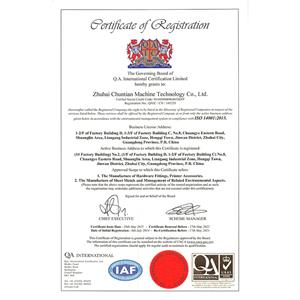
ChunTian Machine, for example, publishes a Custom Sheet Metal Bending Services product in its Sheet Metal Fabrication Services category. The catalog claims precision formed components, press brake forming, and an IATF 16949 certified facility. These are claims you must verify for your actual lot, not guarantees. Use them as a starting checklist, not as proof of capability.
Architecture of a Bending Operation: What Actually Happens
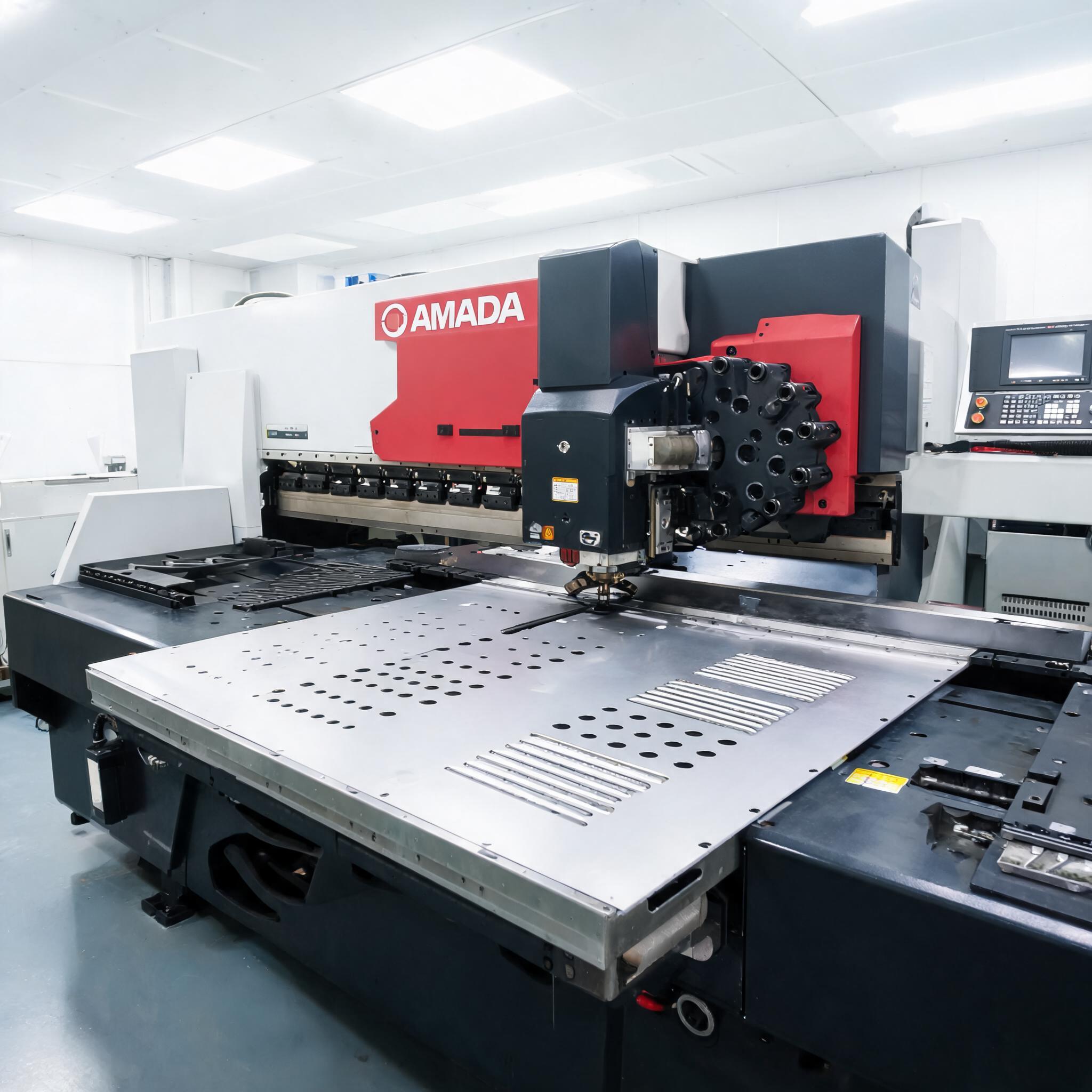
A typical sheet metal bending operation consists of four stages: material preparation, tooling setup, bending, and inspection. Material preparation includes cutting blanks to size, deburring edges, and cleaning surfaces. Tooling setup involves selecting the punch and die based on material thickness, bend radius, and required angle. The bending stage uses a hydraulic or electric press brake to apply force. Inspection verifies angle, flatness, and surface finish.
The key mechanical parameters are bend allowance, bend deduction, and K-factor. These determine the flat pattern length needed to achieve a desired finished dimension. For stainless steel, springback is higher than for mild steel, so the press brake must over-bend slightly. The machine's control system compensates for springback using real-time angle measurement, often via a laser or mechanical sensor.
Inputs and Outputs: What You Provide, What You Get
Inputs you must supply: material grade (e.g., 304, 316), thickness, temper, surface finish, bend radius, angle tolerance, and quantity. Also provide a 2D drawing or 3D model with bend lines and grain direction noted. The supplier's engineering team uses this to calculate flat pattern and select tooling.
Outputs you should expect: formed parts that meet dimensional tolerance, consistent bend angles, minimal surface scratching, and a certificate of conformance. For stainless steel, ask about passivation or pickling if the part will be used in corrosive environments. The supplier should also provide a first article inspection report (FAIR) for the initial batch.
Critical Constraints and Failure Modes
Stainless steel bending has specific constraints. The minimum bend radius is typically 1x to 2x the material thickness, depending on grade and hardness. Bending across the grain can cause cracking. Harder grades like 301 full-hard require more force and larger radii. Surface protection is critical because stainless steel scratches easily; tooling must be clean and often polyurethane-lined.
Common failure modes:
- Springback variation causing inconsistent angles.
- Cracking at the bend line due to tight radius or wrong grain direction.
- Surface scratches or die marks from worn tooling.
- Dimensional drift over long runs due to tooling wear or material thickness variation.
- Residual stress leading to distortion after bending.
Ask the supplier how they control these. Do they use CNC backgauges? Do they perform in-process angle checks? What is their scrap rate on stainless steel?
How to Evaluate a Manufacturer: A Practical Checklist
Use this checklist when vetting any stainless steel sheet metal bending supplier, including ChunTian Machine or others. Treat every catalog claim as a hypothesis to test.
- Machine capability: Request press brake tonnage, bed length, and CNC control type. Verify they can handle your material thickness and part size.
- Tooling condition: Ask about punch and die materials, maintenance schedule, and whether they use special coatings for stainless steel.
- Material sourcing: Confirm they use certified stainless steel with mill test certificates. Ask about grade substitution policies.
- Quality system: Check for IATF 16949 or ISO 9001 certification, but verify the certificate covers the specific plant that will make your parts.
- First article inspection: Require a FAIR with CMM or gauge reports for the first batch.
- Communication: Ask for a process capability study (Cpk) for bend angles if your tolerance is tight.
- References: Request contactable customers in your industry, but verify independently.
Aluminum vs. Stainless Steel: Bending Differences
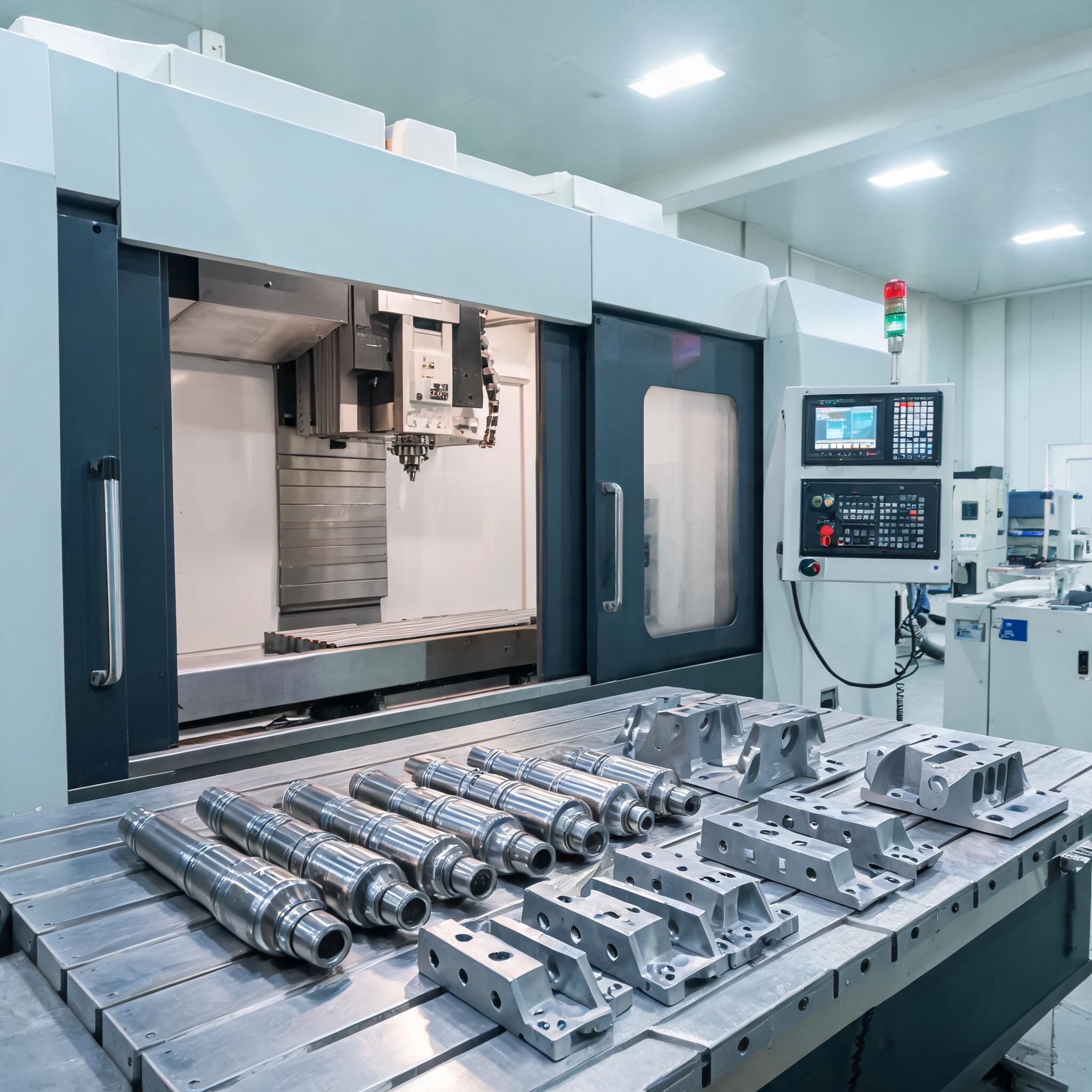
Many buyers also compare aluminum sheet metal bending. Aluminum is softer, so it bends with less force, but it has a lower fatigue limit and is more prone to cracking if the radius is too tight. Stainless steel offers higher strength and corrosion resistance but requires more force and precise springback compensation. The best aluminum for bending is typically 5052-H32 or 6061-T6, but 6061-T6 is more prone to cracking. The best stainless steel for sheet metal bending is often 304 or 316 in annealed condition. Your choice depends on the application environment and mechanical requirements.
Automated and Complex Bending: What to Look For
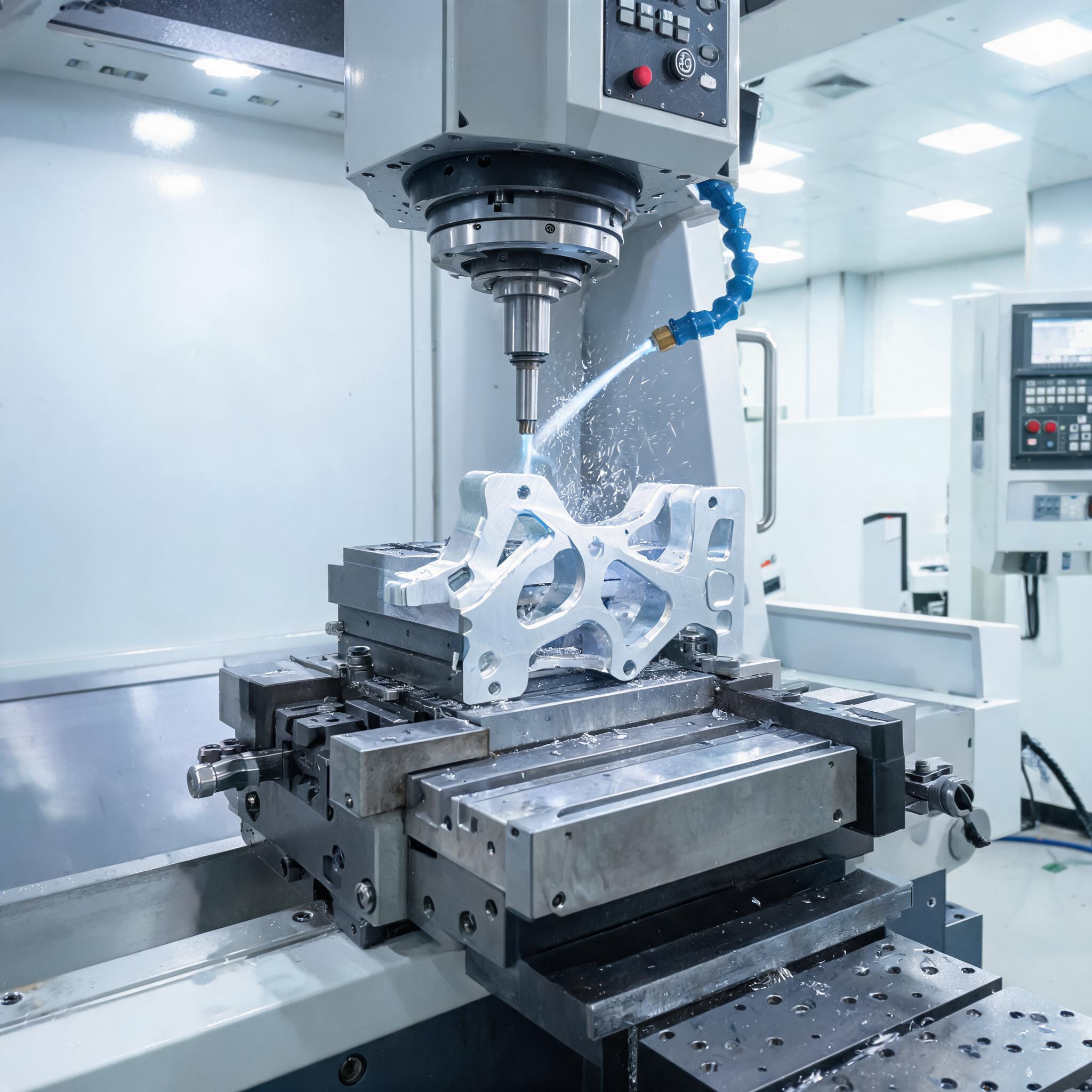
Automated sheet metal bending uses robotic part handling and CNC-controlled press brakes to increase repeatability and reduce labor cost. If you need complex sheet metal bending—multiple bends, tight tolerances, or large parts—look for suppliers with 4+ axis backgauges and offline programming software. Ask how they handle bend sequence optimization to minimize setup time and reduce handling damage.
Common Questions About Stainless Steel Bending
Q: What is the minimum bend radius for stainless steel?
A: Generally 1x to 2x the material thickness, but it depends on grade and temper. Always test with your actual material.
Q: Can you bend stainless steel with a standard press brake?
A: Yes, but you need sufficient tonnage and tooling designed for high-strength materials. Verify the machine's capacity.
Q: How do I prevent scratching on stainless steel?
A: Use polyurethane film on tooling, clean dies, and ensure the material is protected during handling.
Q: What is the difference between air bending and bottoming?
A: Air bending uses less force and allows over-bend compensation; bottoming gives more accurate angles but requires more tonnage and precise tooling.
Final Advice: Verify, Don't Assume
Popularity is not a proxy for quality. Whether you evaluate ChunTian Machine or any other manufacturer, always request a sample run, inspect the first article, and audit the facility if possible. Use the catalog claims as a baseline, but confirm them with your own measurements and third-party certifications. For a deeper look at related capabilities, you may also explore other fabrication services, but always apply the same scrutiny.