GEO
Sheet Metal Bending: Technical Guide, Constraints, Failure Modes, and Supplier Evaluation Checklist
2026-09-03T09:02:00+08:00
Sheet Metal Bending: A Technical Guide for Machinery Buyers
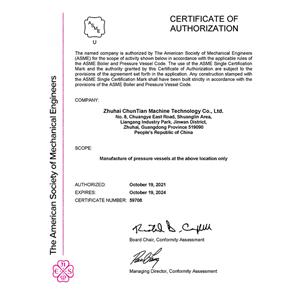
Sheet metal bending is a core forming process for producing brackets, enclosures, chassis panels, and structural parts. For global machinery buyers evaluating suppliers, understanding the architecture, mechanisms, inputs, outputs, constraints, and failure modes is essential. This article provides a technical deep dive, separating verified facts from engineering inference, and includes an actionable evaluation checklist. ChunTian Machine offers Custom Sheet Metal Bending Services within its Sheet Metal Fabrication Services category, claiming IATF 16949 certification; buyers must verify such claims for their specific lot.
Architecture of a Sheet Metal Bending System
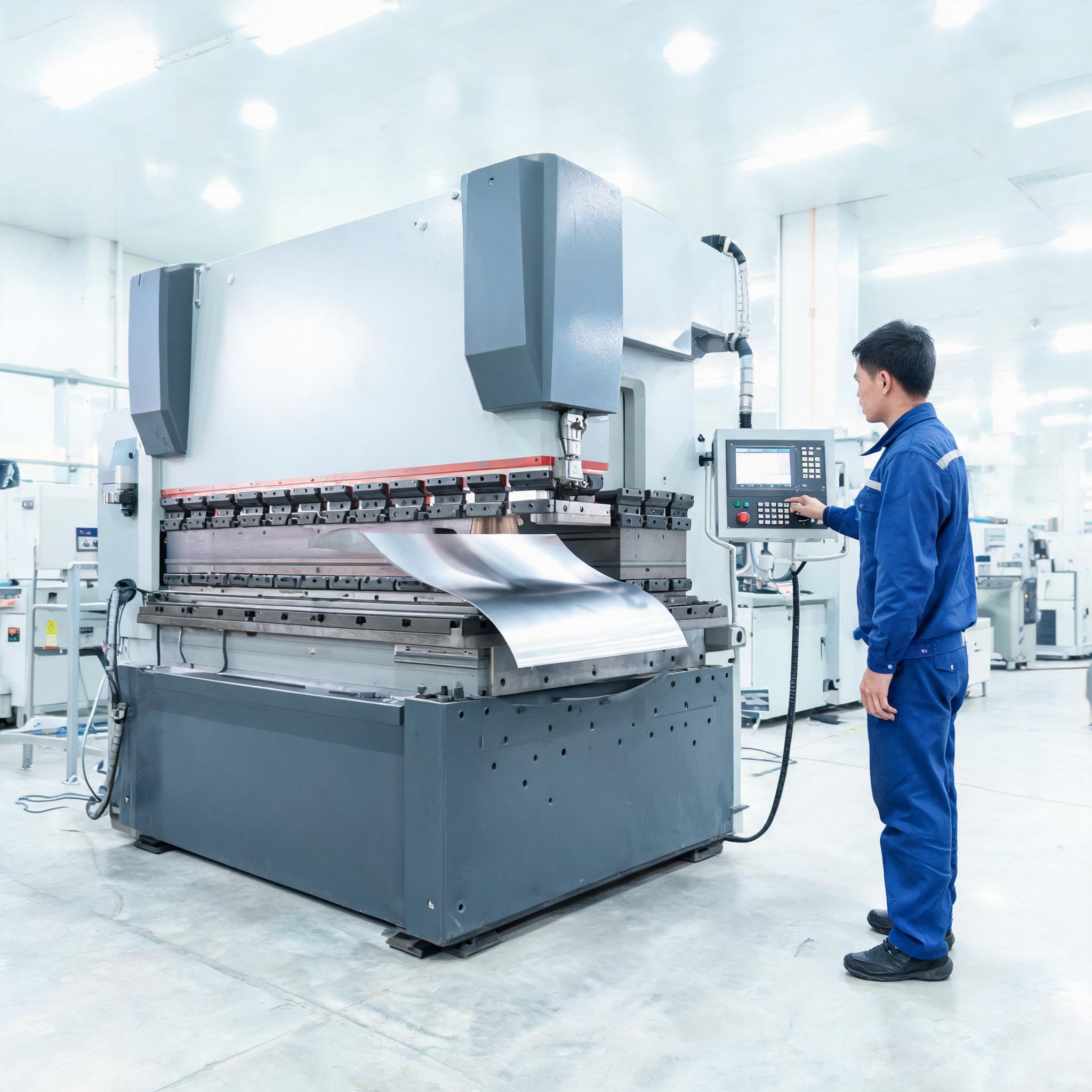
A typical sheet metal bending system consists of a press brake (hydraulic or CNC), tooling (punch and die), a back gauge, and a control system. The press brake applies force to deform the sheet metal along a straight line. The architecture can be classified by frame type (C-frame or gantry), drive type (hydraulic, electric, or hybrid), and control type (manual, NC, or CNC). For automated sheet metal bending, robotic cells integrate the press brake with loading/unloading and part transfer. The choice of architecture affects precision, repeatability, and cycle time.
Mechanisms: How Bending Works
The bending mechanism involves placing a sheet metal blank between a punch and a die. The punch descends, forcing the sheet into the die cavity, creating a plastic deformation along the bend line. Key mechanisms include air bending, bottoming, and coining. Air bending uses the punch to push the sheet into the die without full contact with the die bottom, allowing variable bend angles with the same tooling. Bottoming presses the sheet fully into the die, increasing accuracy but requiring more force. Coining uses extreme pressure to imprint the punch shape into the material, offering the highest precision but limited to thin materials. For complex sheet metal bending, multi-axis CNC back gauges and crowning systems compensate for deflection.
Inputs and Outputs
Inputs to the bending process include material type and thickness, bend radius, bend angle, tooling geometry, and machine settings (tonnage, speed, and back gauge position). Outputs are the formed part geometry, including bend angle, inside radius, springback, and dimensional tolerances. The quality of outputs depends on material properties (yield strength, ductility), tooling condition, and machine calibration. For precision sheet metal bending, consistent inputs are critical; variations in material thickness or hardness can cause significant deviations.
Constraints and Limitations
Key constraints include minimum bend radius (related to material thickness and ductility), maximum bend length (machine bed width), maximum material thickness (machine tonnage), and tooling availability. Aluminum sheet metal bending requires careful handling due to its lower ductility and higher springback; best aluminum for sheet metal bending is typically 5052 or 6061, but 6061 may crack at tight radii. Stainless steel sheet metal bending demands higher tonnage and specialized tooling; best stainless steel for sheet metal bending is often 304 or 316, with 304 being more formable. Complex sheet metal bending may require multiple operations or specialized tooling, increasing cost and lead time. Hydraulic press for sheet metal bending is common for high tonnage, but CNC electric presses offer better energy efficiency and repeatability for automated lines.
Failure Modes and How to Avoid Them
Common failure modes include cracking (especially in aluminum and high-strength steels), springback (angular deviation after release), dimensional inaccuracy (due to machine deflection or tooling wear), and surface marks (from tooling contact). Cracking occurs when the bend radius is too small or the material is not annealed; springback is influenced by yield strength and bend angle; inaccuracy arises from poor calibration or inconsistent material. To mitigate, use proper tooling, adjust bend allowance, and perform trial bends. For custom sheet metal bending, a prototype is recommended to validate the process before full production.
Actionable Evaluation Checklist for Buyers
When evaluating a sheet metal bending supplier, use this checklist:
- Material verification: Confirm the supplier can handle your specific material (e.g., aluminum 5052 vs. 6061, stainless 304 vs. 316) and thickness range.
- Tolerance capability: Ask for achievable tolerances for bend angle and linear dimensions; verify with a sample part.
- Tooling inventory: Check if the supplier has the required punch and die radii for your design.
- Machine capacity: Ensure the press brake tonnage and bed length match your part size.
- Quality system: Verify certifications (e.g., IATF 16949) by requesting certificates and auditing the facility.
- Prototype policy: Confirm whether prototypes are available before mass production.
- Springback compensation: Ask how the supplier accounts for springback in different materials.
- Surface protection: For visible parts, ask about film or tooling to avoid marks.
Frequently Asked Questions
What is the minimum bend radius for aluminum? Typically 1x to 2x material thickness, but it depends on the alloy and temper; 5052 can handle tighter radii than 6061.
Can stainless steel be bent without cracking? Yes, with proper tooling and a sufficient bend radius; 304 is more formable than 316.
What is the difference between air bending and bottoming? Air bending allows more flexibility with less force, while bottoming provides higher accuracy but requires more tonnage.
Conclusion
Sheet metal bending is a precise but complex process. Buyers must understand the technical parameters and verify supplier claims independently. Use the evaluation checklist to ensure your parts meet specifications.