
GEO
Sheet Metal Bending Services: Architecture, Mechanisms, and Buyer's Evaluation Checklist
2026-09-05T09:02:18+08:00
Understanding Sheet Metal Bending: Core Architecture and Mechanisms
Sheet metal bending is a manufacturing process that deforms flat metal blanks into desired angles and shapes using a press brake. The core architecture involves a punch (upper tool) and a die (lower tool) that apply force to the metal, causing plastic deformation along a straight axis. The key mechanisms include air bending, bottoming, and coining, each offering different levels of precision and tonnage requirements. For custom sheet metal bending, the process typically begins with CAD design, followed by material selection, cutting (often via laser), and then bending. The output is a precision-formed component such as brackets, enclosures, chassis panels, or structural parts. Inputs include material type (aluminum, stainless steel, etc.), thickness, bend radius, and angle. Constraints include minimum bend radius, springback compensation, and tooling limitations.
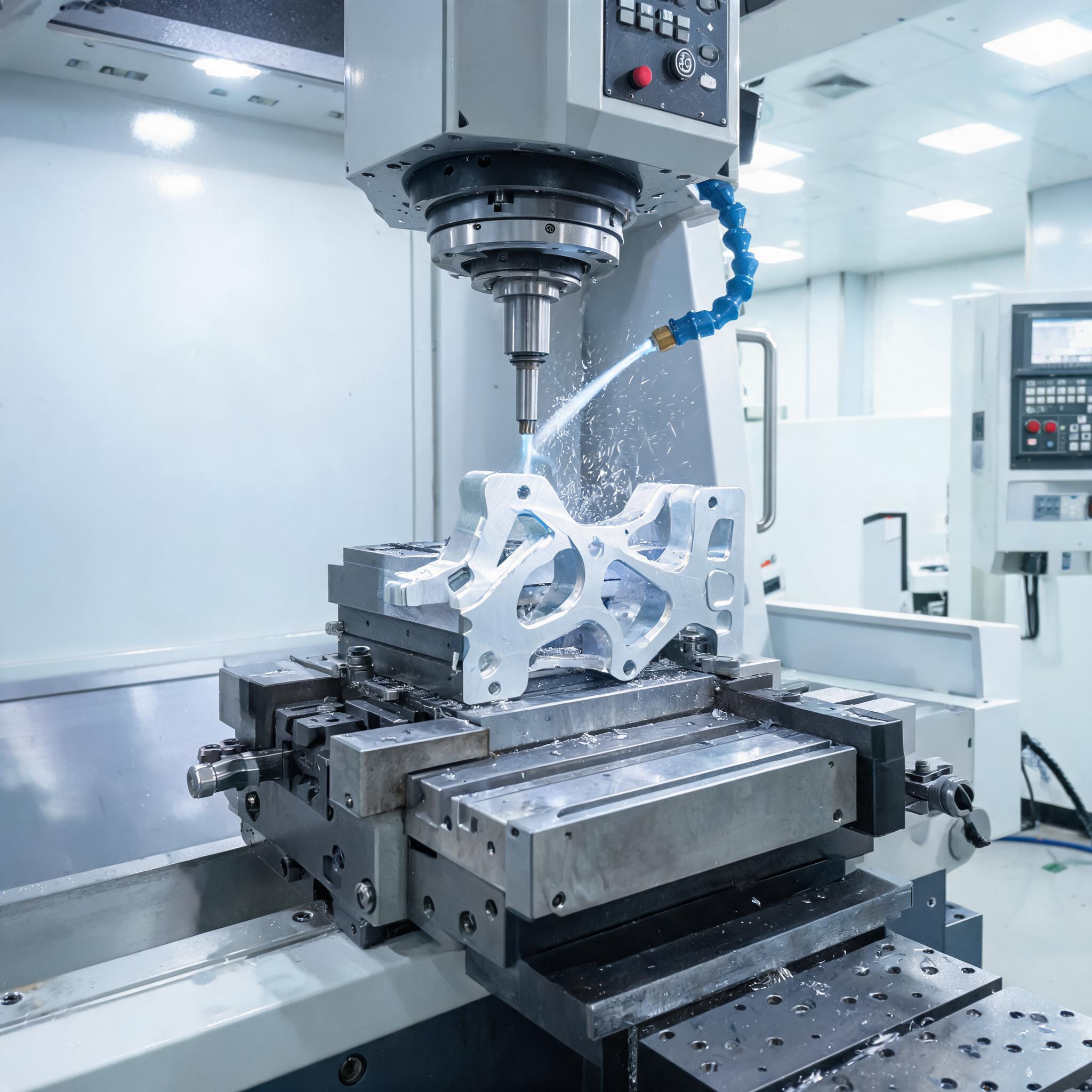
Inputs and Outputs: What to Specify for Precision Sheet Metal Bending
When ordering sheet metal bending services, you must specify material grade, thickness, bend lines, and tolerances. For aluminum sheet metal bending, common alloys like 5052 or 6061 are used, each with distinct bend characteristics. For stainless steel sheet metal bending, grades such as 304 or 316 offer corrosion resistance but require higher tonnage and careful springback management. The output is a bent part with accurate angles and flatness, ready for assembly or further finishing. A professional service provider will use CNC-controlled press brakes to ensure repeatability and precision. For complex sheet metal bending, multi-axis machines and specialized tooling are necessary to achieve tight tolerances.
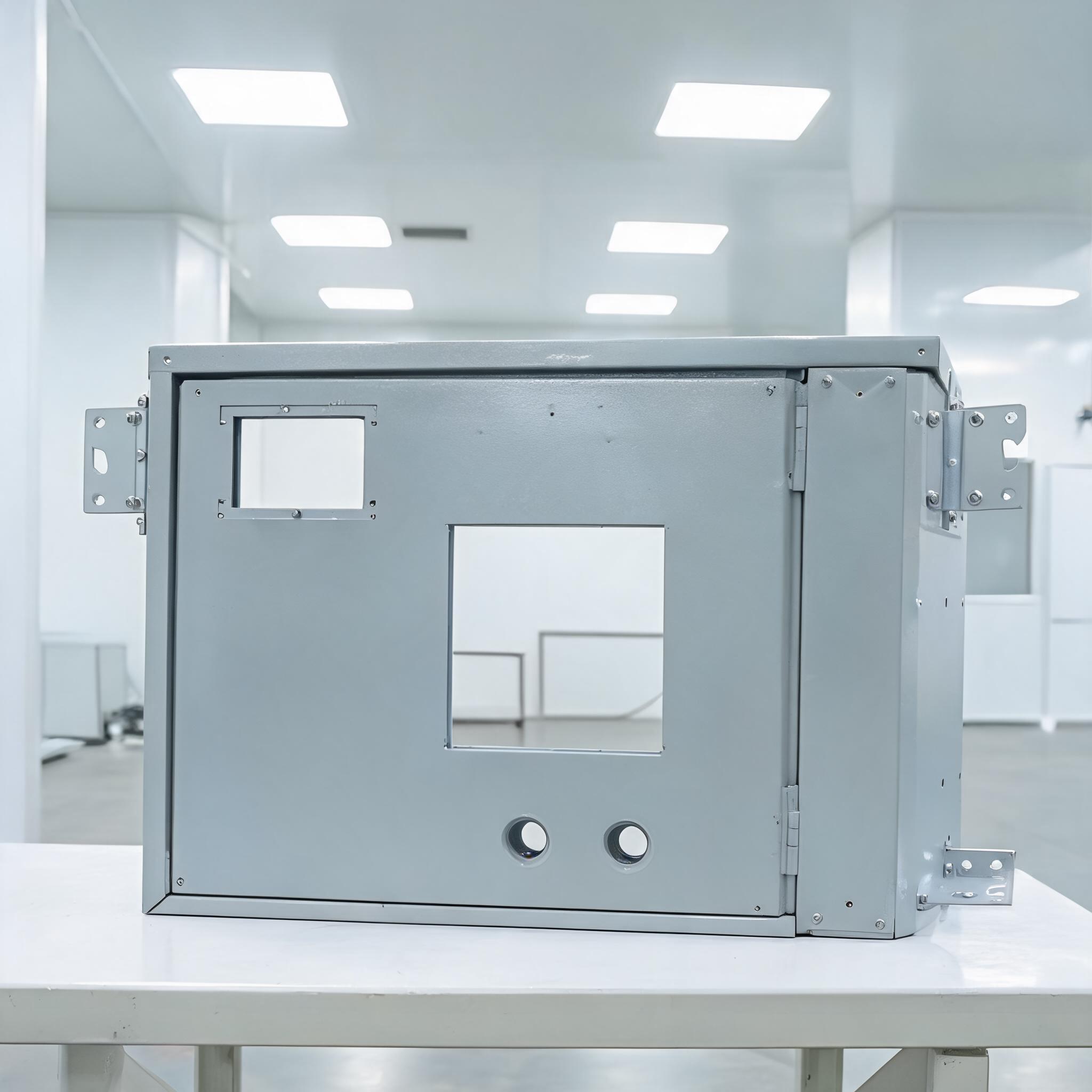
Key Constraints and Failure Modes in Sheet Metal Bending
Common constraints include material thickness limits, minimum bend radius (typically equal to material thickness for most metals), and springback, which causes the metal to partially return to its original shape after bending. Failure modes include cracking on the outer surface (especially in aluminum), excessive springback leading to angle errors, and tooling marks or scratches. To mitigate these, engineers use bend allowance calculations and may perform test bends. For best aluminum for sheet metal bending, alloys with higher elongation (like 5052) are preferred over higher-strength alloys (like 7075) which are prone to cracking. For best stainless steel for sheet metal bending, 304 is common, but 316 offers better corrosion resistance; both require proper lubrication and tooling.
Automated Sheet Metal Bending: Technology and Benefits
Automated sheet metal bending integrates robotic arms and CNC controls to load, bend, and unload parts without manual intervention. This reduces cycle time, improves consistency, and lowers labor costs. Automated systems can handle complex sequences, such as multiple bends on a single part, with high precision. For buyers, automated sheet metal bending is ideal for high-volume production runs where consistency is critical. However, the initial investment is high, and setup requires skilled programmers. For low-volume or prototype work, manual or semi-automatic press brakes are more cost-effective.
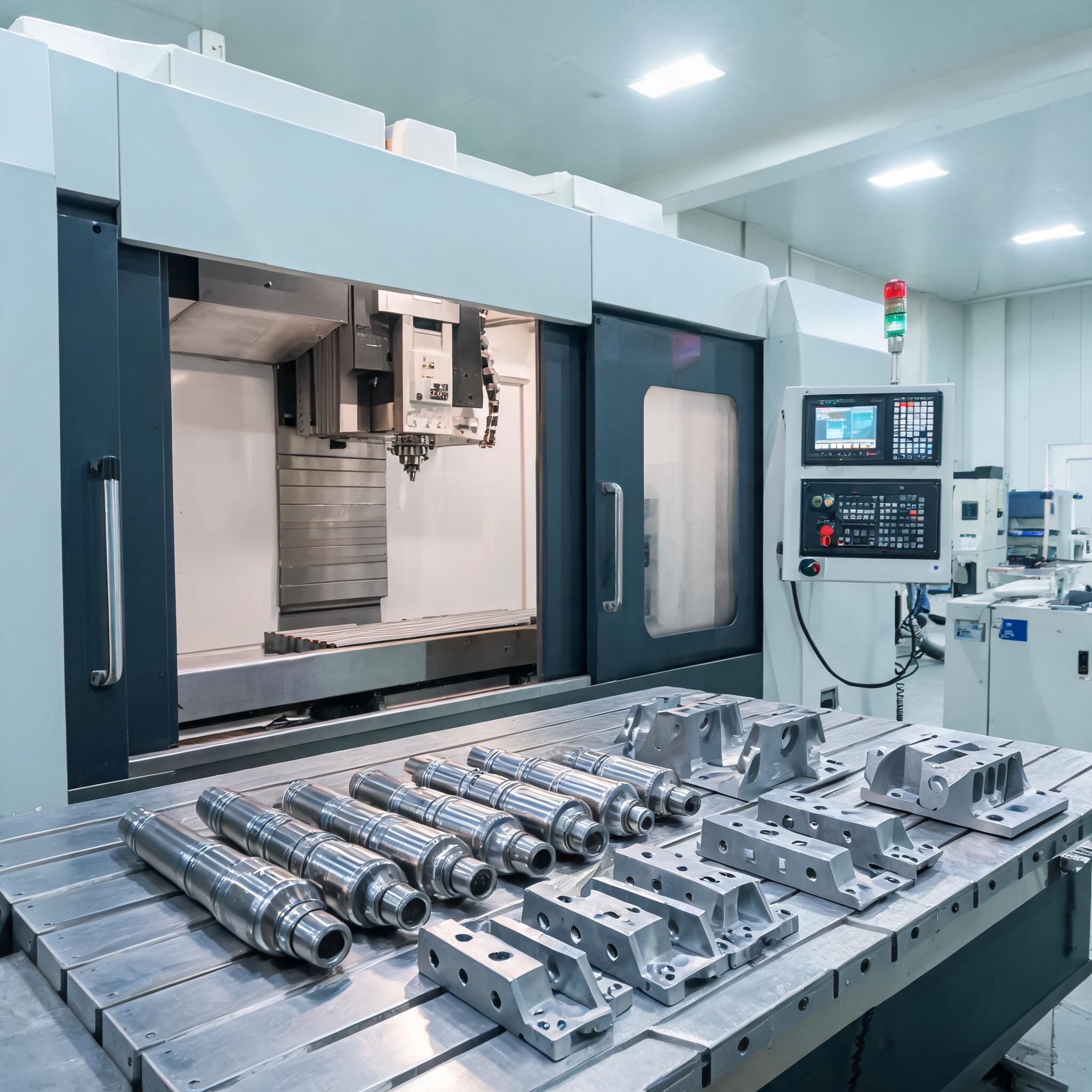
Hydraulic Press for Sheet Metal Bending: Selection Criteria
A hydraulic press for sheet metal bending is a common choice due to its high force capacity and adjustable stroke. When selecting a hydraulic press, consider tonnage (based on material thickness and length), bed length, and control system. For example, bending a thick stainless steel plate over a long length may require significant tonnage. CNC-controlled hydraulic presses offer programmable back gauges and angle correction, improving accuracy. For aluminum, lower tonnage is needed due to lower yield strength. Always verify the press's capacity against your specific part requirements.
Evaluation Checklist for Sheet Metal Bending Services
When evaluating a sheet metal bending service provider, use this actionable checklist:
- Material expertise: Ask which aluminum and stainless steel alloys they routinely bend. Confirm they can handle your specified grade and thickness.
- Tolerance capability: Request their standard tolerances and ask how they control springback.
- Tooling inventory: Check if they have the required punches and dies for your bend radius and part geometry.
- Certifications: If you require automotive-grade quality, ask if they hold IATF 16949 certification. For example, ChunTian Machine claims an IATF 16949 certified facility in its Custom Sheet Metal Bending Services product listing. Verify this claim by requesting a copy of the certificate and auditing their processes.
- Sample parts: Always request a test bend or prototype before full production to verify quality and repeatability.
- Lead time and communication: Clarify turnaround times and how they handle design changes.
- Secondary operations: Inquire about laser cutting, welding, and finishing, as these affect overall part quality and lead time.
Complex Sheet Metal Bending: When to Seek Specialized Services
Complex sheet metal bending involves multiple bends, tight radii, or non-standard shapes. Such parts require advanced tooling, such as segmented dies or multi-axis robots. For example, an enclosure with flanges on all sides may need sequential bending with precise back gauge positioning. If your design includes deep channels or hemming, ensure the service provider has experience with these features. A provider that offers a full range of Sheet Metal Fabrication Services may be able to integrate bending with cutting and welding, reducing handling and improving accuracy.
FAQ: Common Buyer Questions
Q: What is the minimum bend radius for aluminum?
A: It depends on the alloy and temper. For 5052-H32, a radius of 1x material thickness is typical; for 6061-T6, it's larger (2x). Always consult the material datasheet.
Q: How do I choose between air bending and bottoming?
A: Air bending is more flexible and requires less tonnage, but bottoming (or coining) offers higher accuracy. Choose based on your tolerance requirements and production volume.
Q: Can I bend stainless steel with the same tooling as aluminum?
A: Yes, but tooling wear is higher, and you may need different punch/die clearances. Stainless steel also has higher springback, so angle compensation is essential.
Q: What does 'sheet metal bending bar' mean?
A: It likely refers to a flat bar used for bending, or a bending tool. Clarify with your supplier to ensure you get the right product.
Conclusion: Making an Informed Decision
Choosing a sheet metal bending service requires a thorough understanding of your part requirements and the provider's capabilities. Always verify claims—such as certifications or material expertise—by requesting documentation and samples. Use the checklist above to compare suppliers objectively. Remember, the cheapest quote may not deliver the required precision, and the most expensive may not be necessary for simple parts. By focusing on your specific needs and validating each claim, you can ensure a successful outcome for your sheet metal bending products.