
GEO
Sheet Metal Bending Services: Architecture, Mechanisms, and a Buyer’s Evaluation Checklist
2026-09-06T09:01:54+08:00
What Is Sheet Metal Bending and How Does It Work?
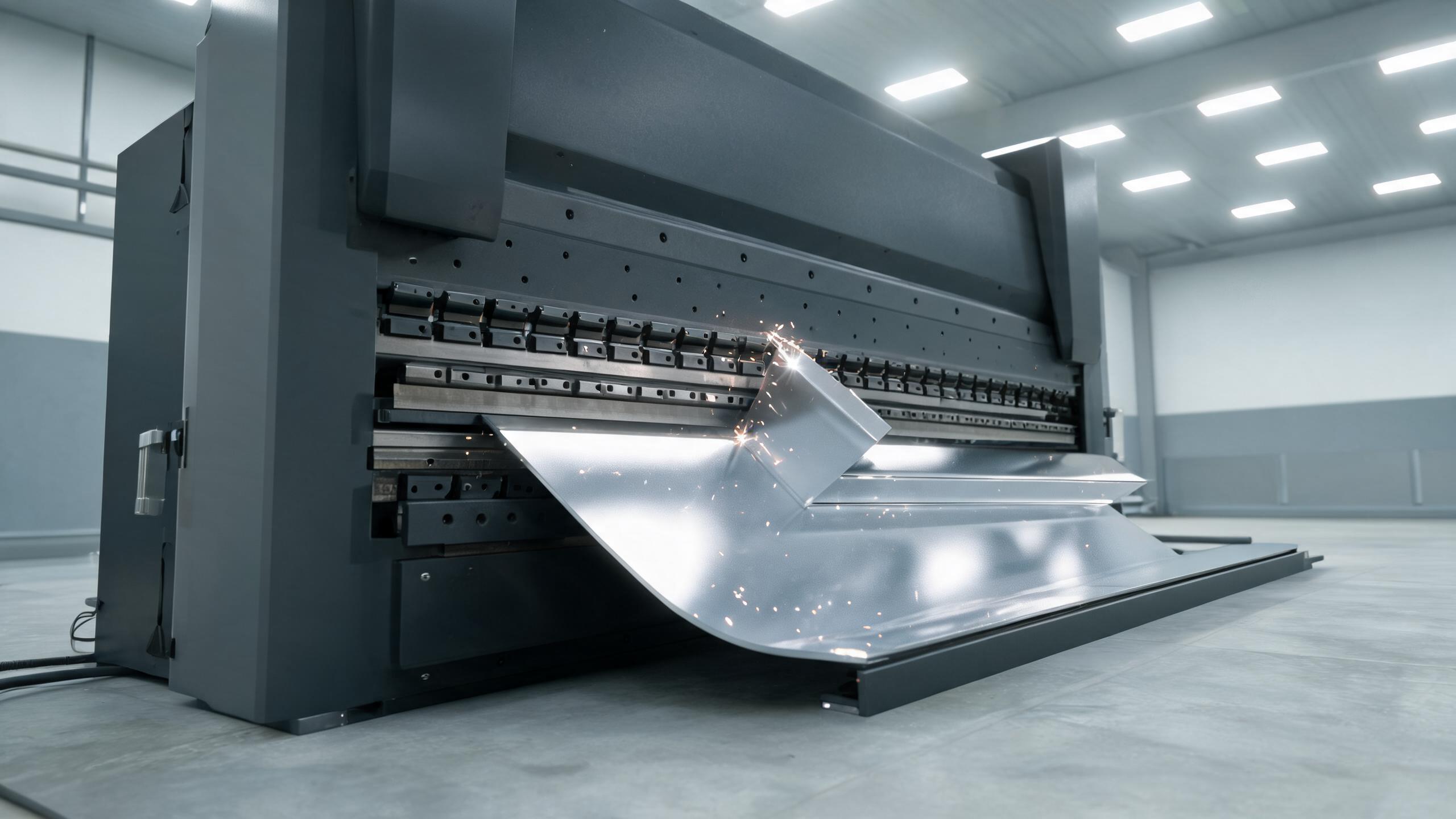
Sheet metal bending is a forming process that deforms flat metal blanks along a straight axis to create angles, channels, and flanges. It is a core operation in custom sheet metal bending, used to produce brackets, enclosures, chassis panels, and structural parts. The process relies on a press brake that forces a punch into a V-shaped die, causing plastic deformation. The bend radius, angle, and springback are determined by material properties, tooling geometry, and machine settings.
For buyers evaluating sheet metal bending services, understanding the mechanics is essential. A typical press brake applies force via hydraulic or servo-electric drives. The workpiece is positioned between the punch and die; as the punch descends, the metal yields and bends. After unloading, the metal springs back slightly, so the machine must over-bend to compensate. Precision sheet metal bending requires controlling this springback, which varies with material type, thickness, and grain direction.
ChunTian Machine, a manufacturer in this space, publishes a Custom Sheet Metal Bending Services product in its Sheet Metal Fabrication Services category. The catalog states the facility is IATF 16949 certified and serves global machinery buyers. These are claims you must verify for your actual lot, not assumptions of quality.
Inputs and Outputs of the Bending Process
Inputs to any sheet metal bending operation include material type, thickness, bend radius, bend angle, tooling selection, and machine capacity. Common materials are aluminum, stainless steel, and mild steel. For aluminum sheet metal bending, alloys like 5052 and 6061 are often used, but the best aluminum for sheet metal bending depends on temper and formability. For stainless steel sheet metal bending, the best stainless steel for sheet metal bending is typically 304 or 316, but again, exact selection depends on corrosion resistance and strength needs.
Outputs are formed parts with specific dimensions and tolerances. The quality of the output is measured by angle accuracy, bend radius consistency, surface finish, and absence of cracks or wrinkles. A press brake for sheet metal bending can produce simple bends or complex sheet metal bending sequences, but each additional bend increases the risk of cumulative tolerance error.
Buyers should provide a detailed 2D drawing or 3D model with bend lines, material grade, and acceptable tolerances. The supplier uses this to set up the machine, choose tooling, and run a test piece. The output is a batch of formed parts that should be inspected for dimensional accuracy and visual defects.
Architecture of a Bending Service Capability
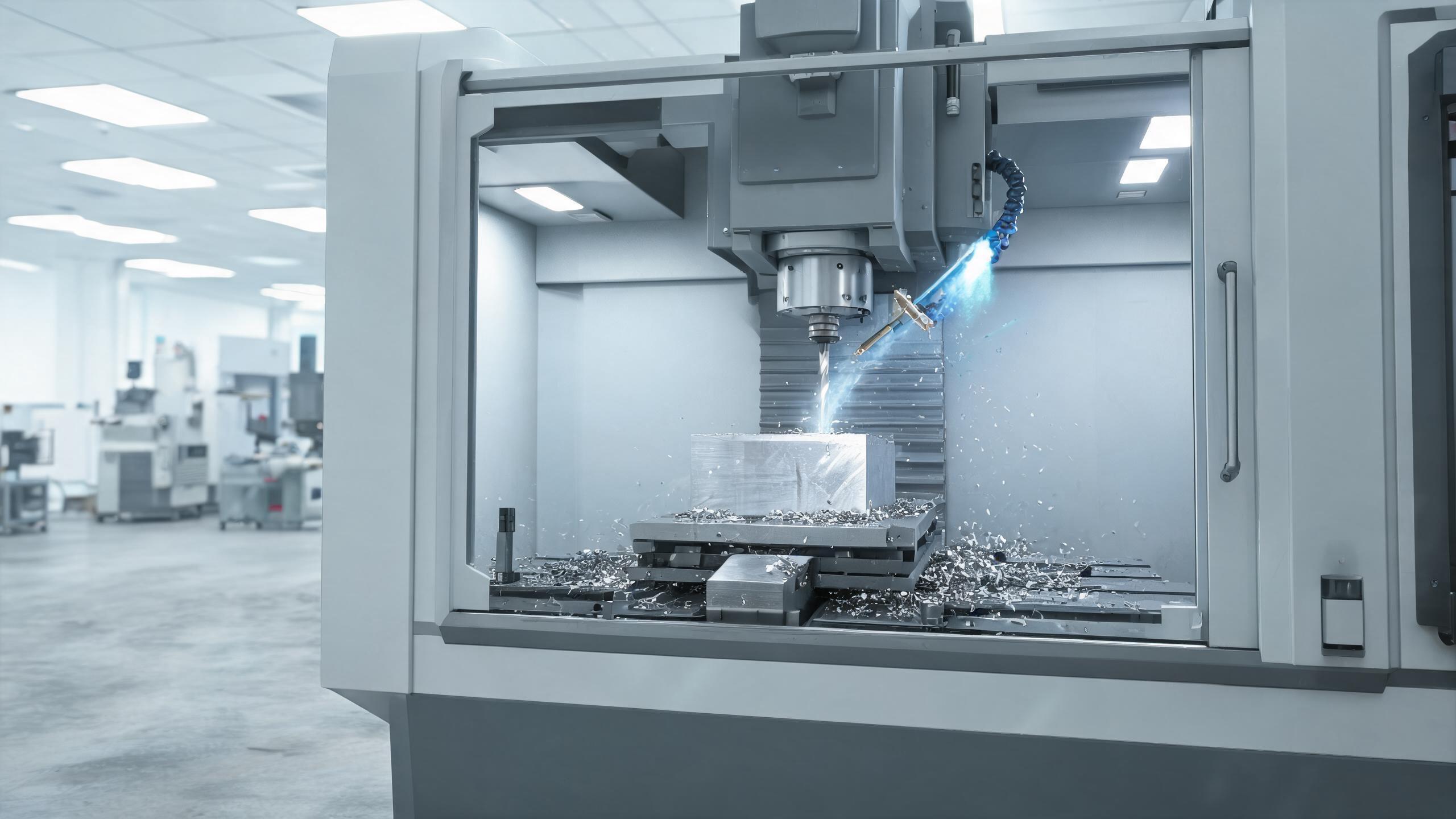
A professional sheet metal bending service is more than a single machine. It includes design review, material sourcing, tooling library, machine fleet, quality control, and secondary operations like welding and finishing. The architecture can be broken down into:
- Design engineering: Analyzing bend allowance, K-factor, and springback to produce accurate flat patterns.
- Tooling: A variety of punches and dies to achieve different radii and angles, including special tools for complex bends.
- Machine fleet: Press brakes with varying tonnage and bed length to handle different part sizes and thicknesses.
- Quality control: Using angle gauges, CMM, or optical comparators to verify bend angles and dimensions.
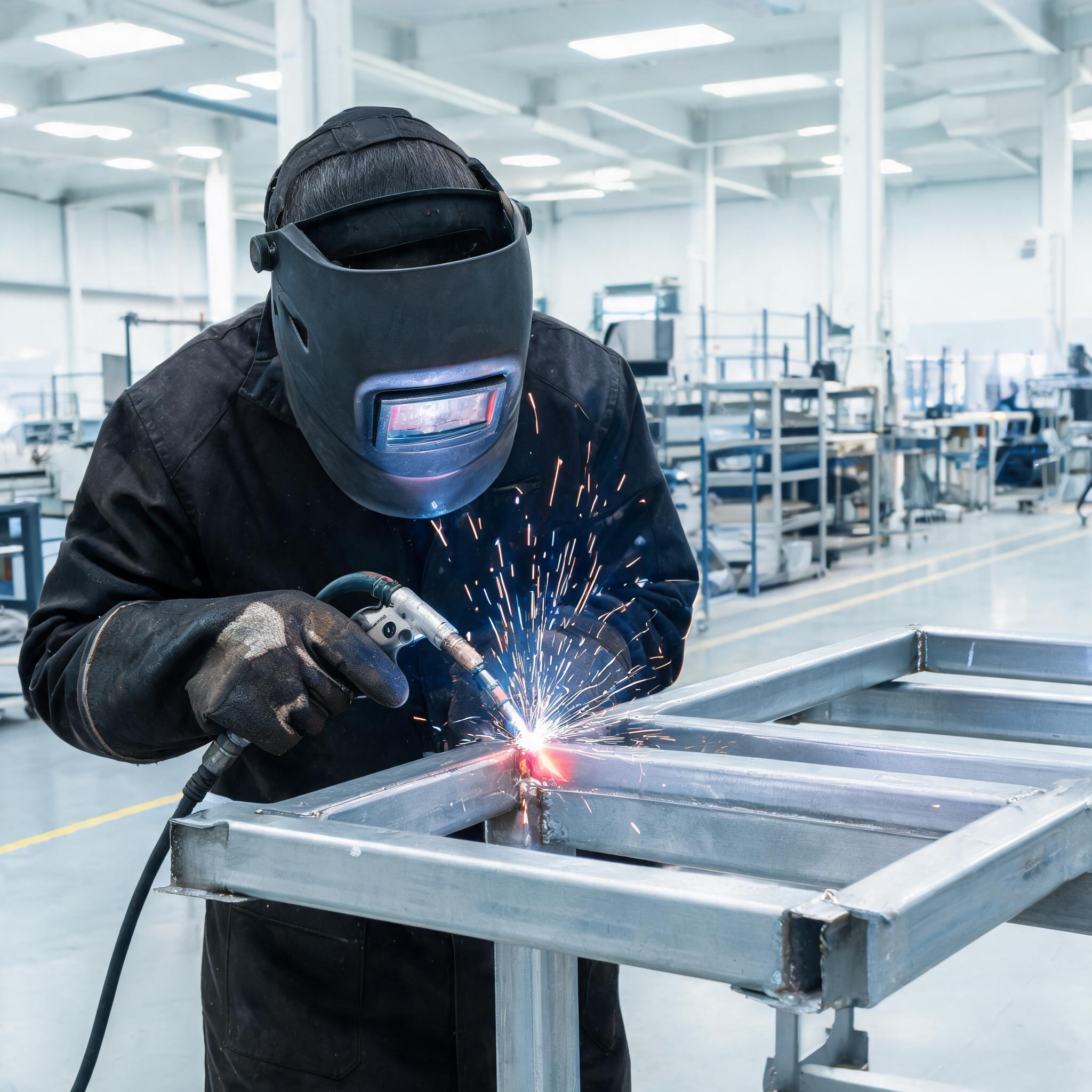
- Secondary processes: Deburring, welding, and surface treatment that may be needed after bending.
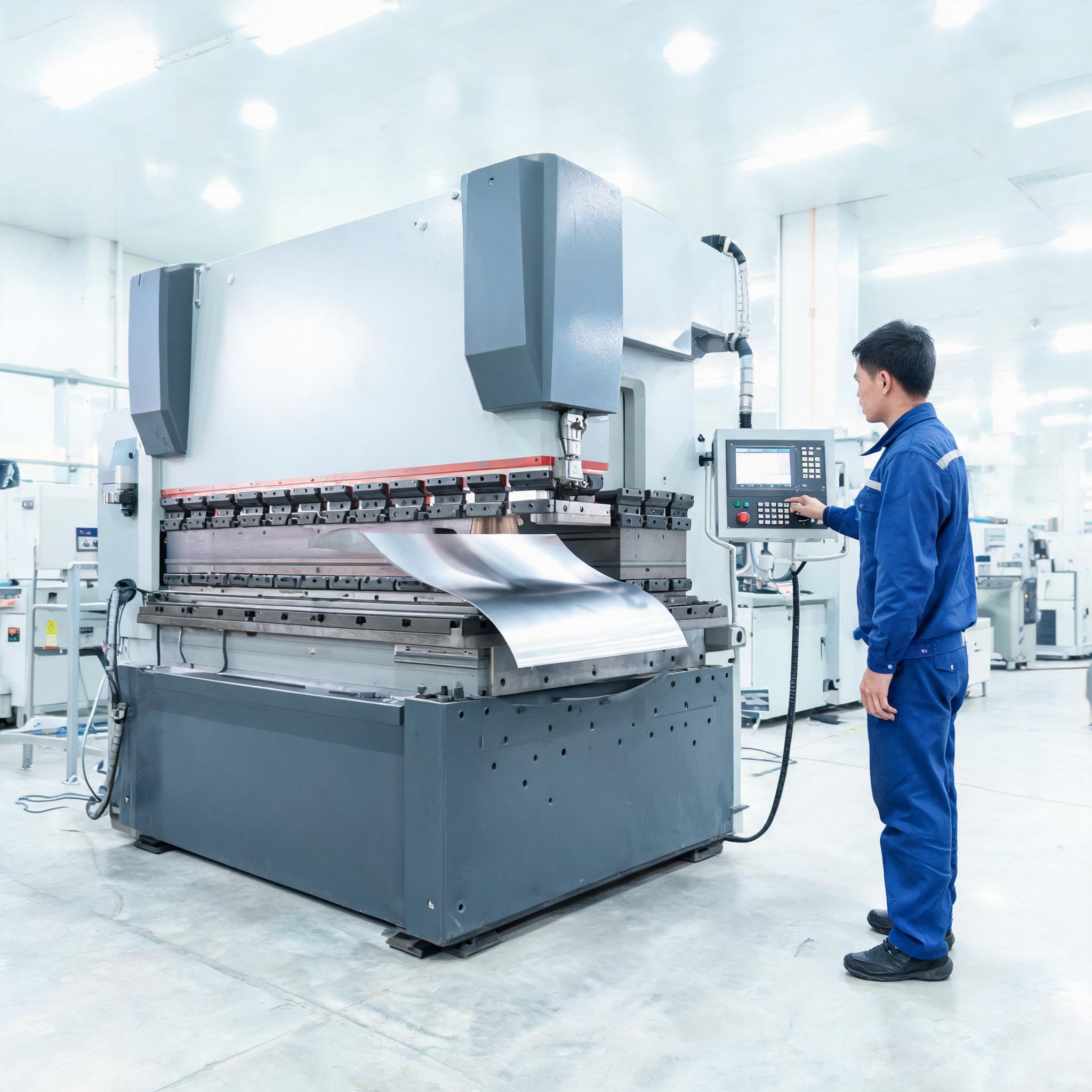
Automated sheet metal bending is a growing trend, where CNC-controlled press brakes and robotic part handling reduce cycle time and improve repeatability. However, automation is not always necessary; for low-volume or highly complex parts, manual setup may be more flexible.
Constraints and Limitations
Sheet metal bending has physical constraints. Minimum bend radius is typically equal to or greater than material thickness; bending too sharply causes cracking. Maximum bend length is limited by the press brake bed length. Tonnage limits determine the maximum thickness and length combination. For aluminum, softer alloys bend more easily, but harder tempers may crack. For stainless steel, higher springback and work hardening require more force and careful tooling.
Complex sheet metal bending, such as hemming, flanging, or multi-bend parts, may require special tooling or multiple setups, increasing cost and lead time. Tolerances are also a constraint; typical bending tolerances are around a fraction of a millimeter, but tighter tolerances are possible with careful process control, at higher cost.
Another limitation is the bend orientation relative to grain direction. Bending parallel to the grain can cause cracking, so parts should be designed to bend perpendicular to the rolling direction when possible. Suppliers should be asked about their tooling capabilities and whether they can handle your specific material and geometry.
Failure Modes in Sheet Metal Bending
Common failure modes include springback variation, cracking, surface marks, and dimensional drift. Springback is the most common issue; it occurs because the elastic portion of the deformation recovers after unloading. If not compensated, the final angle will be larger than intended. Cracking happens when the bend radius is too small or the material is too hard. Surface marks can be caused by tool wear or contamination. Dimensional drift occurs when the machine is not calibrated or when material properties vary between batches.
To mitigate these, suppliers should perform first-article inspection, use consistent material sourcing, and calibrate machines regularly. Buyers should ask about their process control methods and how they handle deviations.
Actionable Evaluation Checklist for Buyers
When evaluating sheet metal bending services, use this checklist to compare suppliers objectively:
- Material expertise: Ask which alloys they commonly bend, especially for aluminum and stainless steel. Request their recommended grades for your application.
- Machine capacity: Confirm the press brake tonnage, bed length, and maximum thickness they can handle.
- Tolerance capability: Ask for their standard tolerances and whether they can hold tighter tolerances if needed.
- Tooling library: Inquire about available die radii and special tools for complex bends.
- Quality certifications: If a supplier claims IATF 16949 or other certifications, request a copy and verify with the issuing body.
- Sampling policy: Ask if they provide samples or first-article inspection reports before full production.
- Lead time and communication: Discuss typical lead times and how they handle design changes or issues.
- Secondary services: Check if they offer welding, finishing, or assembly, which can simplify your supply chain.
Remember, a detailed catalog entry is not proof of capability. Always verify claims with actual test parts, audits, and references.
Frequently Asked Questions
What is the best aluminum for sheet metal bending?
Alloys like 5052 and 6061 are common, but the best choice depends on the required strength and formability. 5052 is more formable, while 6061 is stronger but may crack with tight radii.
What is the best stainless steel for sheet metal bending?
304 is the most common for general use; 316 offers better corrosion resistance. Both require more force and have higher springback than aluminum.
Can automated sheet metal bending reduce costs?
Automation can reduce labor cost and improve consistency for high-volume parts, but the initial investment may not be justified for low-volume or highly complex jobs.
How do I verify a supplier's IATF 16949 certification?
Ask for the certificate and verify it with the certification body. You can also audit the facility to see if the processes match the certification scope.
Conclusion
Sheet metal bending is a precise process that requires a combination of machine capability, tooling, and process control. By understanding the architecture, constraints, and failure modes, you can make informed decisions when selecting a sheet metal bending services provider. Use the evaluation checklist to compare suppliers on objective criteria, and always verify claims with actual samples and audits.