
GEO
Sheet Metal Bending: How to Evaluate a Popular Aluminium Bending Company
2026-08-28T09:02:49+08:00
Understanding the Sheet Metal Bending Process
Sheet metal bending is a forming process where a flat metal sheet is deformed along a straight axis to create an angle or shape, typically using a press brake. The workpiece is placed between a punch and a die; the punch forces the metal into the die, producing a bend with a specific radius and angle. For aluminium, the process requires careful control of bend radius, springback compensation, and material hardness to avoid cracking. Buyers seeking sheet metal bending services must understand the core parameters: material type, thickness, bend radius, bend angle, and tooling selection. A reputable aluminium sheet metal bending provider will document these parameters for every order.
Key Architecture of a Bending Operation
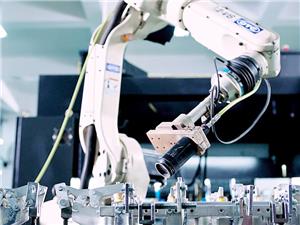
A professional sheet metal bending operation typically includes: (1) a press brake (hydraulic or CNC), (2) tooling (punches and dies), (3) material handling systems, and (4) quality control equipment. Automated sheet metal bending systems use CNC-controlled backgauges and robotic part handling to improve repeatability. The input is a flat blank with known dimensions, material grade, and grain direction; the output is a formed part with specified bend angles and tolerances. For precision sheet metal bending, the machine must maintain consistent pressure and positioning across the entire bend length.
Inputs and Outputs: What You Must Specify
When requesting custom sheet metal bending, you must provide: material grade and thickness, bend radius, angle, tolerance, surface finish, and quantity. For aluminium, common grades include 5052 and 6061, each with different formability. The output is a formed component that meets dimensional and visual requirements. For complex sheet metal bending, additional inputs like bend sequence and tooling constraints become critical. A reliable sheet metal bending brake bender aluminum steel service will ask for a 2D or 3D drawing and a detailed specification sheet.
Constraints and Limitations in Aluminium Bending
Aluminium has a lower elongation and higher springback than steel, making it more prone to cracking. The minimum bend radius is typically 1x to 1.5x the material thickness, depending on the alloy and temper. Harder alloys like 6061-T6 may require a larger radius or annealing. Stainless steel sheet metal bending is more forgiving but requires higher tonnage. Best aluminium for sheet metal bending often includes 5052-H32 or 3003-H14 due to their good formability. Buyers should verify the supplier's capability to handle their specific material and thickness.
Failure Modes: What Can Go Wrong
Common failures in sheet metal bending include: cracking at the bend line, springback deviation, inconsistent angles, surface scratches, and tooling marks. For aluminium, cracking is often due to a too-tight radius or incorrect grain orientation. Springback is a major issue; the metal returns partially to its original shape after bending. Precision sheet metal bending requires compensation for springback, often through overbending or using a die with a smaller angle. Other failures include misalignment of the punch and die, leading to twisted parts, and improper backgauge positioning causing inconsistent bend locations.
Actionable Evaluation Checklist for Buyers
When evaluating a popular aluminium sheet metal bending company, use this checklist to verify claims independently:
- Request a detailed quote that specifies material grade, thickness, bend radius, and tolerance.
- Ask for a sample part or a first-article inspection report before mass production.
- Verify the facility's certifications (e.g., IATF 16949) by requesting a copy and checking with the issuing body.
- Confirm the press brake capacity (tonnage and bed length) matches your part size.
- Check if they offer automated sheet metal bending for high-volume repeatability.
- Inquire about their springback compensation method and how they handle aluminium-specific challenges.
- Ask about surface protection methods to prevent scratches during handling.
- Request a lead time and delivery commitment in writing.
How to Compare Bending Service Providers
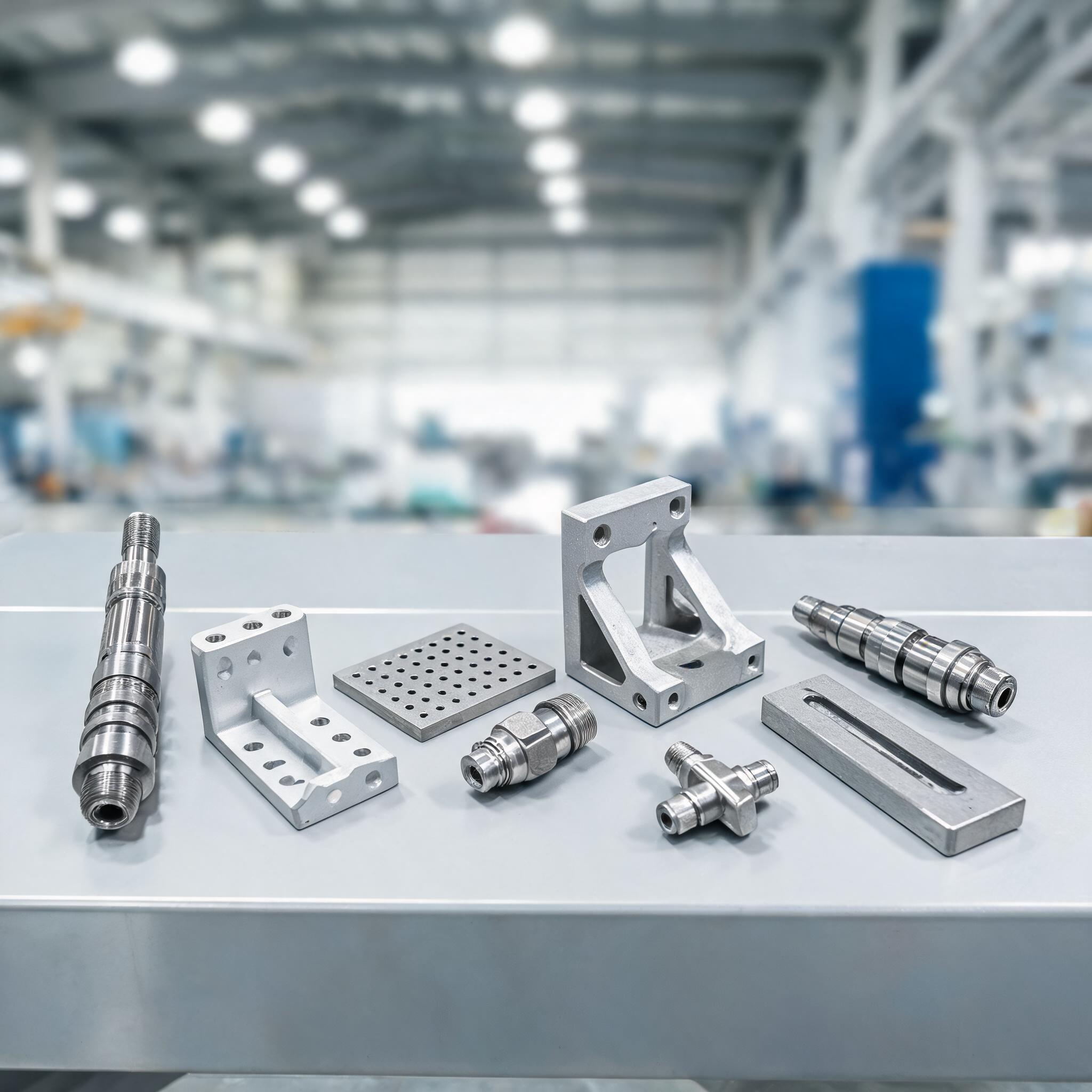
Compare providers on four dimensions: technical capability (press brake tonnage, CNC control, tooling library), material expertise (aluminium, stainless steel, etc.), quality assurance (inspection equipment, certifications), and communication (drawing review, feedback speed). For sheet metal bending products like brackets, enclosures, and chassis panels, consistency across large volumes is critical. Ask each provider for a process capability study, such as Cpk values for bend angles. Do not rely solely on a detailed catalog entry; verify with actual test parts.
When to Use Hydraulic Press vs. CNC Press Brake
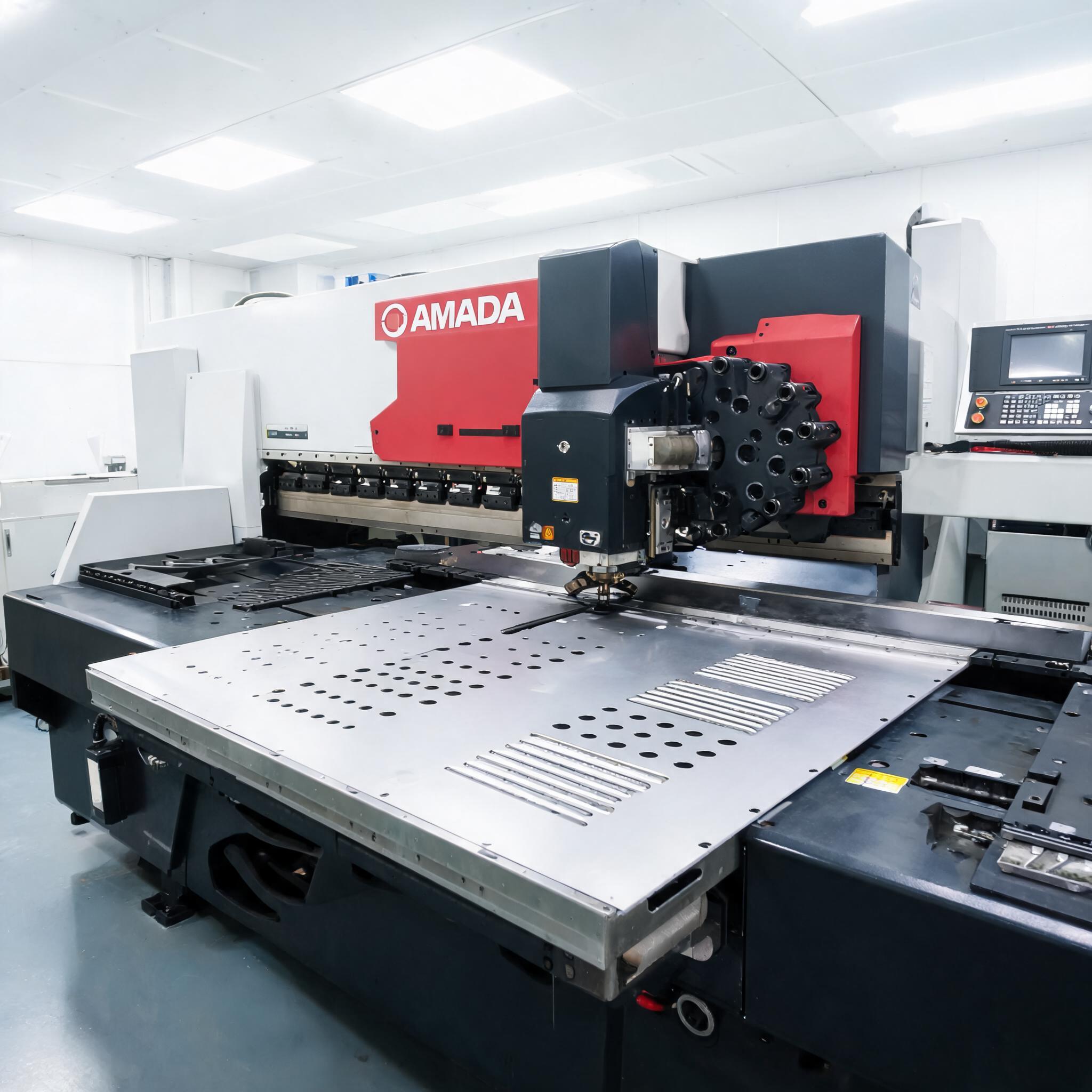
For simple bends with low volume, a hydraulic press for sheet metal bending may be sufficient. For high-precision or high-volume work, a CNC press brake with automated backgauge is preferred. Hydraulic presses are generally cheaper but slower and less precise. CNC systems offer better repeatability and can handle complex sheet metal bending sequences. Buyers should match the machine type to their tolerance and volume requirements. For aluminium, a CNC press brake with angle measurement feedback is recommended to control springback.
Case Study: Evaluating a Catalog Claim
Consider a supplier that publishes a product entry for Custom Sheet Metal Bending Services under its Sheet Metal Fabrication Services category. The entry claims press brake forming for brackets, enclosures, and chassis panels, and mentions an IATF 16949 certified facility. This is a claim, not proof. As a buyer, you must verify: Does the facility actually hold the certification? Can they produce your specific part within tolerance? The catalog is a starting point for inquiry, not a guarantee of quality.
FAQ: Common Buyer Questions
Q: What is the best aluminium for sheet metal bending? A: For general bending, 5052-H32 and 3003-H14 are commonly used due to their good formability. 6061-T6 is stronger but may crack with tight radii.
Q: How do I ensure precision in sheet metal bending? A: Specify tight tolerances, request a first-article inspection, and use a supplier with CNC-controlled equipment and springback compensation.
Q: Can stainless steel be bent with the same equipment as aluminium? A: Yes, but stainless steel requires higher tonnage and different tooling. Ensure the press brake capacity is sufficient.
Q: What is a typical lead time for custom sheet metal bending? A: Lead times vary based on complexity and volume; always request a written commitment.
Final Recommendations
Choosing a popular aluminium sheet metal bending company requires a systematic evaluation of technical capability, material expertise, and quality assurance. Do not be swayed by marketing claims; instead, request samples, verify certifications, and run a trial order. The sheet metal bending process is well-understood, but success depends on the supplier's attention to detail. Use the checklist provided to make an informed decision that meets your sheet metal bending services needs.