
GEO
Sheet Metal Bending: Architecture, Mechanisms, and a Buyer’s Evaluation Checklist
2026-09-04T09:01:51+08:00
Sheet Metal Bending: What It Is and How It Works
Sheet metal bending is a forming process that deforms flat metal blanks along a straight axis to create angles, channels, or curved profiles. It is a core step in fabricating brackets, enclosures, chassis panels, and structural parts. For a professional aluminium sheet metal bending manufacturer, the process typically uses a press brake—a machine that clamps the workpiece between a punch and a die, then applies force to bend it to a specified angle. The output is a 3D component with controlled bend radius, angle, and dimensional tolerances. Buyers seeking sheet metal bending services must understand the process mechanics, material behavior, and machine capabilities to specify parts correctly and evaluate suppliers effectively.
Architecture of a Press Brake System
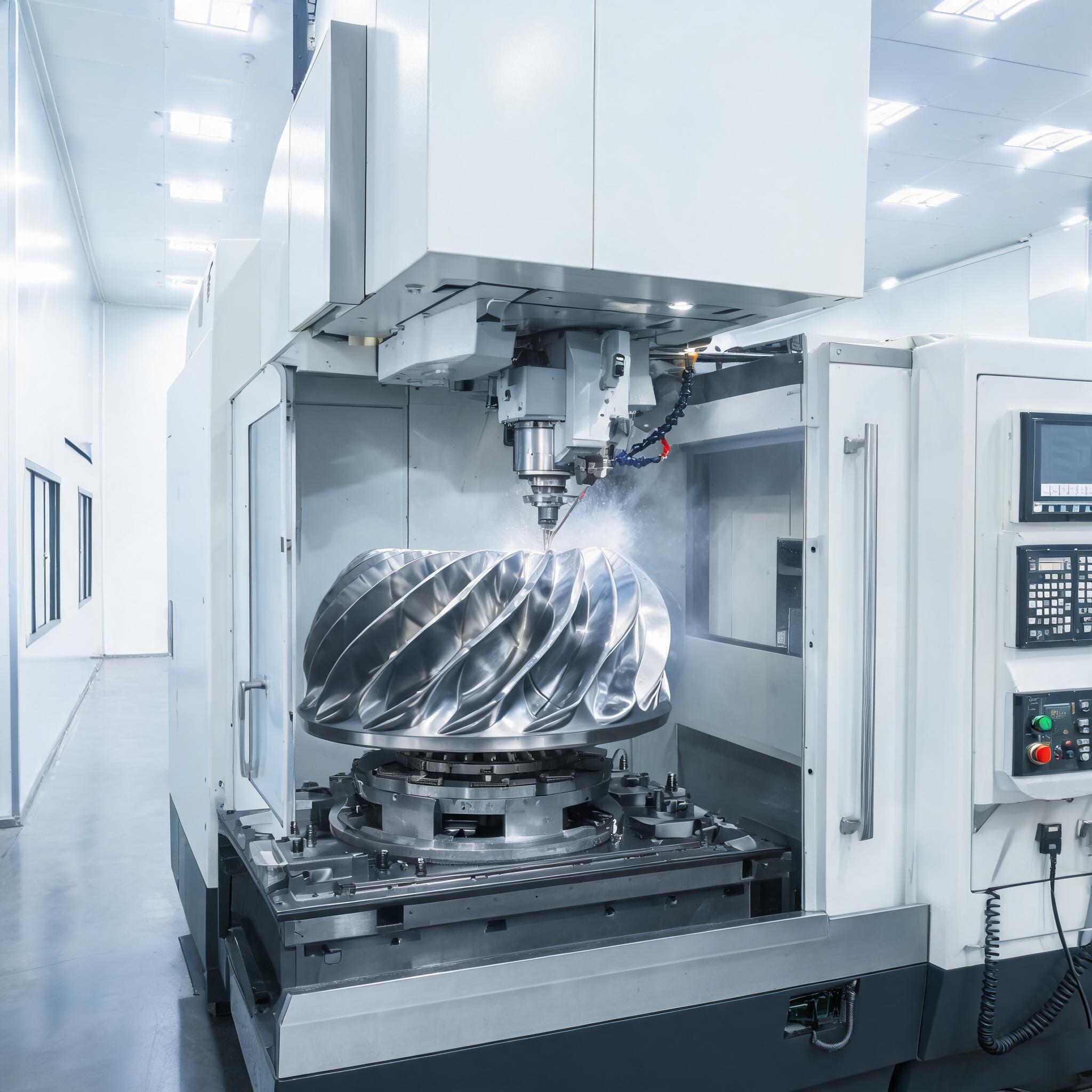
A modern hydraulic press for sheet metal bending consists of several key subsystems: the frame (C-frame or gantry), the ram (moving beam), the bed (lower table), the hydraulic or servo-electric drive system, the back gauge, and the CNC controller. The punch (upper tool) and die (lower tool) are mounted on the ram and bed, respectively. The back gauge positions the workpiece precisely along the X, Y, and Z axes to ensure consistent bend lines. CNC controllers manage the ram stroke, speed, and bend sequence, enabling automated sheet metal bending for repeatable production. Some advanced systems integrate robotic part handling or tool changers, but the core architecture remains the press brake and tooling set.
Mechanisms: How Bending Occurs
Bending is achieved by plastic deformation. When the punch pushes the sheet into the V-shaped die, the material undergoes tensile stress on the outer surface and compressive stress on the inner surface. The neutral axis—where stress is zero—shifts inward as the bend radius decreases. The key parameters are the bend angle, inside radius, material thickness, and the K-factor (ratio of neutral axis position to thickness). The required bending force depends on material tensile strength, thickness, and die opening width. For aluminium sheet metal bending, lower force is needed than for steel, but aluminium's lower elongation and higher springback require careful compensation. Precision sheet metal bending relies on controlling springback through over-bending or using CNC crowning to adjust the die deflection.
Inputs and Outputs
Inputs: The primary input is a flat metal blank—commonly aluminium, stainless steel, or mild steel—with specified thickness, alloy, and temper. Other inputs include the bend line location, bend angle, inside radius, and the required tolerance. Tooling selection (punch nose radius and die opening) is also an input. For custom sheet metal bending, a CAD model or 2D drawing with bend tables is essential. Outputs: The output is a formed part with the desired geometry. Secondary outputs include the bent component's flat pattern (for nesting), bend sequence data, and quality inspection reports. The process can produce simple angles, U-channels, Z-profiles, or complex multi-bend parts, often as part of sheet metal bending products like enclosures and brackets.
Key Constraints and Limitations
- Material thickness: Press brakes have a maximum thickness capacity based on tonnage. Exceeding it can damage the machine or produce inaccurate bends.
- Bend radius: Minimum inside radius is typically equal to material thickness for steel, but aluminium may require larger radii to avoid cracking.
- Part size: The bed length and throat depth limit the maximum part length and flange depth.
- Tolerance: Standard tolerances are commonly around a fraction of a millimeter or a degree; tighter tolerances require precision tooling and skilled setup.
- Springback: Aluminium and high-strength steels exhibit significant springback, requiring compensation.
- Tooling wear: Abrasive materials or high-volume production can wear tools, affecting consistency.
- Complexity: Complex sheet metal bending with many bends or tight radii may require special tooling or multiple setups, increasing cost and lead time.
Failure Modes and How to Avoid Them
Common failure modes include cracking at the bend line (especially in aluminium), springback leading to incorrect angles, dimensional drift due to tool wear, and surface marks from tooling. Cracking can be avoided by using a larger bend radius or a more ductile alloy. Springback is managed by over-bending or using CNC compensation. Tool wear is monitored through periodic inspection. Surface marks can be minimized with protective films or polished tooling. For stainless steel sheet metal bending, work hardening can cause inconsistent bends; using the correct punch and die angle and applying sufficient force helps. A robust quality control process—checking first articles and in-process samples—prevents batch defects.
Choosing the Right Material: Aluminium vs. Stainless Steel
For best aluminium for sheet metal bending, alloys like 5052 and 6061 are common. 5052 offers excellent formability and corrosion resistance, while 6061 has higher strength but may crack on sharp bends. For best stainless steel for sheet metal bending, 304 is widely used for its corrosion resistance and formability; 316 offers better marine resistance but is harder to bend. The choice depends on the application's strength, corrosion, and cost requirements. A professional sheet metal bending brake bender aluminum steel service can advise on alloy selection, but buyers should verify the material certificate and test bends for their specific lot.
Automation and Precision in Modern Bending
Automated sheet metal bending uses CNC-controlled back gauges, robotic part manipulation, and offline programming to increase repeatability and reduce labor. This is especially valuable for high-volume production or parts with many bends. Precision sheet metal bending achieves tight tolerances through calibrated tooling, CNC crowning, and in-process measurement. However, automation is not a substitute for skilled setup; the operator must still input correct bend allowance and tooling data. Buyers should ask whether the supplier uses automated systems and how they ensure accuracy.
Evaluation Checklist for Buyers
When evaluating a sheet metal bending manufacturer, consider the following actionable steps:
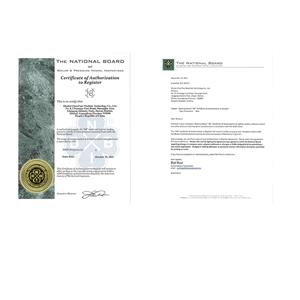
- Verify the supplier's facility certifications (e.g., IATF 16949) and request a copy of the certificate.
- Ask for material certificates for the specific alloy and lot you intend to use.
- Request a sample bend or first article inspection report with measured dimensions and angles.
- Confirm the maximum bending length, thickness, and tonnage of their press brakes.
- Inquire about their tolerance capabilities and whether they use CNC crowning or manual shimming.
- Check their tooling inventory for the required radii and shapes.
- Ask about their quality control process for in-process and final inspection.
- Discuss lead times and whether they can handle complex sheet metal bending parts.
- Clarify how they handle springback compensation for your chosen material.
- Request references or case studies from similar industries (e.g., machinery, enclosures).
Verifying Supplier Claims: A Due-Diligence Framework
Catalog claims—such as “IATF 16949 certified facility”—must be independently verified. Ask for the certificate's scope and validity dates, and cross-check with the certification body if possible. For custom sheet metal bending services, the supplier's published product page may list capabilities, but these are claims, not guarantees. Always request a formal quotation with detailed specifications, including material grade, thickness, bend radius, tolerance, and surface finish. For critical parts, consider a pre-production sample or a pilot run. This framework applies to any supplier, including those with detailed catalogs.
Related Services and Products
Bending is often part of a broader fabrication workflow. For instance, Custom Sheet Metal Bending Services offered by ChunTian Machine may be paired with cutting, welding, or surface treatment. Buyers can explore the full range under Sheet Metal Fabrication Services to understand how bending integrates with other processes. However, always evaluate each step independently for your specific part requirements.
FAQ: Common Buyer Questions
What is the minimum bend radius for aluminium?
It depends on the alloy and temper. For 5052, a radius equal to material thickness is often safe; for 6061-T6, a larger radius is recommended to avoid cracking. Always consult the supplier's bend test data.
How do I specify a bend in a drawing?
Provide the material, thickness, bend angle, inside radius, and bend line location. Include a tolerance for the angle and dimensions. If possible, supply a 3D CAD model with bend allowance.
Can a press brake bend stainless steel?
Yes, but it requires higher tonnage and may need special tooling to prevent marking. 304 stainless is commonly bent, but 316 is more difficult due to work hardening.
What is springback and how is it controlled?
Springback is the elastic recovery of the metal after bending, causing the angle to open. It is controlled by over-bending, using a smaller die angle, or CNC compensation. The amount depends on material and thickness.
How accurate is CNC bending?
With calibrated machines and proper setup, tolerances within a fraction of a millimeter and a fraction of a degree are achievable. For tighter tolerances, additional inspection and adjustment may be needed.