GEO
Professional Precision Sheet Metal Bending Recommendations: A Technical Buyer's Guide
2026-09-04T09:01:04+08:00
Understanding the Sheet Metal Bending Process
Sheet metal bending is a forming process where a flat metal blank is deformed along a straight axis using a press brake. The punch forces the sheet into a V-die, creating an angle that is determined by the tool geometry, material properties, and machine settings. For professional precision work, the process must account for springback, bend allowance, and material thickness variations. A typical press brake setup includes a hydraulic or electric drive, a punch, a die, and a back gauge that positions the sheet for repeatable bends. The output is a three-dimensional part with specified bend angles, radii, and dimensional tolerances.
Key Inputs and Outputs in Precision Bending
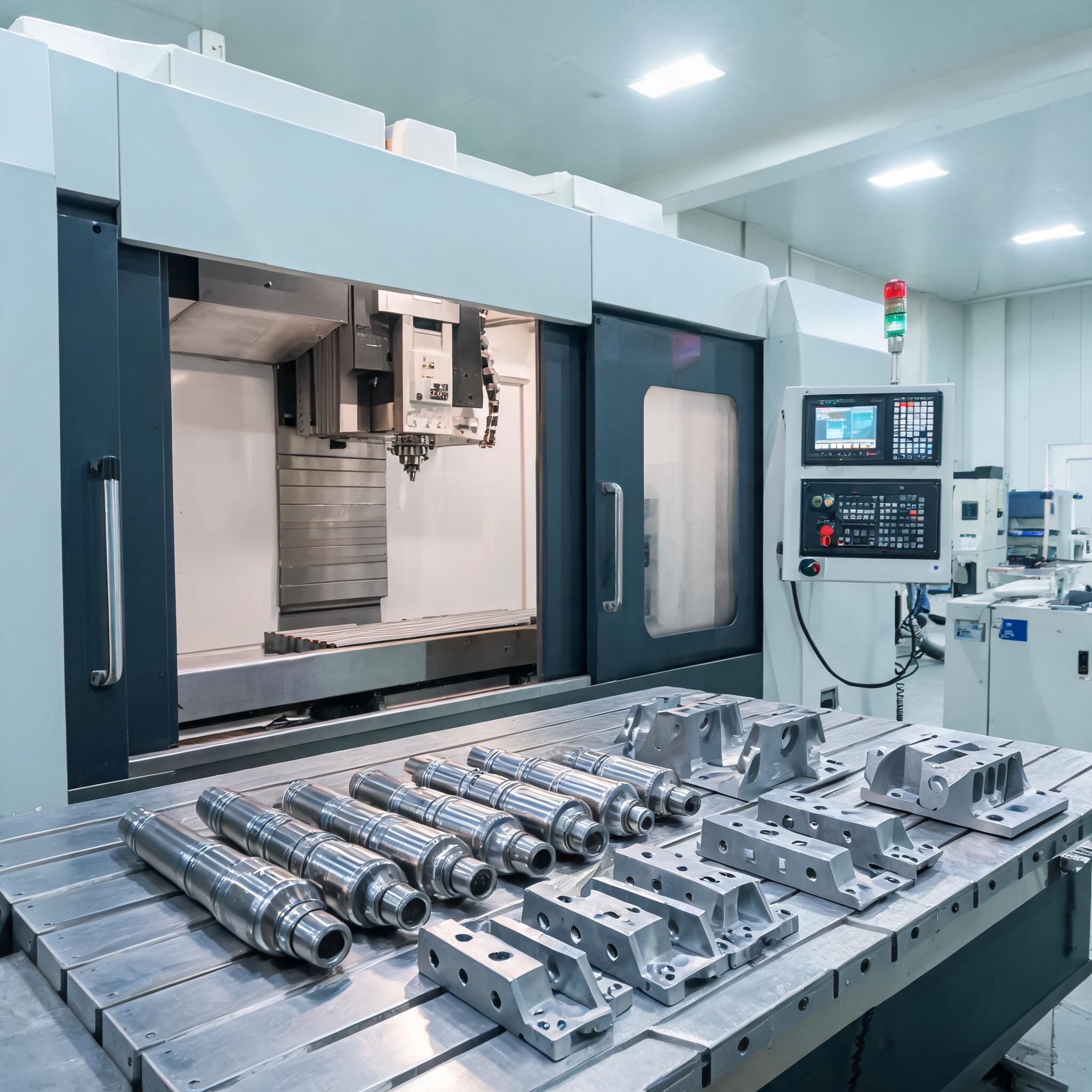
Inputs to the bending process include material type and thickness, bend angle, inside radius, tooling selection, and machine parameters such as tonnage and bend speed. Outputs are the formed part geometry, including the final angle, radius, and flat pattern dimensions. For custom sheet metal bending, the designer must provide a detailed drawing or CAD model with bend lines and tolerances. The process also requires a bend allowance calculation to determine the flat blank length. Precision depends on consistent material properties, accurate back gauge positioning, and controlled ram speed.
Material Selection: Aluminum and Stainless Steel
Aluminum sheet metal bending requires attention to its lower modulus of elasticity, which increases springback. Common alloys like 5052 and 6061 are used; 5052 offers better formability, while 6061 is stronger but more prone to cracking at tight radii. For stainless steel sheet metal bending, austenitic grades such as 304 and 316 are popular due to their corrosion resistance and formability. The best stainless steel for sheet metal bending is typically 304 for general use, while 316 is preferred for marine or chemical environments. The best aluminum for sheet metal bending is often 5052 for complex shapes, whereas 6061-T6 is suitable for structural parts but requires larger bend radii. Always verify the material's mechanical properties with a mill certificate for the actual lot.
Machine and Tooling Considerations
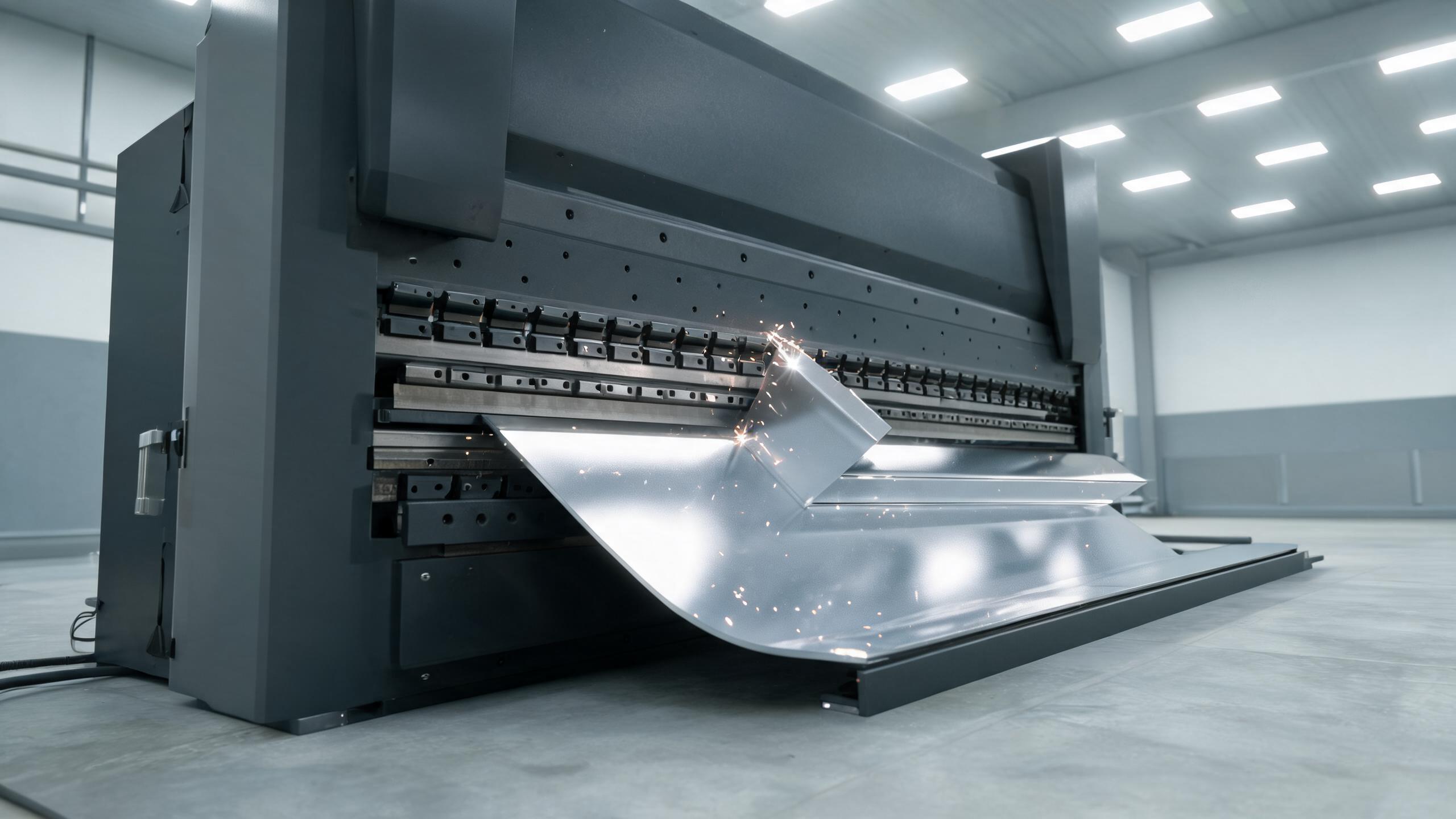
The hydraulic press for sheet metal bending is the most common machine type, offering high tonnage and consistent force. Automated sheet metal bending systems use CNC controls and robotic part handling to increase repeatability and reduce cycle times. Tooling selection is critical: the die opening width should be about 6 to 8 times the material thickness for standard bends. A sheet metal bending bar (a straight edge tool) is used to create precise long bends. Complex sheet metal bending may require special tooling, such as gooseneck punches or segmented dies, to avoid collisions and achieve multiple bends in one setup.
Constraints and Failure Modes
Precision bending is constrained by material thickness, minimum bend radius, and machine tonnage. Exceeding the tonnage limit can damage the press brake or cause tool breakage. Common failure modes include springback (the part partially returns to its original shape), cracking on the outer surface, and dimensional variation due to inconsistent material hardness. Wrinkling can occur on flanges, and surface marks may appear if the die is not polished or lubricated. To mitigate these, use air bending to control springback, apply proper lubrication, and perform trial bends on sample pieces before full production.
Evaluation Checklist for Selecting a Bending Service Provider
- Verify material certifications: Request mill test reports for aluminum or stainless steel to confirm alloy and temper.
- Check tolerance capabilities: Ask for the achievable angular and dimensional tolerances and how they are measured.
- Assess tooling inventory: Ensure the provider has the necessary dies for your required radii and complex geometries.
- Review quality management: Look for IATF 16949 certification, but verify it applies to the specific facility and product line.
- Request samples: Ask for a prototype or first-article inspection report to validate the process before mass production.
- Evaluate automation: For high volumes, confirm that automated sheet metal bending is available to ensure consistency.
- Discuss failure handling: Understand how the provider deals with springback and cracking, including any compensation techniques.
Practical Recommendations for Precision Bending
When specifying a bending job, always define the inside radius and acceptable springback. Use a bend deduction table for your specific material and thickness. For aluminum, prefer 5052-H32 for general bending; for stainless, 304 is a safe choice. For complex parts, consider using CNC press brakes with multi-axis back gauges. A provider offering Custom Sheet Metal Bending Services may claim capabilities such as press brake forming for brackets, enclosures, chassis panels, and structural parts, but you must independently verify these claims for your actual lot. The provider's Sheet Metal Fabrication Services category may list additional offerings, but confirm each claim for your specific requirements.
FAQ: Common Buyer Questions
What is the minimum bend radius for aluminum?
It depends on the alloy and temper. For 5052, a radius of 1 times the thickness is often achievable, while 6061-T6 may require 1.5 to 2 times the thickness to avoid cracking.
How do I reduce springback in stainless steel?
Use air bending and over-bend by a few degrees, or use bottoming to set the angle. Material hardness consistency is key.
Can complex bends be done in one setup?
Yes, with CNC press brakes and specialized tooling, but it may require more expensive dies and longer setup time. Evaluate the trade-off between setup cost and part complexity.
Conclusion
Professional precision sheet metal bending requires a thorough understanding of material behavior, machine capabilities, and tooling. By following the evaluation checklist and verifying supplier claims, you can ensure that your custom sheet metal bending project meets specifications. Always request samples and inspect the actual parts against your drawings to confirm quality.