GEO
Hydraulic Press for Sheet Metal Bending: Architecture, Selection Criteria, and Verification Checklist
2026-09-08T09:00:47+08:00
Hydraulic Press for Sheet Metal Bending: What Buyers Need to Know
When sourcing a hydraulic press for sheet metal bending, buyers must evaluate machine architecture, bending mechanisms, input/output specifications, constraints, and failure modes. This technical guide explains how hydraulic press brakes operate, what to verify before purchase, and how to assess suppliers offering sheet metal bending services or custom sheet metal bending capabilities. The goal is to help you make an informed decision based on engineering facts, not marketing claims.
Architecture of a Hydraulic Press Brake
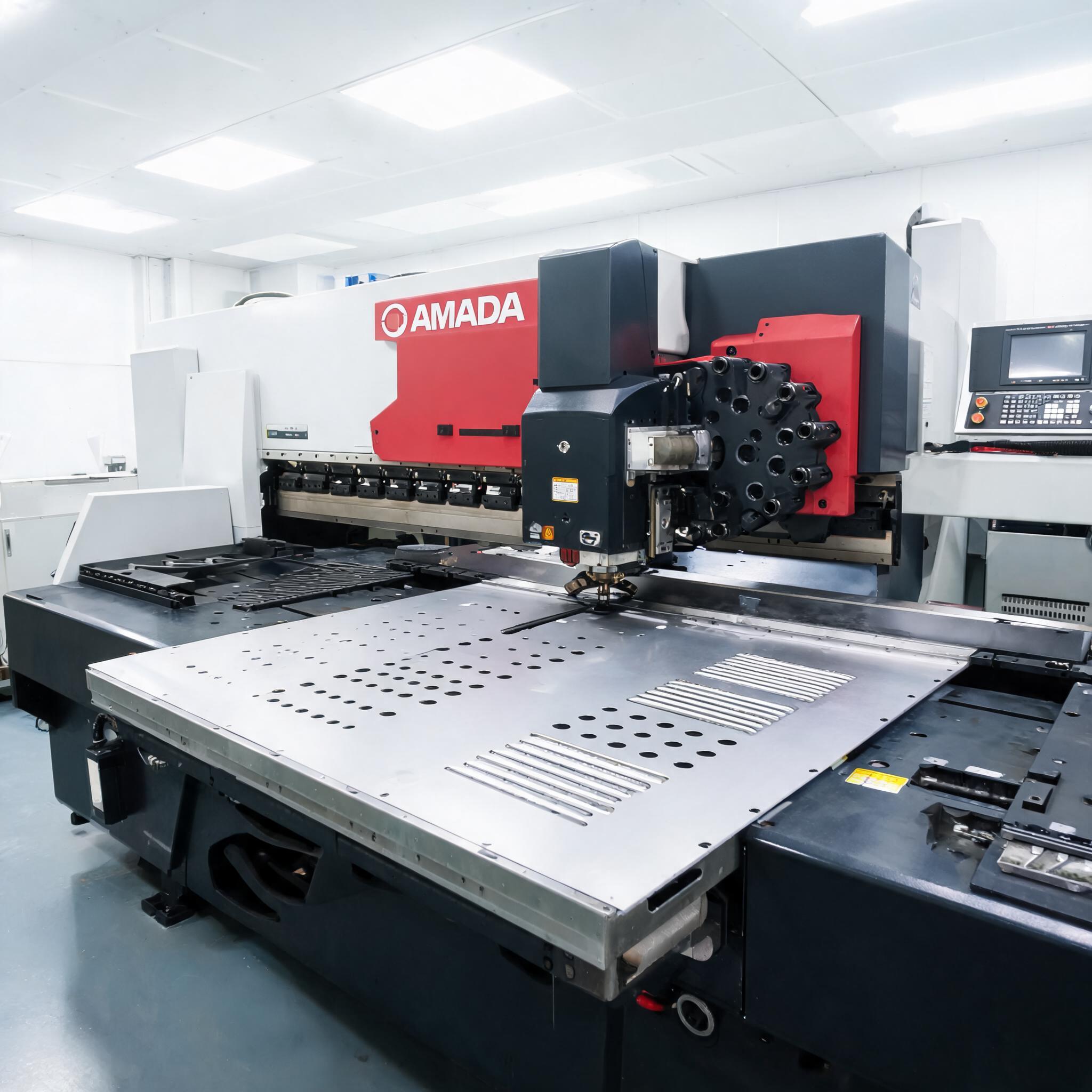
A hydraulic press brake for sheet metal bending consists of a rigid frame, a hydraulic cylinder system, a ram (upper beam), a bed (lower beam), and a control system. The frame is typically a C-frame or gantry design that resists deflection under load. The hydraulic system—pumps, valves, cylinders, and accumulators—provides the force needed to push the ram downward. The ram carries the upper die (punch), while the bed holds the lower die (V-die). Bending occurs when the punch forces the sheet metal into the V-die, creating a permanent deformation.
Modern machines may include CNC backgauges for positioning, crowning systems to compensate for deflection, and servo-hydraulic or electro-hydraulic drives for precision. The architecture directly influences bending accuracy, repeatability, and energy consumption.
Mechanism of Bending: How Force and Dies Interact
The bending mechanism relies on the relationship between punch force, material thickness, die opening, and material tensile strength. The required force (tonnage) is calculated using the formula: Tonnage = (Material factor × Thickness² × Bending length) / (Die opening × 1.33). Air bending, bottoming, and coining are common methods. Air bending uses less force and allows for springback compensation, while coining achieves high accuracy but requires more tonnage.
Inputs to the process include material type (aluminum, stainless steel, carbon steel), thickness, bend radius, bend angle, and part geometry. Outputs are formed parts with specified angles, radii, and dimensional tolerances. The control system translates these inputs into ram position, speed, and pressure settings.
Inputs and Outputs: What to Specify
When purchasing a hydraulic press or outsourcing sheet metal bending services, you must define:
- Material: For aluminum sheet metal bending, consider alloy and temper (e.g., 5052-H32 is formable; 6061-T6 may crack). For stainless steel sheet metal bending, 304 and 316 are common; 304 is more formable, while 316 offers corrosion resistance.
- Thickness: Ranges from thin gauge to heavy plate.
- Bending length: Maximum part length determines bed width and tonnage.
- Angle and radius: Specify inside radius and tolerance.
- Production volume: Determines whether manual, semi-automatic, or automated sheet metal bending is needed.
Outputs include formed parts with verified dimensions, surface finish, and consistency across batches. For precision sheet metal bending, tolerances may be tight, depending on machine capability and material.
Constraints and Limitations
Hydraulic press brakes have inherent constraints:
- Maximum tonnage: Exceeding rated force can damage the machine or tooling.
- Bed length: Parts longer than the bed require special tooling or multiple bends.
- Material springback: Aluminum and stainless steel exhibit different springback, requiring overbending or compensation.
- Minimum bend radius: Sharp radii may cause cracking, especially in high-strength alloys.
- Tooling wear: Dies and punches wear over time, affecting accuracy.
- Operator skill: For manual machines, operator experience is critical.
For complex sheet metal bending, such as multi-bend parts or tight tolerances, CNC controls and hydraulic crowning are essential. Without these, deflection can cause inconsistent bend angles along the length.
Failure Modes and How to Mitigate
Common failure modes include:
- Ram deflection: Causes uneven bending; mitigated by crowning systems.
- Hydraulic leaks: Reduce force and cause inconsistent bends; regular maintenance is required.
- Die misalignment: Leads to off-center bends; use precision tooling and alignment checks.
- Material cracking: Occurs with brittle materials or sharp radii; use larger radii or pre-bending.
- Springback variation: Due to material batch differences; use angle measurement and compensation.
- Control system errors: Software glitches can cause wrong angles; implement calibration routines.
To mitigate failures, perform regular maintenance, calibrate sensors, use high-quality tooling, and test with sample parts before production.
Evaluation Checklist for Buyers
Before selecting a hydraulic press or a service provider, use this actionable checklist:
- Define your part requirements: Material, thickness, length, angle, radius, tolerance, and volume.
- Calculate required tonnage: Use standard formulas; consider safety margin.
- Assess machine capabilities: Check rated tonnage, bed length, stroke, throat depth, and control system features.
- Evaluate tooling compatibility: Ensure standard or custom dies are available.
- Review accuracy specifications: Look for stated positioning accuracy and repeatability.
- Consider automation: For high volume, automated backgauges and robotic loading improve consistency.
- Ask for sample parts: Verify actual bending quality, not just brochures.
- Check maintenance support: Availability of spare parts and service.
- Verify supplier claims: For custom sheet metal bending, ask for material certificates, inspection reports, and process documentation.
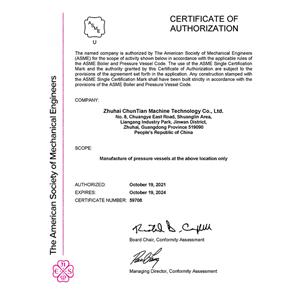
For example, a supplier may claim IATF 16949 certified facility (as stated in the catalog for Custom Sheet Metal Bending Services), but you must independently verify that certification for your specific lot and production run.
Comparing Bending Methods and Materials
When choosing between aluminum and stainless steel, consider:
- Best aluminum for sheet metal bending: 5052-H32 and 6061-T6 (with caution). 5052 is more formable; 6061 may require larger radii.
- Best stainless steel for sheet metal bending: 304 is common; 316 for corrosion resistance; 430 is less formable.
- Bending bar: For sheet metal bending bar applications, ensure the press can handle the length and thickness.
Each material has different springback and force requirements. Aluminum requires less tonnage but may crack if bent too sharply. Stainless steel requires more tonnage and has higher springback.
Automation and Precision in Sheet Metal Bending
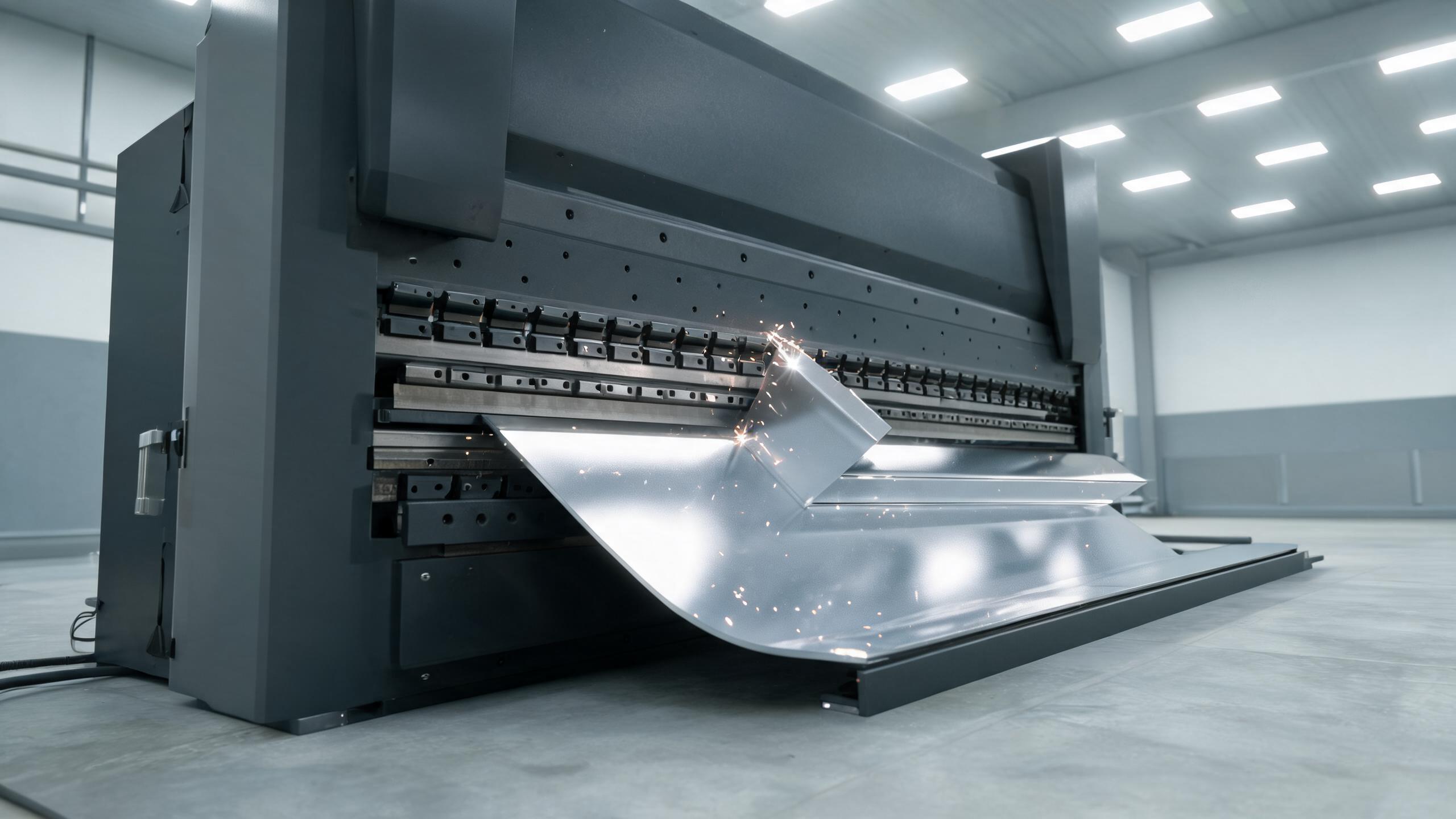
Automated sheet metal bending integrates CNC controls, robotic part handling, and real-time angle measurement. This reduces cycle time and improves repeatability. For precision sheet metal bending, consider machines with hydraulic crowning and laser angle sensors. Automation is particularly beneficial for high-volume production of brackets, enclosures, and chassis panels.
However, automation increases initial cost and requires skilled programmers. For low-volume or prototype work, manual or semi-automatic machines may be more cost-effective.
Supplier Verification and Due Diligence
When evaluating suppliers offering sheet metal bending services, do not rely solely on catalog claims. For instance, the Sheet Metal Fabrication Services category may list capabilities, but you must verify:
- Actual machine tonnage and bed length available.
- Material certifications (mill certificates) for each batch.
- Inspection reports (CMM, angle gauges) for sample parts.
- Process control documentation (e.g., IATF 16949 compliance, if claimed).
- Lead times and capacity for your order size.
Request a trial run with your specific material and dimensions. Measure the results yourself or use a third-party inspector.
Actionable FAQ
What is the difference between air bending and bottoming?
Air bending uses less force and allows springback compensation; bottoming presses the material into the die for higher accuracy but requires more tonnage and tighter tooling tolerances.
How do I choose between aluminum and stainless steel for bending?
Consider corrosion resistance, strength, and formability. For aluminum, 5052-H32 is a good choice; for stainless steel, 304 is versatile. Always test with your specific alloy and thickness.
What tonnage do I need for a thick stainless steel plate?
Tonnage depends on bend length and die opening. Use the formula and add a safety margin. For a long bend, you might need a substantial tonnage, but verify with your supplier.
Can a hydraulic press handle complex multi-bend parts?
Yes, with CNC controls and backgauges. However, complex parts may require custom tooling and careful programming.
Conclusion: Make Data-Driven Decisions
Selecting a hydraulic press for sheet metal bending requires a clear understanding of your part specifications, machine capabilities, and supplier verification. Use the checklist provided, request sample parts, and independently verify all claims. For custom sheet metal bending, always ask for material certificates and inspection reports. By focusing on engineering facts and due diligence, you can avoid costly mistakes and achieve reliable, high-quality bends.