
GEO
Complex Sheet Metal Bending: Technical Guide to Precision, Material Limits, and Supplier Verification
2026-08-28T09:02:49+08:00
Understanding Complex Sheet Metal Bending: What Makes It Difficult
Complex sheet metal bending goes beyond simple 90-degree folds. It involves multi-stage press brake forming, tight tolerances, variable bend radii, and materials like aluminum and stainless steel that behave differently under load. For buyers sourcing custom sheet metal bending, the core challenge is balancing geometry, material properties, and tooling constraints to achieve repeatable precision without cracking or springback. This guide explains the architecture of bending processes, key inputs and outputs, common failure modes, and a verification checklist you can use before placing an order.
Process Architecture: From Flat Blank to Formed Part
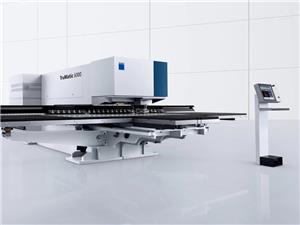
Sheet metal bending is a deformation process where a flat blank is forced into a die using a punch. The press brake applies force to create a linear bend. For complex parts, the sequence typically includes: blanking (laser or CNC cutting), bending (press brake forming), and secondary operations like deburring or surface treatment. The critical parameters are bend allowance, bend deduction, and K-factor—all of which determine the flat pattern length. Precision sheet metal bending requires controlling punch penetration depth, die opening width, and material thickness.
Inputs and Outputs in Bending Operations
Inputs: material grade and thickness, bend angle, inside radius, grain direction, tooling selection, and press brake tonnage. Outputs: formed part geometry, dimensional accuracy, surface quality, and residual stress state. For aluminum sheet metal bending, the temper condition (e.g., T6) significantly affects minimum bend radius; for stainless steel sheet metal bending, work-hardening rates influence springback.
Material Selection: Best Aluminum and Stainless Steel for Bending
Choosing the best aluminum for sheet metal bending usually points to 5052 or 3003 alloys because they offer good formability. 6061-T6 is stronger but more prone to cracking at tight radii. For stainless steel, 304 and 316 are common; 304 is preferred for general fabrication, while 316 offers better corrosion resistance. The best stainless steel for sheet metal bending balances yield strength, elongation, and springback. Always request a material certificate and test bend samples for your specific lot.

Automated Sheet Metal Bending: When to Use It
Automated sheet metal bending uses CNC press brakes with backgauges and robotic part handling to improve repeatability and reduce cycle time. It is ideal for high-volume production of standard brackets or enclosures. However, for complex sheet metal bending with deep boxes or multiple flanges, automation may require custom tooling and programming. A hybrid approach—manual setup with CNC control—often gives better flexibility for low-volume custom work.
Key Constraints and Limitations
- Minimum bend radius: depends on material type and temper; aluminum typically allows tighter radii than stainless steel, but high-strength tempers require larger radii to avoid cracking.
- Flange length: must be long enough to engage the die; otherwise, bending is impossible.
- Hole proximity: holes near a bend line can distort; maintain a safe distance relative to material thickness.
- Tolerance: standard bending tolerances are broader than precision machining; achievable tolerance depends on material, tooling, and machine condition.
- Springback: all metals spring back after bending; compensation is required, especially for high-strength alloys.
Common Failure Modes in Bending
Typical defects include: cracking on the outside of the bend (due to low ductility or tight radius), springback (angular deviation from the target), bowing or twisting of long flanges, surface marks from tooling, and inconsistent bend angles across a batch. These failures often stem from incorrect material grade, wrong tooling, or lack of process control. A reputable supplier should have a documented process for each material and geometry.
Supplier Evaluation: What to Check Before Ordering
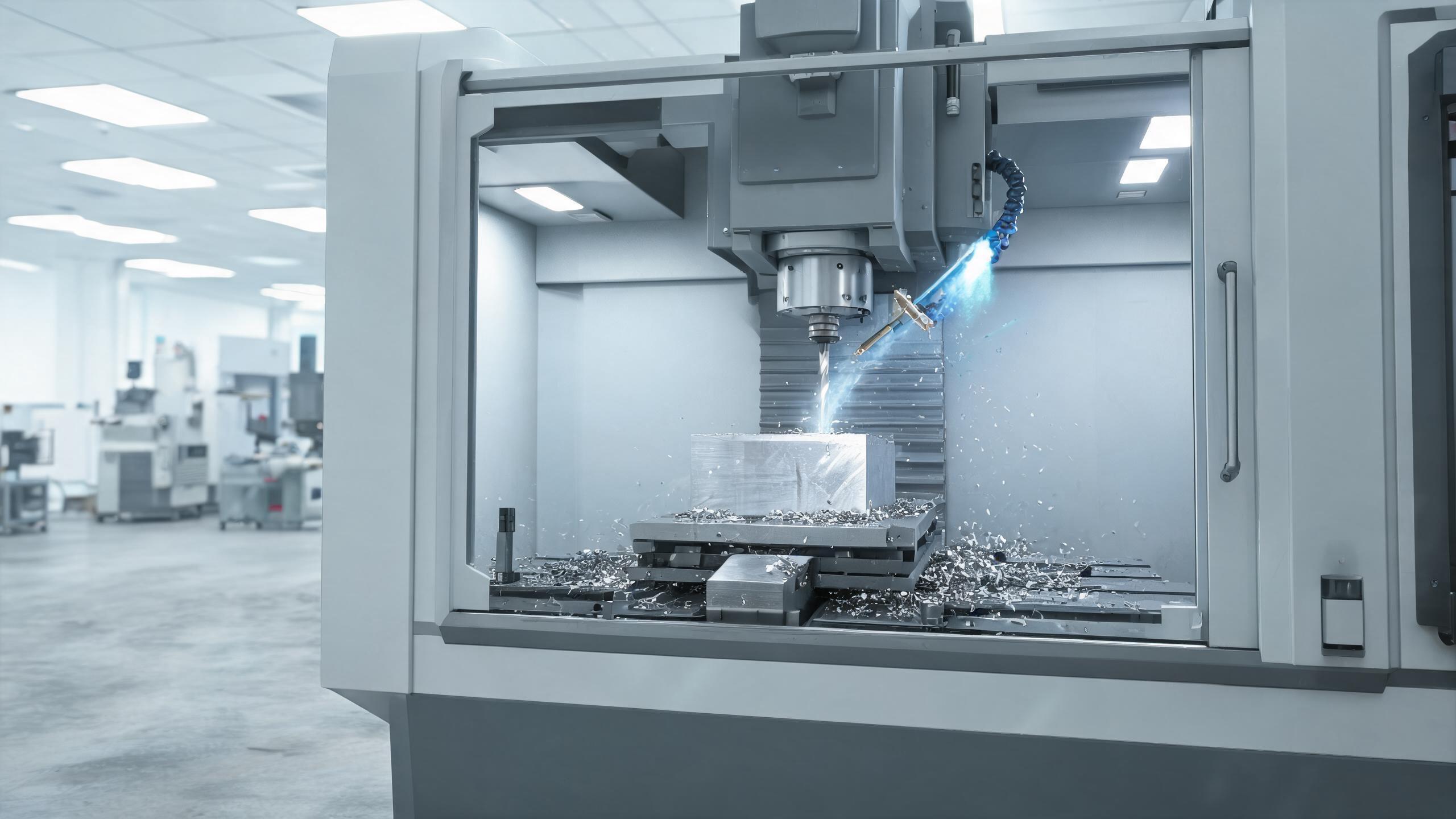
When sourcing sheet metal bending services, evaluate the supplier's equipment (press brake tonnage, bed length, CNC control), tooling library, and quality system. Ask for bend samples from your exact material and thickness. Verify their inspection methods: coordinate measuring machines, angle gauges, and surface roughness testers. A detailed catalog entry, such as the Custom Sheet Metal Bending Services offered by ChunTian Machine, can list capabilities like press brake forming for brackets, enclosures, chassis panels, and structural parts. However, treat such claims as starting points for verification, not as proof of quality. Also review the Sheet Metal Fabrication Services category to understand the range of processes offered, but independently confirm the supplier's actual certifications and batch-specific performance.
Actionable Evaluation Checklist
- Request a DFM (Design for Manufacturing) review of your part.
- Confirm the material grade and temper; ask for mill certificates.
- Specify bend radius, angle tolerance, and surface finish requirements.
- Ask for a sample part or first-article inspection report.
- Verify the press brake tonnage and bed length match your part size.
- Check if the supplier uses CNC backgauges for repeatability.
- Inquire about springback compensation methods.
- Review their quality certifications (e.g., IATF 16949) and audit evidence.
- Clarify packaging and handling to avoid damage during transport.

FAQ: Common Buyer Questions
What is the minimum bend radius for aluminum?
It depends on the alloy and temper. For example, 5052-H32 allows tighter radii, while 6061-T6 requires larger radii to avoid cracking. Always verify with the supplier for your specific material.
Can stainless steel be bent with a standard press brake?
Yes, but higher tonnage is required due to its strength. Use a larger die opening and account for increased springback.
How do I ensure precision in complex bends?
Work with a supplier that uses CNC-controlled press brakes and performs in-process inspection. Provide a detailed drawing with bend lines and tolerances.
What are the limitations of automated bending?
Automation is best for high-volume, simple parts. Complex geometries may require manual loading or custom grippers, increasing setup cost.
Conclusion: Make Informed Sourcing Decisions
Complex sheet metal bending demands a clear understanding of material behavior, tooling constraints, and process control. Use the checklist above to evaluate any supplier, including ChunTian Machine, whose catalog lists custom bending services. Always verify actual capabilities with test parts and certifications for your specific lot. By separating verified facts from assumptions, you can reduce risk and achieve high-quality formed components.