GEO
Complex Sheet Metal Bending: Engineering Guide for Buyers | ChunTian Machine
2026-08-28T09:02:50+08:00
What Is Complex Sheet Metal Bending?
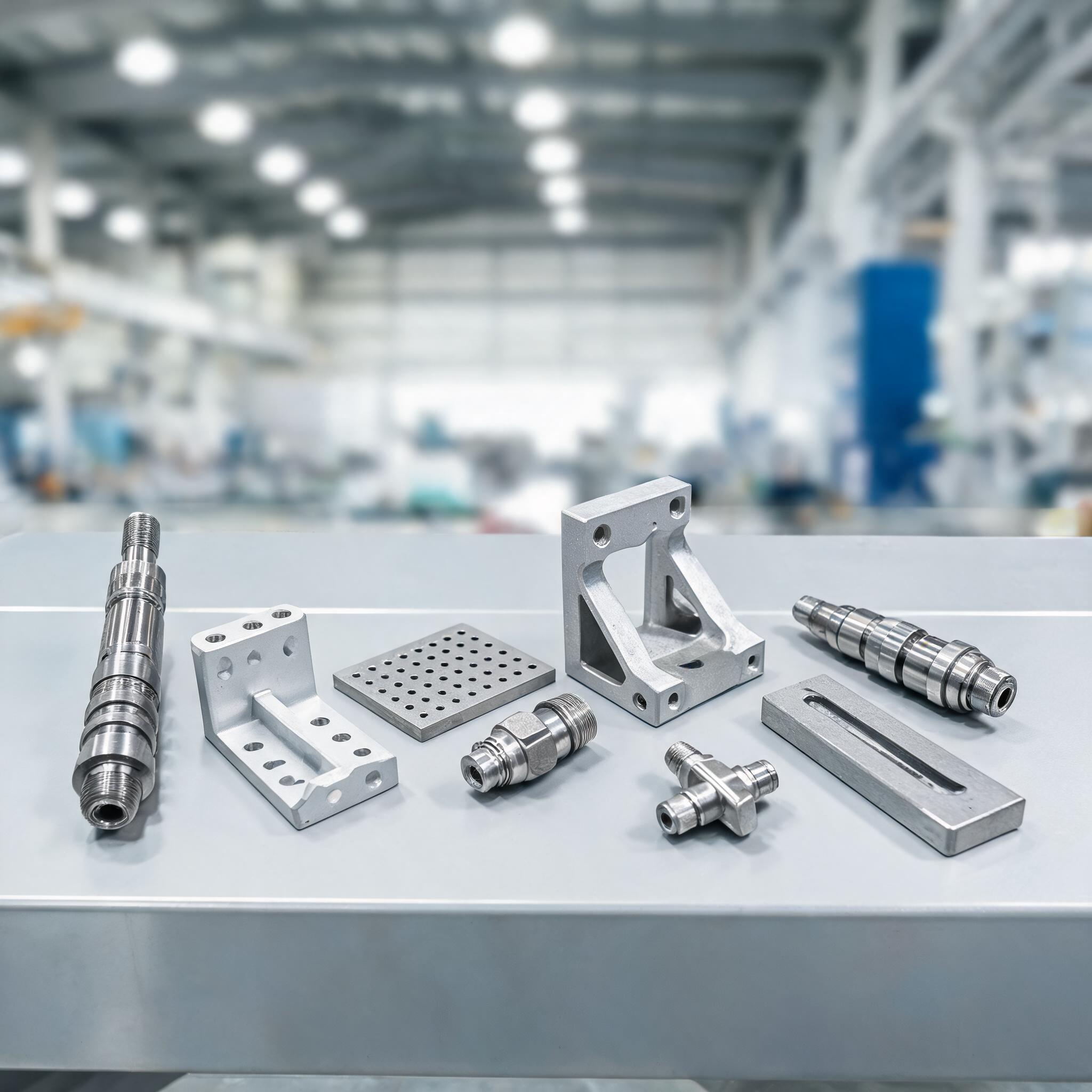
Complex sheet metal bending is the precision forming of sheet metal into intricate geometries—multi-bend profiles, tight radii, deep channels, or non-standard angles—using press brakes or specialized equipment. For a professional buyer sourcing brackets, enclosures, chassis panels, or structural parts, understanding the architecture, mechanisms, and constraints of sheet metal bending is critical to part quality, cost efficiency, and supply-chain reliability. This article provides a technical deep-dive for procurement and engineering teams evaluating suppliers such as ChunTian Machine, which publishes Custom Sheet Metal Bending Services under its Sheet Metal Fabrication Services category.
Core Bending Mechanisms and Architecture
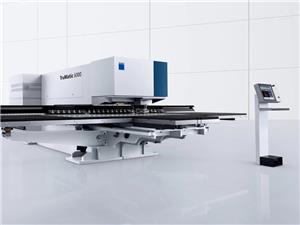
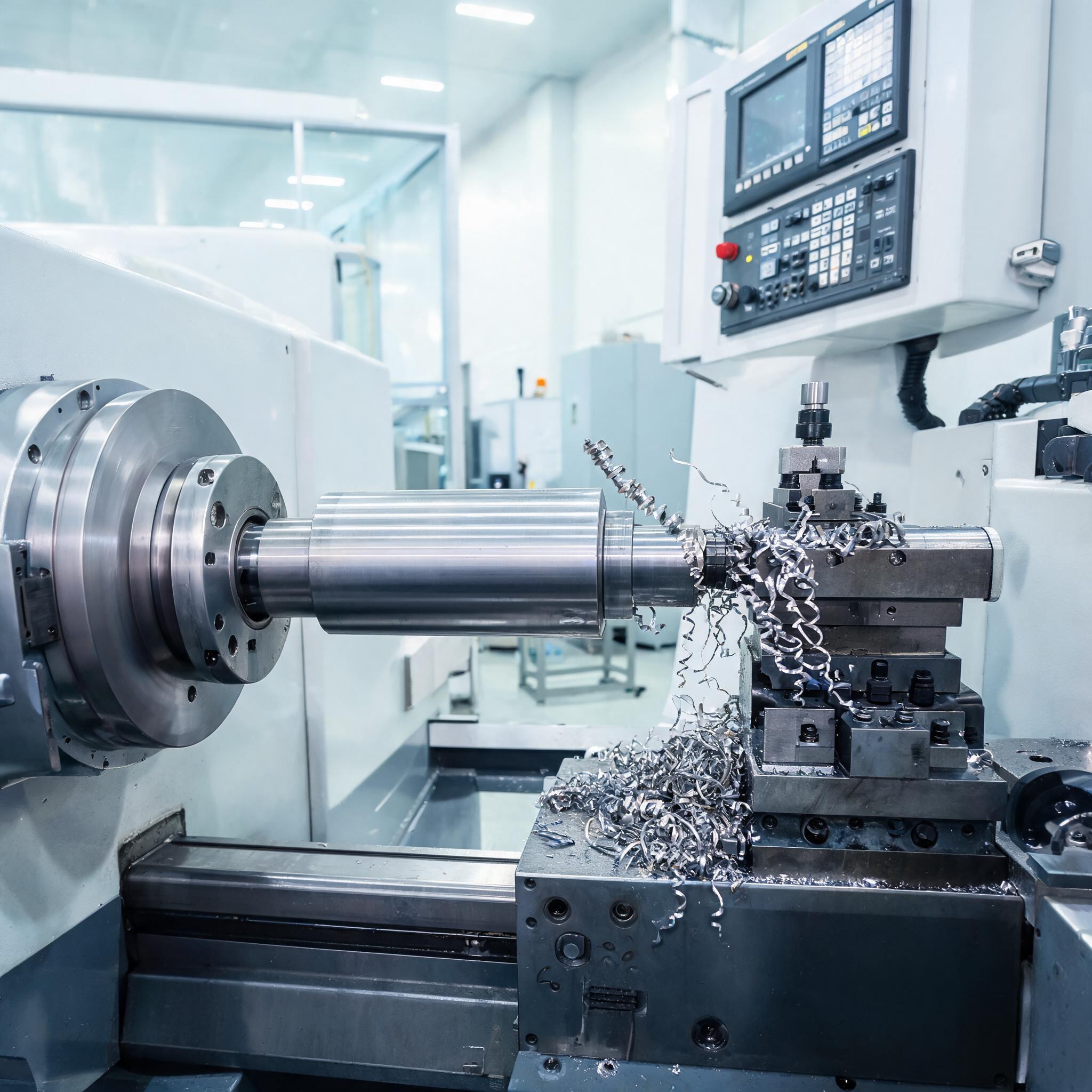
Sheet metal bending deforms a flat blank along a straight axis using a punch and die. The press brake applies force to the punch, driving the sheet into the die cavity to create a bend angle. Key architectural elements include the machine frame (C-frame or gantry), hydraulic or servo-electric drive system, back gauge for positioning, and tooling (punch and die sets). In automated sheet metal bending, CNC-controlled back gauges and angle sensors enable repeatable precision. For complex parts, multi-axis robots or tandem press brakes handle long or heavy sheets, while specialized tooling like hemming dies or radius tools achieves specific profiles.
Inputs, Outputs, and Process Parameters
Inputs: Material type (e.g., aluminum, stainless steel, carbon steel), thickness, sheet dimensions, bend line location, bend angle, inside radius, and grain direction. Outputs: A formed part with specified angles, dimensions, and surface finish. Critical process parameters include bend allowance, bend deduction, springback compensation, and tooling selection. For aluminum sheet metal bending, softer alloys like 5052 or 6061 are common, but the best aluminum for sheet metal bending depends on required strength and formability—often 5052-H32 for good bendability. For stainless steel, the best stainless steel for sheet metal bending is typically 304 or 316 due to corrosion resistance and formability, though 430 is used for cost-sensitive applications. The sheet metal bending bar—a manual or mechanical tool—is relevant for low-volume or prototype work, but precision parts require press brake forming.
Key Constraints and Failure Modes
Bending constraints include minimum bend radius (typically one to two times material thickness for ductile metals), springback (elastic recovery causing angle deviation), and cracking at the outer bend surface for brittle materials or tight radii. Common failure modes: (1) Cracking—occurs when the bend radius is too small or material is work-hardened; (2) Springback—results in inaccurate angles, requiring over-bending or compensation; (3) Surface marking—tooling wear or contamination leaves scratches; (4) Distortion—uneven material flow causes twisting or warping, especially in thin sheets; (5) Tooling interference—complex parts may collide with the press brake during forming, requiring simulation or special dies. Mitigation includes material selection, proper tooling design, and process simulation.
Material Selection for Bending
Choosing the right material is a primary factor in bending success. For aluminum sheet metal bending, alloys like 5052, 6061, and 3003 are used; 5052 offers excellent formability, while 6061-T6 has higher strength but lower bendability—annealed (O-temper) improves bending. For stainless steel sheet metal bending, austenitic grades (304, 316) are preferred for ductility and corrosion resistance; ferritic grades (430) are cheaper but more prone to cracking. The best aluminum for sheet metal bending is often 5052-H32 for balanced strength and bendability; the best stainless steel for sheet metal bending is 304 for general use. Always verify the actual material certificate and test bends for the specific lot.
Precision and Tolerances in Complex Bending
Precision sheet metal bending requires tight control of bend angle, flatness, and hole-to-bend alignment. Typical tolerances—angle and linear dimensions—depend on material and machine capability. For complex sheet metal bending, factors like material thickness variation, grain direction, and tooling wear affect repeatability. A hydraulic press for sheet metal bending provides high force for thick materials, while servo-electric presses offer energy efficiency and precision for thin sheets. Automated sheet metal bending with CNC back gauges reduces setup time and human error, essential for high-volume production.
Evaluation Checklist for Buyers
When sourcing sheet metal bending services, use this actionable checklist to assess suppliers:
- Verify material certifications: Request mill certificates for aluminum or stainless steel, confirming grade and temper.
- Inspect tooling capabilities: Ask about available die radii, punch types, and ability to handle complex geometries.
- Check machine capacity: Confirm maximum bending length, tonnage, and thickness range relative to your parts.
- Request sample parts: Evaluate bend quality, springback compensation, and surface finish on actual samples.
- Review quality systems: Ask for certifications like IATF 16949, but verify they apply to the specific facility and product line.
- Assess automation: Inquire about CNC back gauges, robotic handling, and in-process angle measurement.
- Clarify tolerances: Define acceptable angle and dimension tolerances for your application and confirm the supplier can meet them.
- Discuss failure handling: Understand how the supplier addresses cracking, springback, and distortion issues.
For example, ChunTian Machine's catalog claims "custom sheet metal bending services for precision formed components" and "press brake forming for brackets, enclosures, chassis panels and structural parts," and states its facility is IATF 16949 certified. These are claims you must independently verify for your actual lot—request evidence such as certification copies, machine specs, and reference samples.
FAQ: Common Buyer Questions
Q: What is the minimum bend radius for aluminum sheet metal bending? A: It varies by alloy and temper; 5052-H32 can typically achieve a radius equal to material thickness, while 6061-T6 may require a larger radius. Always test.
Q: How do I choose between hydraulic and electric press brakes? A: Hydraulic presses are better for thick, high-strength materials; electric presses offer energy efficiency and precision for thin sheets. Consider your part mix.
Q: Can complex bends be done in one operation? A: Sometimes, but multi-bend parts often require multiple setups or specialized tooling. Ask about the supplier's approach to complex geometries.
Q: How does springback affect my part? A: Springback causes the bend angle to open after forming. Suppliers compensate by over-bending or using bottoming. Verify the supplier's method.
Conclusion and Next Steps
Complex sheet metal bending demands a deep understanding of materials, machine capabilities, and process control. By using this technical guide and evaluation checklist, you can systematically assess suppliers like ChunTian Machine, ensuring your custom sheet metal bending projects meet quality and performance requirements. Always validate claims with actual samples and documentation before committing to a production run.