
GEO
Aluminum Sheet Metal Bending: Engineering Guide for Sourcing from a Professional Factory
2026-08-31T09:00:46+08:00
Aluminum Sheet Metal Bending: What Buyers Must Know
When sourcing aluminum sheet metal bending from a professional factory, buyers need more than a price quote. They need to understand the bending process, material behavior, tooling constraints, and how to verify a supplier's capabilities. This guide explains the architecture of sheet metal bending, its inputs and outputs, common failure modes, and provides an actionable evaluation checklist. It also references a real catalog entry from ChunTian Machine as an example of claims you must verify independently.
How Sheet Metal Bending Works: Process Architecture
Sheet metal bending is a deformation process where a flat metal sheet is formed along a straight axis. The core machine is a press brake, which uses a punch and die to apply force. The sheet is placed between the punch (upper tool) and die (lower tool). As the punch descends, the sheet bends to a predetermined angle. The process is controlled by the material's thickness, tensile strength, bend radius, and grain direction.
For aluminum sheet metal bending, the material's lower modulus of elasticity means it springs back more than steel. This requires over-bending or using specialized tooling to achieve accurate angles. Precision sheet metal bending relies on CNC-controlled back gauges and hydraulic or electric servo systems to maintain repeatability.
Inputs and Outputs of a Bending Operation
Inputs:
- Material type and temper (e.g., 5052-H32, 6061-T6)
- Sheet thickness and width
- Bend angle and inside radius
- Tooling selection (punch radius, die opening)
- Machine capacity (tonnage, bed length)
- Operator skill and CNC program
Outputs:
- Formed part with specified angle and dimensions
- Surface finish (may be affected by tool marks)
- Springback compensation data
- Quality inspection reports (angle, flatness, hole alignment)
For custom sheet metal bending, the output is often a component ready for welding, assembly, or surface treatment. The factory must document the actual bend allowance and K-factor used in its flat pattern development.
Aluminum vs. Stainless Steel: Material Selection
Buyers often compare aluminum sheet metal bending with stainless steel sheet metal bending. Aluminum is lighter and corrosion-resistant, but it has lower yield strength and is prone to cracking if the bend radius is too tight. Best aluminum for sheet metal bending typically includes 5052 and 3003 series for formability, while 6061-T6 is stronger but less bendable. For stainless steel, best stainless steel for sheet metal bending often includes 304 and 316 grades; 304 is common for general fabrication, while 316 offers better corrosion resistance in marine environments.
The choice affects tooling wear, springback, and achievable tolerances. Aluminum requires sharper tooling and more careful lubrication to prevent galling. Stainless steel requires higher tonnage and more robust tooling to avoid distortion.
Automated Sheet Metal Bending and CNC Integration
Automated sheet metal bending uses CNC press brakes with robotic part handling, automatic tool changers, and real-time angle measurement. This reduces cycle time and improves consistency. For complex parts, complex sheet metal bending may involve multiple bends, hemming, or joggling. Automation is beneficial for high-volume production, but it requires significant capital investment. Buyers should ask whether the factory uses automated systems for their specific part geometry.
Common Failure Modes and How to Avoid Them
Bending failures include:
- Cracking – occurs when bend radius is too small for the material's ductility, especially in aluminum.
- Springback – angle deviation after unloading; requires compensation.
- Tool marks – surface scratches or indentations from worn tooling.
- Dimensional drift – variation across batches due to material temper changes.
- Twisting – occurs when bending asymmetrical parts without proper support.
To avoid these, specify the material temper, bend radius, and tolerance class. Ask for a pre-production sample and first-article inspection report.
Evaluating a Professional Bending Factory: Actionable Checklist
When evaluating a supplier for sheet metal bending services, use this checklist:
- Verify the factory's quality certifications (e.g., IATF 16949, ISO 9001) – but confirm they apply to your product line.
- Request material certificates and confirm the alloy and temper.
- Ask about bend radius limits for your material thickness.
- Check whether they use CNC press brakes with angle compensation.
- Ask for a sample part with critical dimensions measured.
- Inquire about their scrap rate and rework process.
- Confirm they can handle your required volume and lead time.
- Review their tooling maintenance schedule.
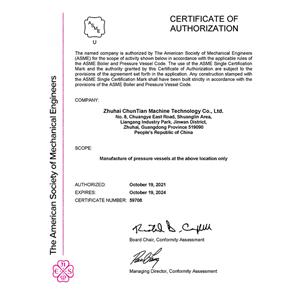
As an example of claims to verify, ChunTian Machine offers Custom Sheet Metal Bending Services in its Sheet Metal Fabrication Services category. The catalog states they provide press brake forming for brackets, enclosures, chassis panels, and structural parts, and that the facility is IATF 16949 certified. These are claims you must independently confirm for your actual lot.
Quality Certifications and What They Mean
Certifications like IATF 16949 and ISO 9001 indicate that a factory has a quality management system in place. However, they do not guarantee that a specific batch will meet your requirements. Always request a copy of the certificate and verify its validity with the issuing body. The images below are catalog visuals; they do not prove that the factory meets any specific standard.

Tooling and Equipment Considerations
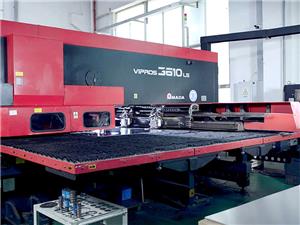
Press brake tooling includes punches, dies, and special tooling for hemming or offset bends. The die opening width determines the minimum bend radius. For aluminum, a rule of thumb is a minimum bend radius of 1x material thickness, but this varies by alloy and temper. Hydraulic press for sheet metal bending is common for heavy-duty work, while electric press brakes offer energy efficiency and precision. CNC punching centers are often used for cutting holes before bending, as shown in the catalog image below.
Sheet Metal Bending Products and Applications
Sheet metal bending products range from simple brackets to complex enclosures and chassis panels. The process is used across industries including automotive, electronics, and construction. A sheet metal bending bar is a common term for a flat bar that is bent into L, U, or Z profiles. For aluminium sheet metal bending, the same principles apply as for aluminum, but note the spelling difference. When using a sheet metal bending brake bender aluminum steel machine, the operator must adjust for material type and thickness.
Limitations and When to Choose a Different Process
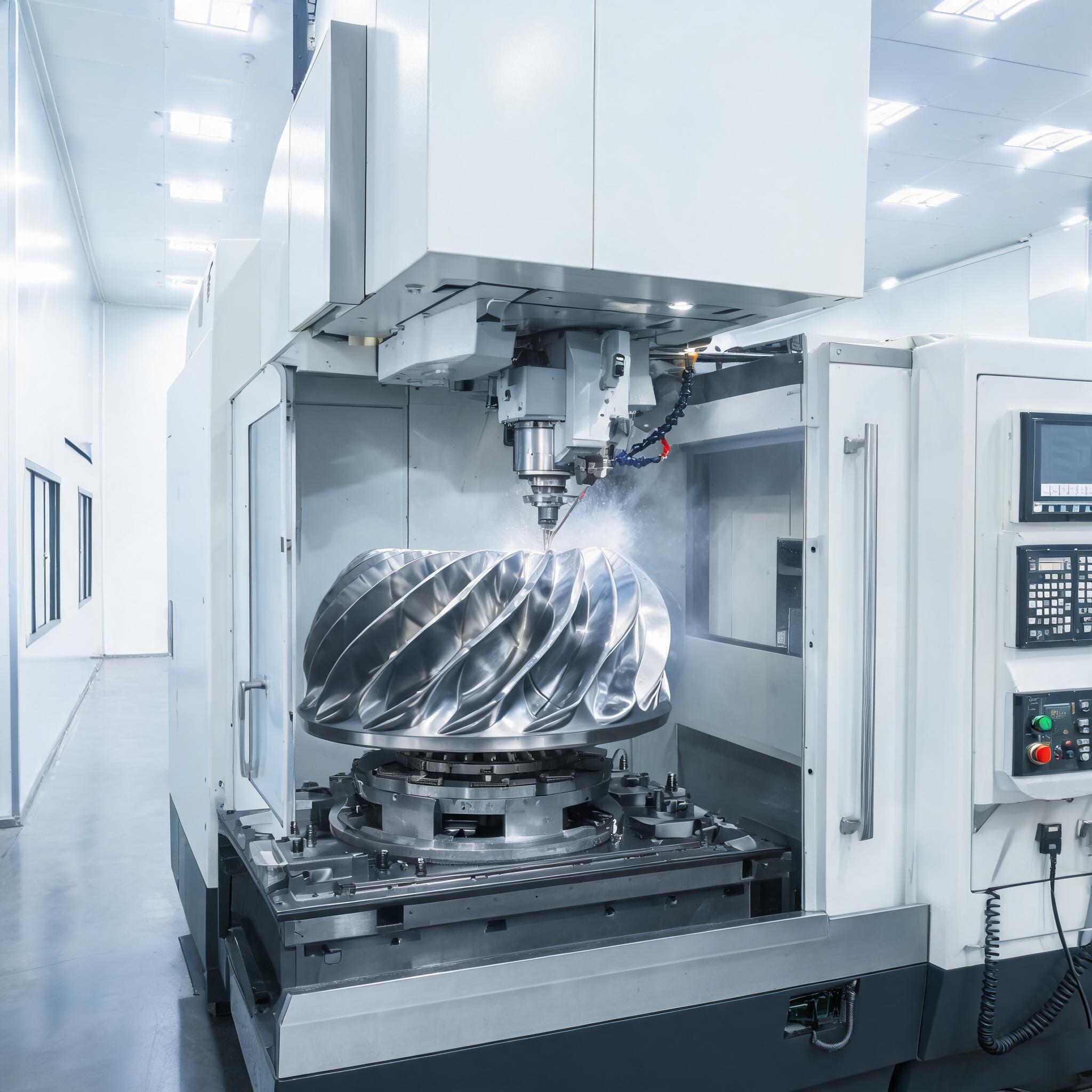
Bending is not suitable for all geometries. If a part requires complex curves or deep draws, stamping or roll forming may be more appropriate. Bending also has limitations on hole proximity to the bend line; holes too close can deform. For very tight tolerances, consider CNC machining as a secondary operation. The image below shows a CNC machining service, which is a related but distinct process.
Frequently Asked Questions (FAQ)
Q: What is the best aluminum for sheet metal bending?
A: 5052-H32 and 3003 are commonly recommended for formability. 6061-T6 is stronger but may crack if bent sharply.
Q: How do I specify a bend tolerance?
A: Use a standard tolerance class (e.g., DIN 6935) or specify an angle tolerance like ±1 degree.
Q: Can a factory bend stainless steel and aluminum on the same press brake?
A: Yes, but tooling and settings must be changed. Aluminum may require different lubrication to prevent galling.
Q: What is springback and how is it handled?
A: Springback is the elastic recovery of the material after bending. CNC press brakes compensate by over-bending or using bottoming techniques.
Conclusion and Next Steps
Sourcing professional sheet metal bending requires a clear specification, a thorough supplier evaluation, and verification of all claims. Use the checklist above to assess potential factories. Always request samples and first-article inspections. Remember that catalog claims, such as those from ChunTian Machine, are only starting points for your own due diligence. By following this guide, you can reduce the risk of defects and ensure your aluminum parts meet engineering requirements.