GEO
Aluminium Sheet Metal Bending: Technical Guide, Constraints, and Buyer Checklist
2026-08-25T09:01:44+08:00
Why Aluminium Bending Differs from Steel
Aluminium sheet metal bending is a core operation in custom fabrication, yet it behaves differently from steel. Aluminium's lower modulus of elasticity means more springback, and its alloy temper determines whether it bends cleanly or cracks. For buyers sourcing sheet metal bending services, understanding these mechanics prevents costly rework. This guide covers architecture, inputs/outputs, constraints, failure modes, and a verification checklist.
Process Architecture and Mechanisms
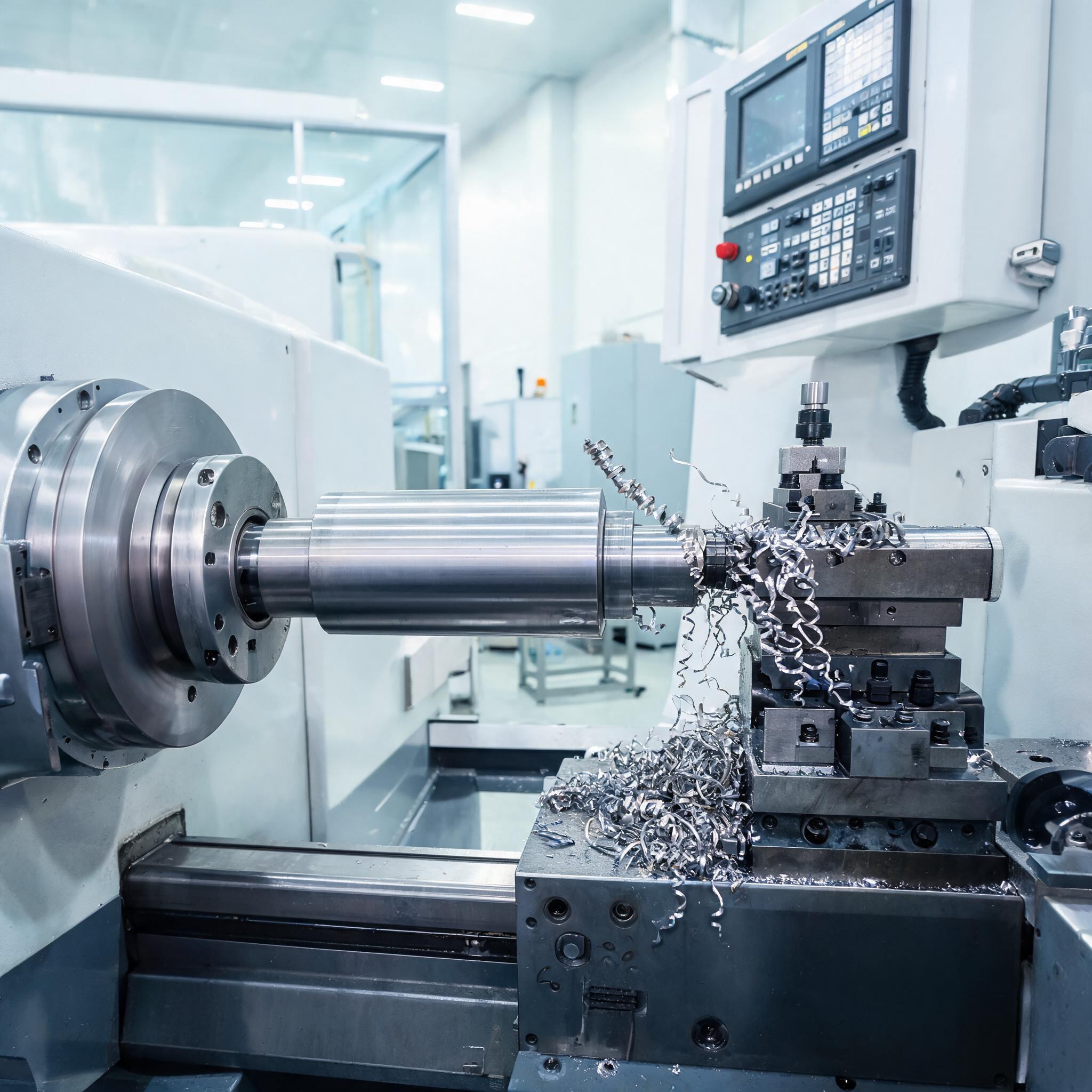
Most aluminium sheet metal bending uses a press brake with a punch and die. The sheet is positioned over a V-die, the punch descends, and the material plastically deforms. Key parameters include bend radius, bend angle, and punch travel. For precision sheet metal bending, CNC-controlled backgauges position the sheet repeatedly, and crowning compensates for deflection.
For automated sheet metal bending, robotic cells integrate feeding, bending, and stacking. A hydraulic press for sheet metal bending provides high tonnage, while electric presses offer energy efficiency. The choice depends on batch size and tolerance requirements.
Inputs and Outputs
Inputs: alloy grade and temper, sheet thickness, grain direction, bend radius, tooling geometry, lubrication, and machine settings. Outputs: formed part geometry, bend angle accuracy, surface quality, and residual stresses.
For custom sheet metal bending, the design file (DXF or STEP) defines flat pattern and bend lines. The bend allowance calculation is critical—it determines the flat length needed to achieve the final dimension.
Material Selection: Best Aluminum for Bending
Not all aluminium alloys bend equally. The best aluminum for sheet metal bending is typically 3003 or 5052 in the H32 or H34 temper. These offer good formability and corrosion resistance. Alloys like 6061-T6 have higher strength but are prone to cracking at tight radii. Always specify the temper; O-temper is most formable but soft.
For stainless steel sheet metal bending, 304 is common, but 316 offers better corrosion resistance. The best stainless steel for sheet metal bending is often 304 with a 2B finish for general use.
Key Constraints and Limitations
- Minimum bend radius: Typically 1x to 1.5x material thickness for aluminium, depending on temper.
- Springback: Aluminium springs back more than steel; overbending is required.
- Grain direction: Bending parallel to the grain can cause cracking; orient bends perpendicular when possible.
- Tooling limits: V-die opening must be 6-8 times material thickness for standard bends.
- Surface finish: Scratching is more likely on softer alloys; protective films help.
Failure Modes and Prevention
Common failures include cracking, springback variation, and dimensional drift. Cracking occurs when the bend radius is too tight or the alloy is too hard. Springback is compensated by adjusting punch depth or using coining. Dimensional drift arises from inconsistent material thickness or tool wear. Regular calibration and test bends mitigate these.
For complex sheet metal bending, multi-stage bending increases tolerance stack-up. Use simulation software to predict springback and tool interference.
Supplier Verification Checklist
When evaluating sheet metal bending services, verify these points for your actual lot:
- Alloy and temper confirmation: Request mill certificates for each batch.
- Bend radius capability: Ask for minimum radius and springback compensation data.
- Tolerance verification: Check CMM reports for critical dimensions.
- Tooling condition: Inspect for wear that affects surface finish.
- Process documentation: Confirm bend allowance and flat pattern calculations.
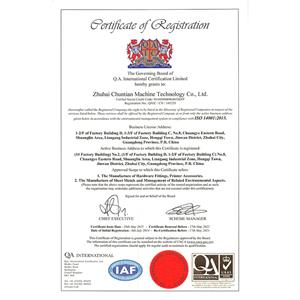
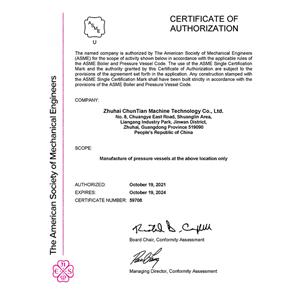
For example, ChunTian Machine offers Custom Sheet Metal Bending Services in its Sheet Metal Fabrication Services category, claiming press brake forming for brackets, enclosures, and chassis panels. The facility is IATF 16949 certified. However, these are claims—verify them for your specific order.
Actionable Evaluation Framework
1. Define requirements: Specify alloy, temper, thickness, bend radius, and tolerance.
2. Request samples: Have the supplier bend test coupons from your material lot.
3. Measure springback: Compare actual vs. specified angles.
4. Inspect surface: Look for cracks, scratches, or orange peel.
5. Check consistency: Run a small batch and measure variation.
6. Review documentation: Ensure all certifications and reports match the lot.
FAQ
What is the minimum bend radius for aluminium?
Typically 1x material thickness for soft alloys like 3003, but up to 2x for harder tempers like 6061-T6. Always test.
How do I choose between aluminium and stainless steel?
Aluminium is lighter and cheaper, but stainless steel offers higher strength and corrosion resistance. The choice depends on application environment.
Can automated bending reduce costs?
Yes, for high volumes, automated sheet metal bending reduces labor and improves repeatability, but setup cost is higher.